
Last updated November 23, 2026
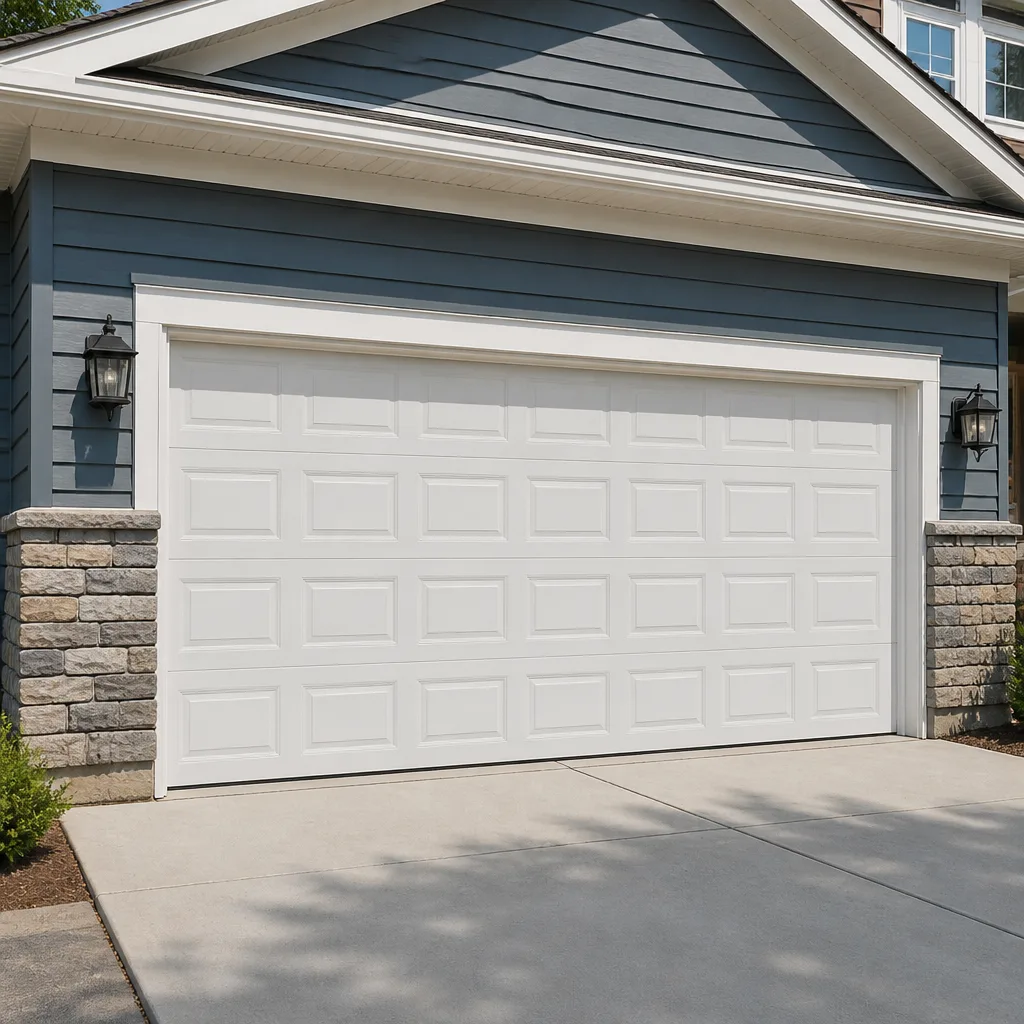 Raised-panel steel
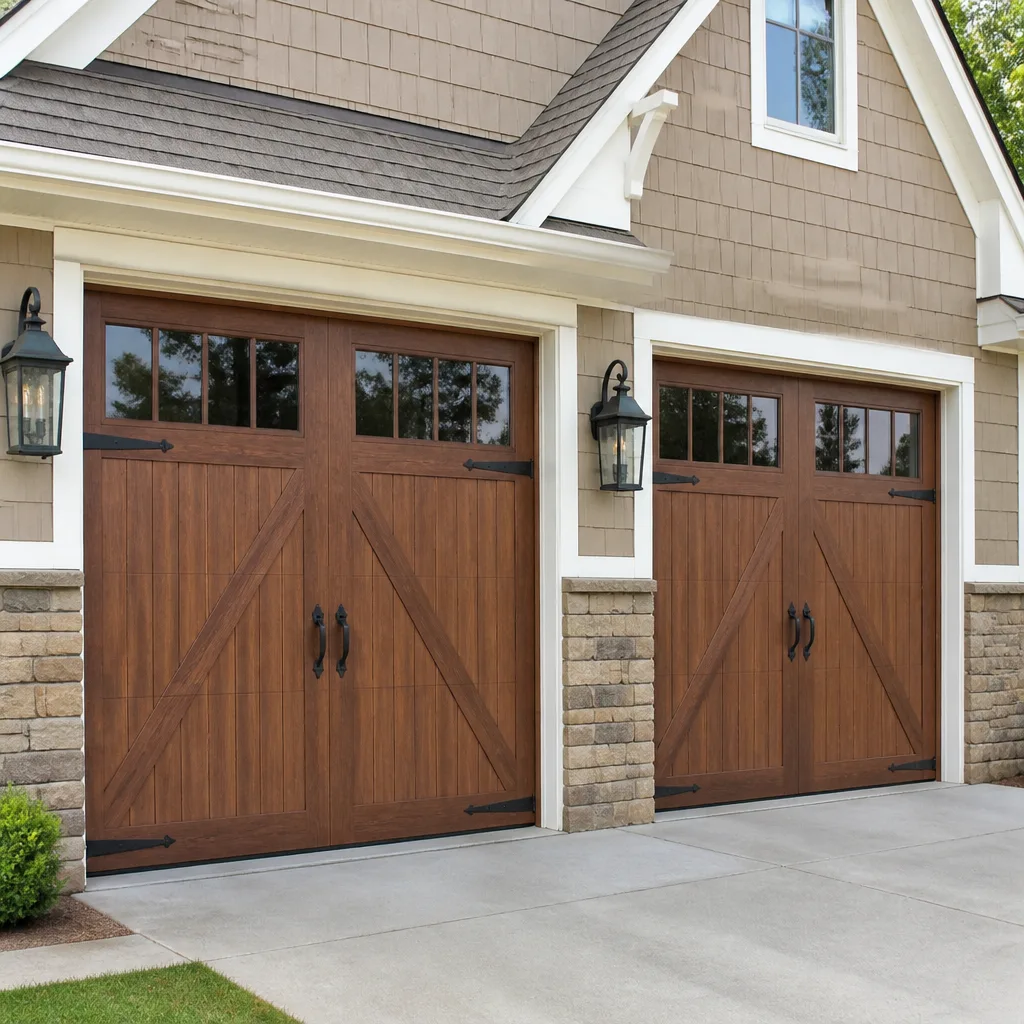 Carriage house
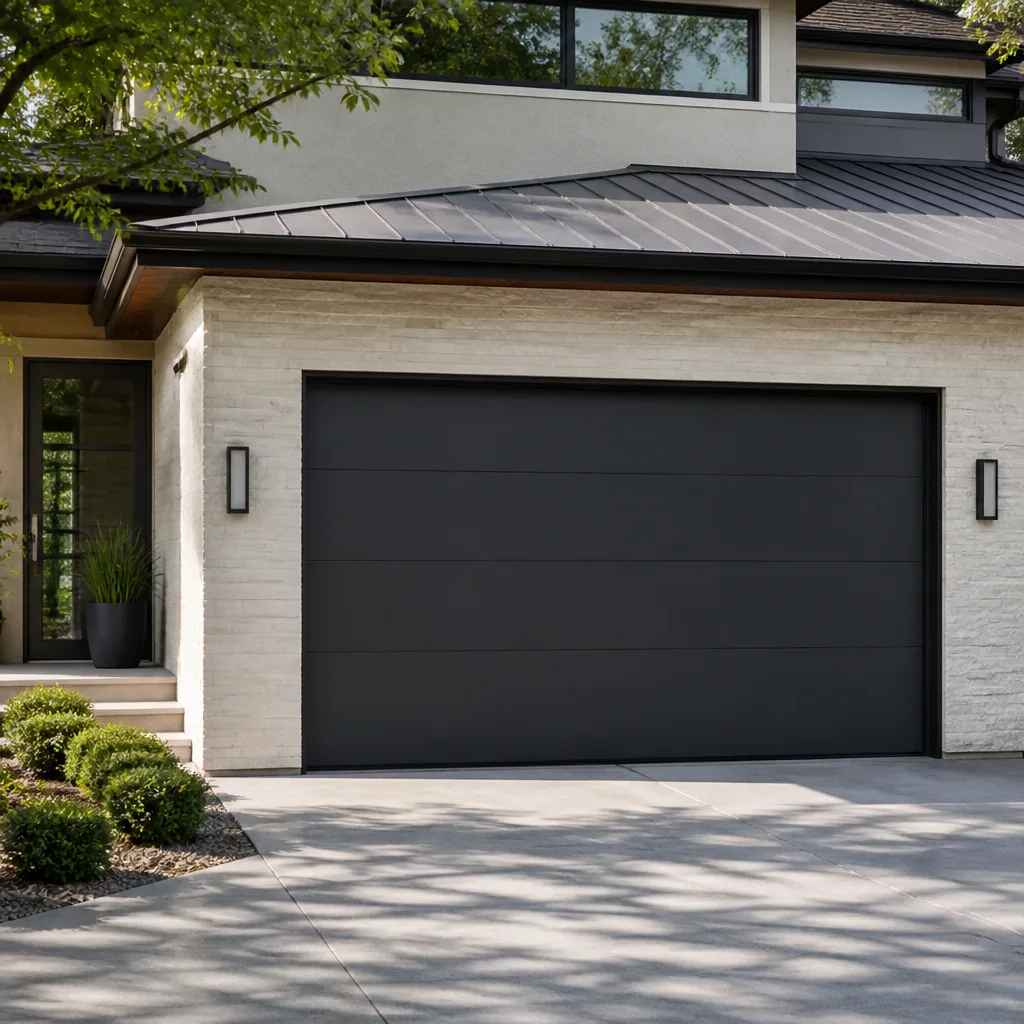 Modern flush
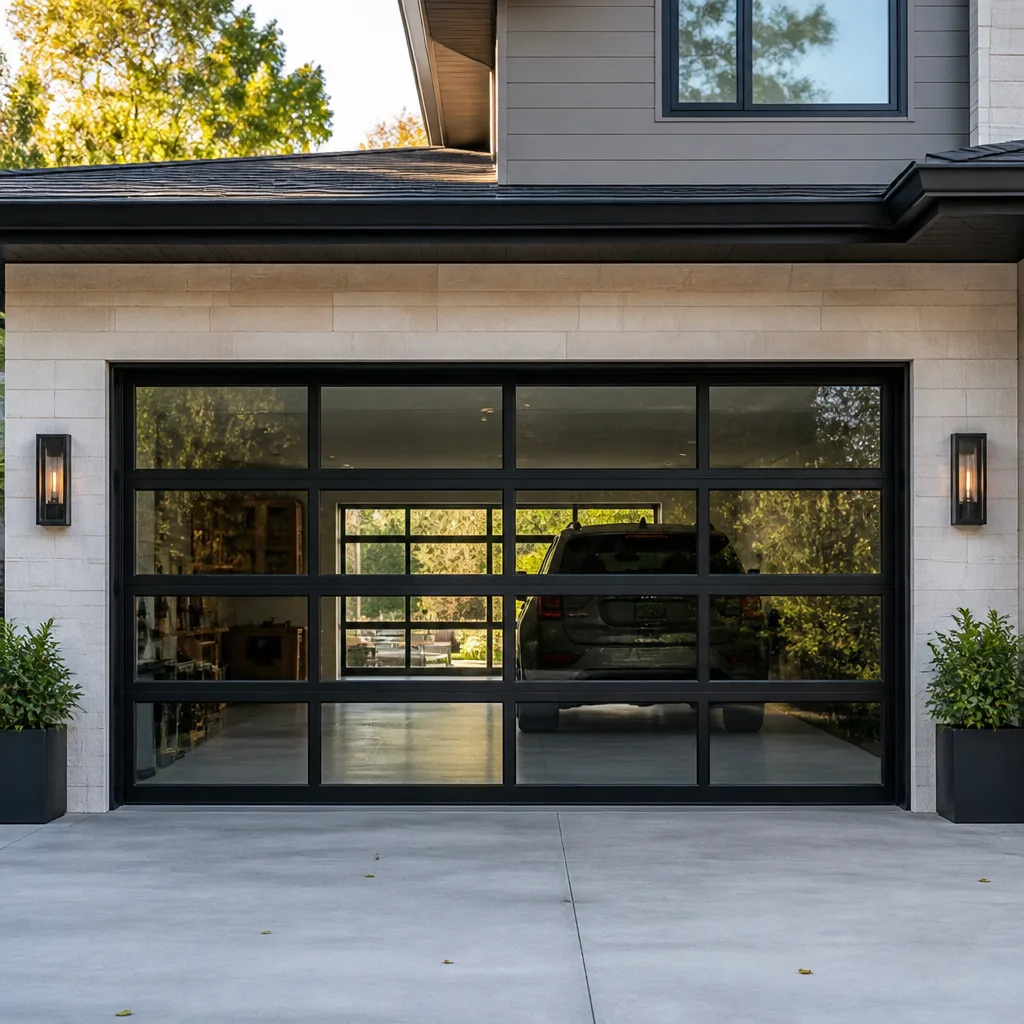 Full-view glass
 LiftMaster openers
 Chamberlain openers
Full 25-point door and opener safety check with every visit - springs, cables, rollers, tracks, and your LiftMaster or Chamberlain opener included
You get a price before we start. It does not change when the pro arrives.
Get your free estimateGarage Door Repair Maintenance Checklist for Rockville Homeowners
Most garage doors don’t fail without warning. They fail after months of ignored signals, and the final snap usually lands on the coldest week of the year. The single most common repair call we get every March in Rockville is for a spring that gave out after a cold winter, a failure a ten-minute fall inspection would have predicted. What follows isn’t a generic “inspect regularly” list copied from a manufacturer’s pamphlet. Each item here is tied to a real failure mode we see in Rockville’s freeze-thaw climate, with a clear go/no-go call: what you can handle yourself and what needs a trained technician.
Quick Answer
A good garage door maintenance checklist for Rockville homes covers four zones on a seasonal rhythm: springs and cables (visual only, never touched), rollers and hinges (lubricated with the right product), weatherseals (checked against freeze-thaw shrinkage), and the opener’s force and safety settings (tested and recalibrated as temperatures swing). Inspect twice a year, once in fall before the first hard freeze and once in spring after the last one. Anything involving torsion springs, cables, or the door’s balance under tension belongs to a licensed technician, not a weekend project.
Styles & brands we work with
- Raised-panel steel
- Carriage house
- Modern flush
- Full-view glass
- LiftMaster openers
- Chamberlain openers
Table of Contents
- Springs and Cables: The Inspection That Prevents the March Call
- Lubrication: The Right Product in the Right Places
- Rollers and Hinges: Where Doors Get Noisy
- Weatherseals and the Freeze-Thaw Cycle
- The Balance Test and Why It Matters
- Opener Force and Sensitivity Calibration
- The Rockville Seasonal Maintenance Calendar
- The Go/No-Go Decision Framework
Springs and Cables: The Inspection That Prevents the March Call
Springs carry the full weight of your door, and they take the hardest beating during Rockville’s winter. When temperatures drop into the teens and twenties, the steel in a torsion spring contracts and becomes more brittle. That’s why spring failures cluster in late winter and early spring here. A spring that’s been slowly weakening since fall is far more likely to snap on the third cold snap of February than on a mild October afternoon.
You can inspect springs visually, and you should. You cannot repair, adjust, or replace them yourself. Torsion springs store enough energy to cause serious injury, and extension springs under load are just as dangerous. Here’s what a safe visual inspection looks like:
- A visible gap in the coil. Look along the length of a torsion spring above the door. If you see a clear separation between two coils, the spring has already broken, even if the door hasn’t moved yet.
- Stretching or sagging. Extension springs run along the horizontal tracks. If one looks longer than the other, or the coils appear stretched, the spring is losing tension.
- Rust at the coils. Rockville’s humid summers and wet winters accelerate corrosion. Surface rust is normal; flaking rust and pitting mean the spring is weakening.
- Frayed or kinked cables. Cables should run straight and tight. A birdcage kink or a frayed strand means it’s time for a professional look.
If a spring has already broken, the door may still open if the opener can lift it, but the door is now being held by the opener alone, which is not what it’s designed for. Stop using the door and call for garage door spring repair.
Lubrication: The Right Product in the Right Places
Generic checklists say “lubricate the door” and leave it there. That’s the wrong advice for Rockville’s temperature swings, which can run from single digits in January to the upper nineties in July. The wrong lubricant turns to gum in the cold or drips away in the heat, and either way you end up with a door that shudders and groans.
Use a white lithium grease or a silicone-based spray for metal-on-metal contact points. Avoid WD-40 as a standalone lubricant (it’s a solvent, not a long-term lube), and avoid heavy grease on rollers, which collects grit and accelerates wear.
Where to apply it:
- The torsion spring coils. A light spray along the coil is fine. Don’t soak them.
- Hinges. One short burst at each hinge pivot point, then work the door up and down a few times.
- Rollers (metal ones only). Nylon rollers don’t need lube. Metal rollers need a light coat at the bearing.
- The opener rail and chain or belt. Follow your manufacturer’s spec. LiftMaster and Chamberlain systems typically call for a light chain lube a couple times a year; Craftsman belt-drive units need none.
- Track interior surfaces. A very light wipe, not a spray. Excess lubricant in the track attracts dust.
Do this in October and again in April. In Rockville, that lines up with the temperature extremes on either side of the calendar and keeps everything moving when the door is used most.
Rollers and Hinges: Where Doors Get Noisy
That grinding, rattling sound isn’t just annoying. It’s telling you which part is wearing out. A grinding noise usually points to roller bearings or a track that’s out of alignment. A popping or snapping noise during travel often points to a hinge that’s loosened from the panel. Squealing is usually metal-on-metal friction.
In our experience, the most commonly overlooked wear item on a Rockville door is a ball-bearing roller that has thrown its bearing but still spins. It sounds fine until the roller seizes on a cold morning and the door binds halfway up. Nylon rollers tend to wear quietly and last longer; cheaper plastic rollers crack and should be replaced with ball-bearing nylon when they do.
Hinges loosen over time from the repeated push-pull of daily use, especially on doors facing west Rockville’s afternoon sun, which expands the steel and can loosen fasteners a little each cycle. Check each hinge with a screwdriver and snug any that move. If the screws won’t bite because the holes have widened, that’s the point to call a technician – a hinge that pulls out mid-cycle can bind the door and damage the opener.
Weatherseals and the Freeze-Thaw Cycle
Rockville sits in a climate where the ground freezes and thaws repeatedly through winter. That cycle does a specific kind of damage to weatherseals that a warm-climate checklist won’t catch. The bottom seal of a garage door is the barrier between an attached garage and the outside air, and when it fails, the garage itself becomes a cold zone. In many Rockville homes, that pushes the temperature in the room above the garage down badly and can freeze a pipe in a garage-mounted laundry alcove or utility corner.
Inspect the bottom seal like this:
- Close the door and look for daylight. Any continuous strip of light under the door means the seal isn’t making contact.
- Check for hardening. Press the seal with your thumb. It should feel pliable, not brittle. Cold winters harden vinyl seals faster than in milder climates, and a hard seal is a seal that’s stopped sealing.
- Look for tears and gaps at the corners. The corners are where the seal pulls away first.
- Inspect the perimeter seals on the sides and top. Side seals that have shrunk away from the frame let cold air and moisture in.
A bottom seal that has hardened and flattened can be replaced by a homeowner with the right kit, but the job is easy to get wrong. If you’re not confident with the track and retainer, a technician can do it in one visit. Ask about it during the same call as any other service so it’s covered in one estimate.
The Balance Test and Why It Matters
The balance test tells you whether your springs are still doing their job. An unbalanced door forces the opener to work harder, and that’s the most common reason openers fail early. It’s a one-minute test, it’s safe, and you should do it every couple of months.
- Close the door, then disconnect the opener using the manual release cord (pull it toward the door).
- Lift the door by hand to about waist height.
- Let go. The door should stay there, held by the springs, with maybe a slight drift.
- Lift it to chest height and let go. Same result.
If the door sinks when you let go, the springs have lost tension. If it rises, the springs are overtensioned. If it slams down, stop by hand and don’t use the door until a technician has looked at it. Never adjust spring tension yourself; that’s a tension adjustment on a loaded spring, which is exactly the job that causes serious injuries. If the balance test fails, it’s a straight call for professional spring work.
Opener Force and Sensitivity Calibration
Openers drift out of calibration as temperatures swing. A door that’s well-tuned in July can push harder in January because the steel has contracted, and the safety reverse can start triggering for no obvious reason. That’s usually why homeowners in Rockville face a “door reverses and won’t close” problem every winter. It’s not usually broken; it’s out of adjustment.
The safety reverse test comes first, every time:
- Place a roll of paper towels or a piece of wood on the floor under the door.
- Close the door. It should reverse on contact.
- Do the same test with your hand on the door’s edge as it comes down. It should stop and reverse.
If the door doesn’t reverse, stop using it and call for garage door opener repair immediately.
If the door reverses after touching the floor but before it makes contact, the travel limits are set too low. If it grinds the door into the floor, the limits are set too high. Most modern LiftMaster and Chamberlain units have limit and force dials inside the motor housing, and Genie and Craftsman systems use similar dials or a control panel. The adjustment is small; turning each dial a quarter turn at a time and re-testing is the right method. If you can’t find the dials on your unit, leave it. A technician can set them in minutes and confirm the safety reverse at the same time.
The Rockville Seasonal Maintenance Calendar
The right time to do each item matters as much as the item itself. Rockville’s freeze-thaw cycle creates two important pressure points: before the first hard freeze (typically late October or early November) and after the last one (March into April). Everything else fits around those.
- Early fall (September-October): Full visual inspection, lubrication, balance test, weatherseal check. Get ahead of the first freeze.
- Late fall (November): Confirm weatherseal contact. Re-check hinges after a few cold cycles.
- Winter (December-February): Monthly opener safety-reverse test. Listen for new noises. Don’t wait if something changes.
- Early spring (March-April): Full inspection again. The cold season is when springs snap, so this inspection is the one that catches the near-misses. Re-lubricate, re-check the balance, confirm the seals survived the thaw.
- Summer (May-August): Light check. Watch for heat-related binding and opener drift.
If you’re catching up after a busy season, one thorough inspection and lubrication pass covers a lot of ground. If your door has been neglected for years, or if it’s a heavier wood-panel or insulated door made by Clopay or Amarr, consider a professional tune-up to reset the baseline.
The Go/No-Go Decision Framework
Here’s the rule for every item above: if the fix requires you to be in the path of a loaded spring or a stretched cable, it’s a no-go. Everything else you can weigh on how confident you are with tools.
Safe for most homeowners:
- Lubricating hinges, rollers, and the opener rail
- Snugging loose hinge screws
- Running the balance test and the safety-reverse test
- Visual inspection of springs and cables
- Cleaning the tracks with a dry cloth
Borderline:
- Replacing a bottom weatherseal
- Adjusting opener travel and force limits
- Replacing a burned-out opener light or battery
Professional only:
- Any spring replacement or tension adjustment
- Cable replacement
- Track realignment when the door is out of square
- Panel replacement after impact
- Anything where the door won’t balance on its own
If you’re on the fence, the call costs nothing to make. Our technicians have up to 12 years of experience, and we work on the equipment in Rockville homes daily, including Clopay and Wayne Dalton doors and LiftMaster, Genie, and Craftsman openers.
Common Mistakes to Avoid
- Lubricating the springs and calling it done. The springs get attention, but the hinges, rollers, and opener rail are where friction actually builds up. A door can have freshly oiled springs and still grind because the rollers are dry.
- Using WD-40 as a lubricant. It’s a solvent. It’ll quiet the door for a week and then leave you with less lubrication than you started with. Use white lithium grease or a silicone spray.
- Skipping the fall inspection because the door “seems fine.” A weakening spring gives almost no audible warning until it breaks. The fall inspection is what catches the spring that’s about to fail in February.
- Adjusting spring tension to fix a door that won’t stay up. The door that won’t stay up is the door with a failing spring. Adjusting tension yourself puts you in the danger zone for the exact injury that spring work is designed to avoid.
- Ignoring a door that reverses on its own in winter. It’s usually an opener calibration drift, not a broken opener. Adjusting the wrong dial can make the safety reverse stop working entirely, so test it after every change.
- Assuming rust on the weatherseal is cosmetic. Rust on the track is cosmetic. Rust on the spring coils and cables is a signal that the metal is thinning and the parts are nearing the end of their life.
- Putting off a professional inspection for a door that’s been hit or is visibly out of square. A door that’s off its track can fail suddenly and drop. Track alignment is not a homeowner job.
See the difference
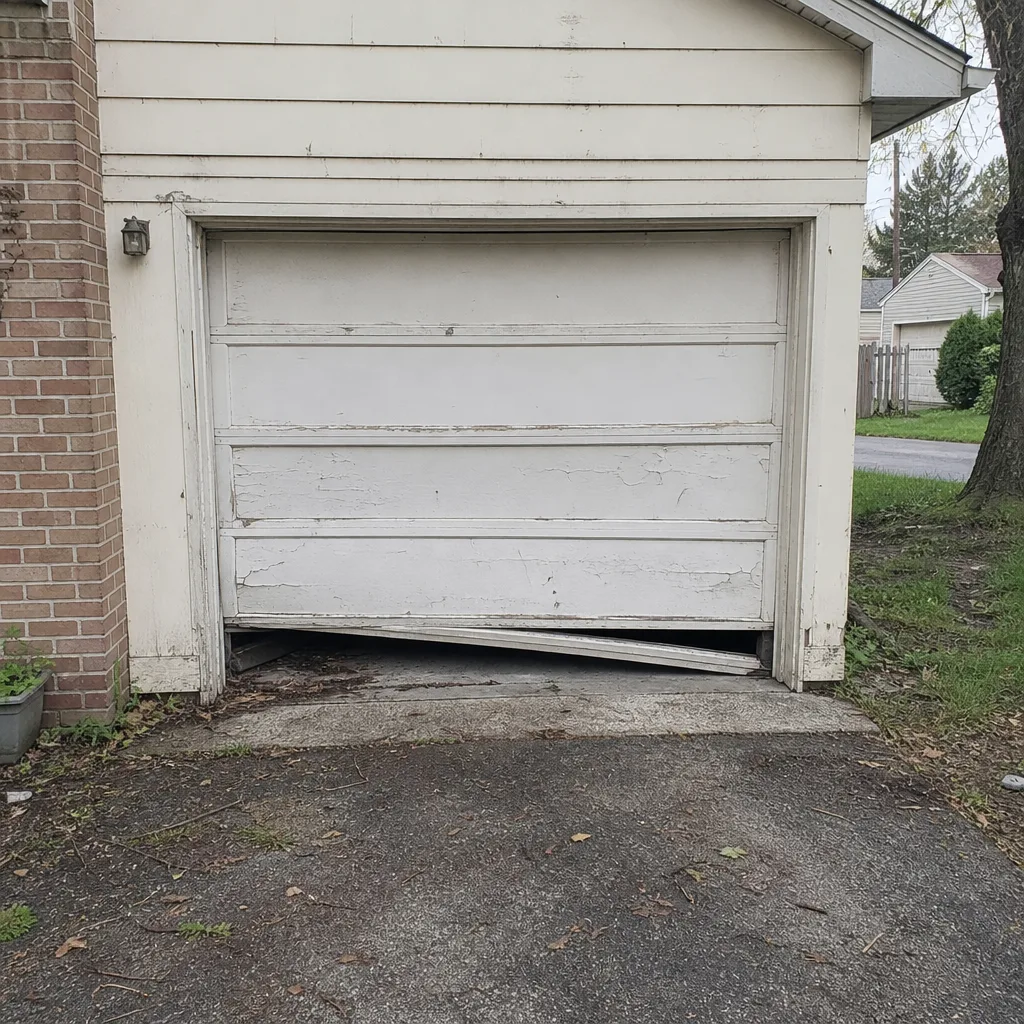 Before
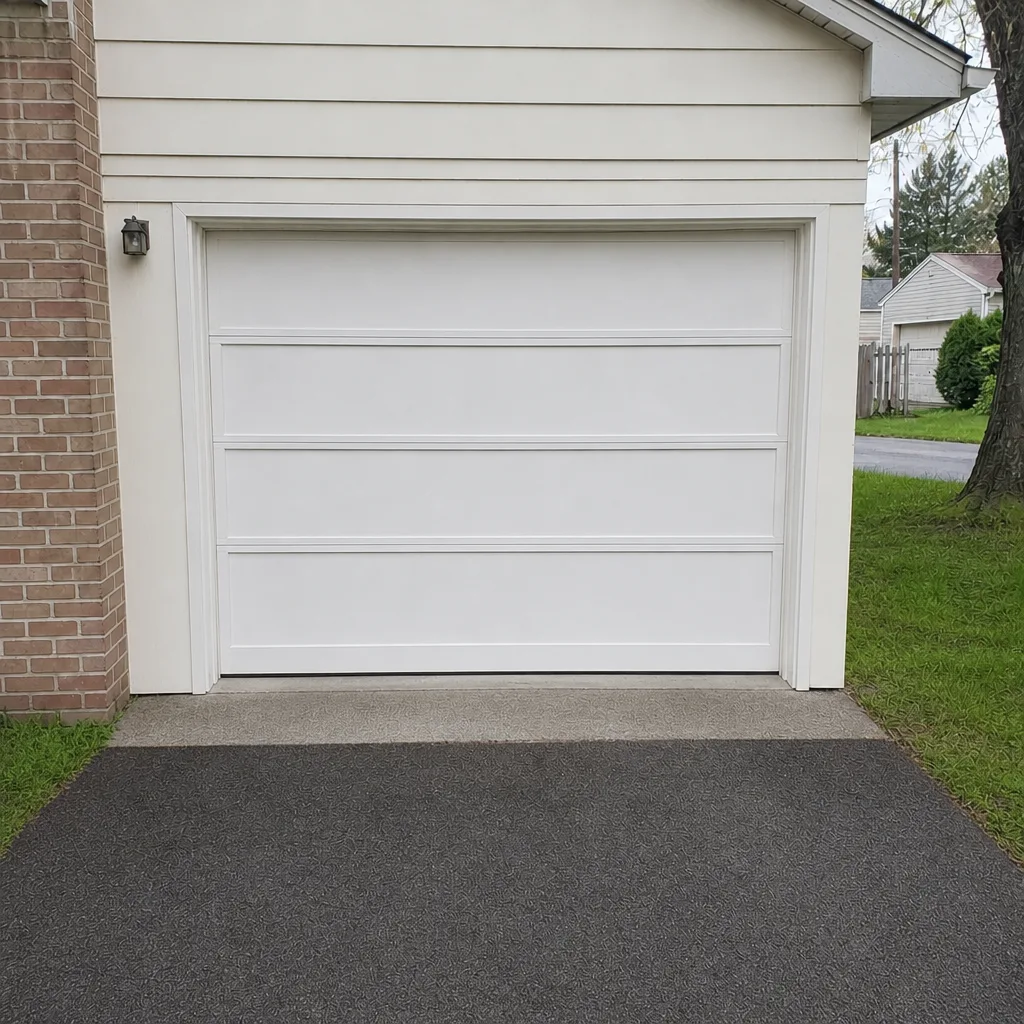 After
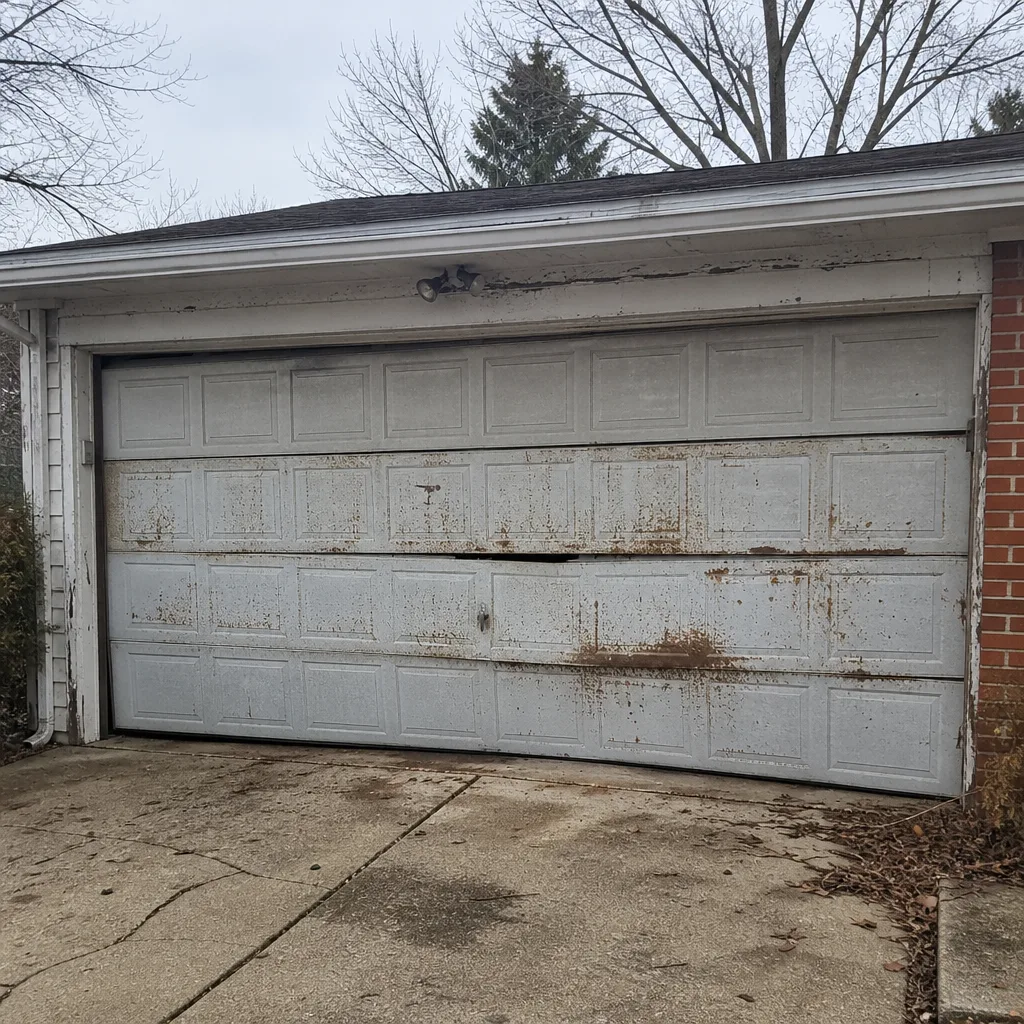 Before
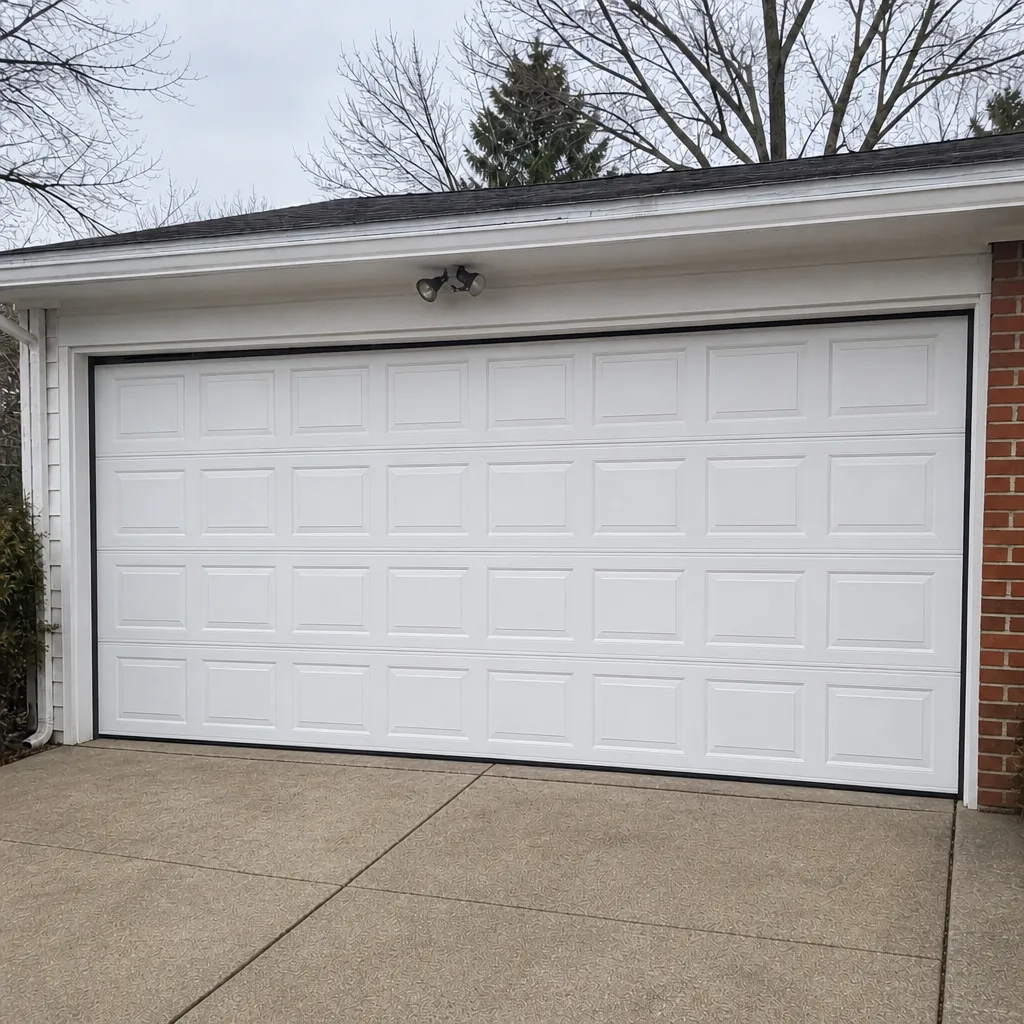 After
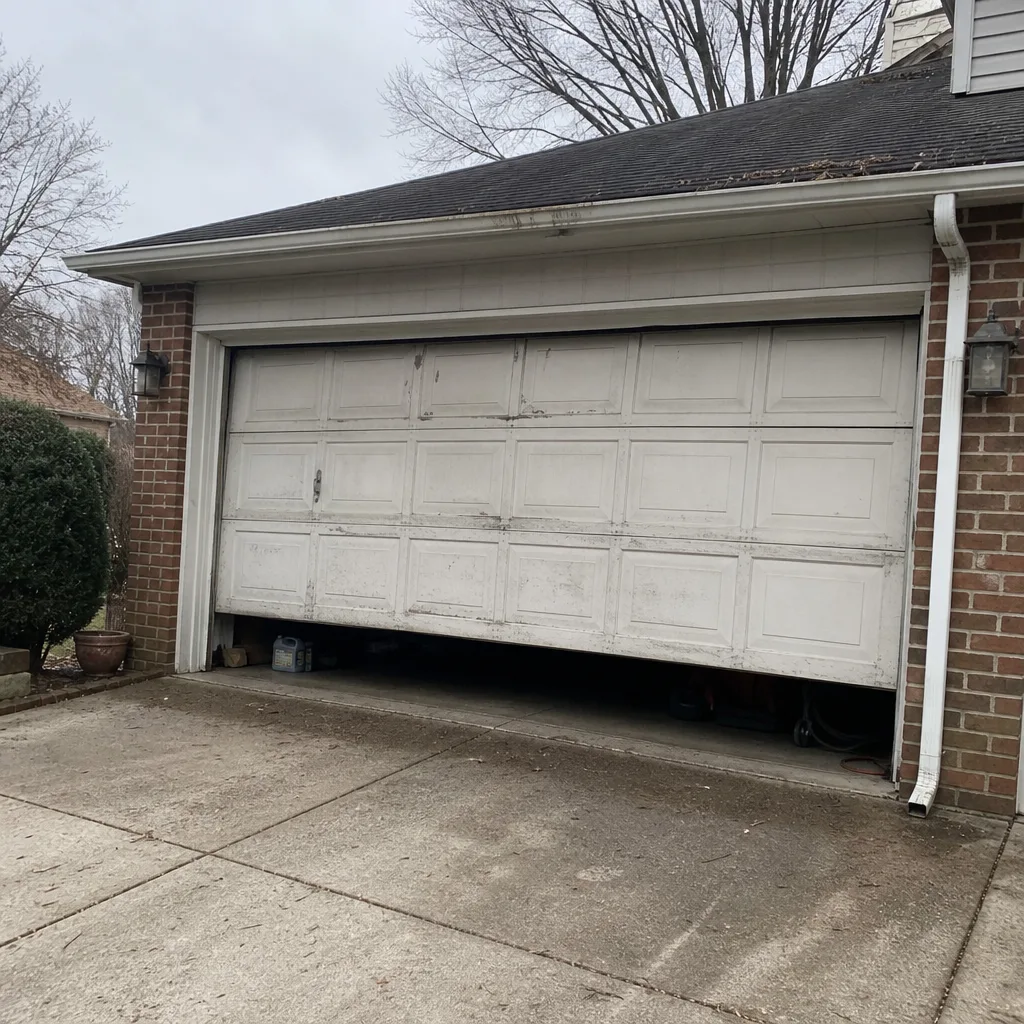 Before
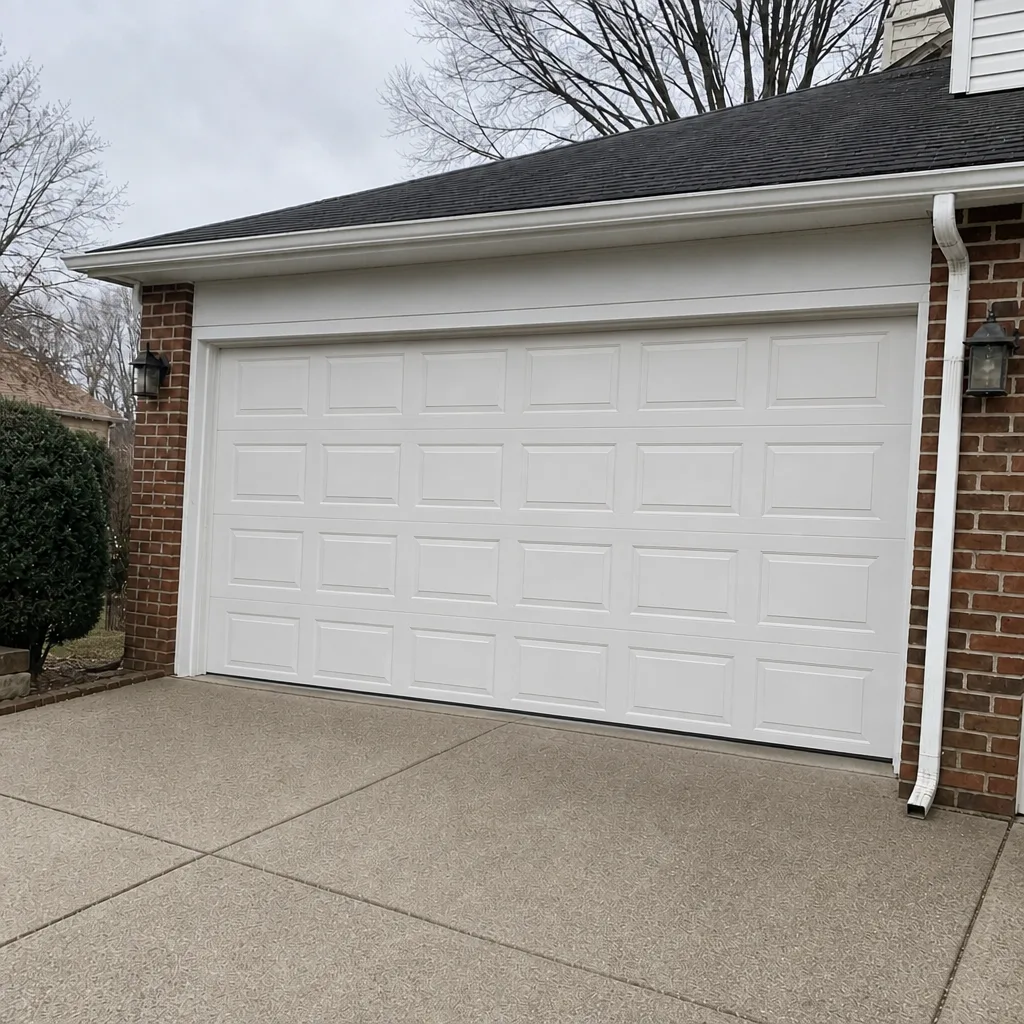 After
When to Call a Professional
Call a technician if the balance test fails, if you see a gap in a torsion spring or a frayed cable, if the door reverses or binds unpredictably, or if the opener safety reverse fails to stop on contact. Call if the door has been hit, is visibly out of square, or if a hinge has pulled out of the panel and you can’t get the fastener to bite. And call before you try to fix a spring yourself. Rockville Garage Door Repair Pros offers free estimates in Rockville. Call (833) 468-3480. We answer 24/7, with fast dispatch from 7am to 7pm, Sunday through Friday. Our technicians work on LiftMaster, Chamberlain, Genie, Clopay, Amarr, Wayne Dalton, Craftsman, and Raynor equipment, so we arrive ready to work on what’s actually installed. The price is quoted and agreed before any work starts, and the written estimate sets the final number.
If your opener is acting up but the door itself moves freely, the issue is more likely the opener than the door. Our garage door opener repair service covers everything from safety-reverse faults to worn gears, and if the opener itself is beyond repair, we can talk through a full garage door installation including a new opener.
Frequently Asked Questions
Twice a year, once in fall before the first hard freeze and once in spring after the last one. Those two passes catch everything Rockville’s temperature swings throw at a door: weakening springs, hardened weatherseals, and opener calibration drift. Add a quick monthly safety-reverse test in between, and a visual spring and cable check any time you hear a new noise.
You can, and should, lubricate the hinges, rollers, and opener rail on a schedule. Use white lithium grease or a silicone spray, not WD-40. What you shouldn’t touch is the springs. If the springs look worn or the door won’t hold its balance, that’s when to call. Call (833) 468-3480 for a free estimate if you’re not sure.
It usually means the opener’s travel limit or force setting has drifted, not that the opener is broken. Cold contracts the door’s metal, so the opener thinks it’s hitting something and reverses. Some of the fix is a limit dial adjustment, but the safety reverse test needs to work afterward, and getting it wrong can disable the one safety feature that matters most. If you’re not comfortable dialing the opener, call a technician. Estimates are free.
Look for a visible gap between two coils, which means the spring has already broken. Stretching or sagging on an extension spring is another sign. Rust that’s flaking off rather than sitting as surface rust means the metal is thinning. And a failed balance test, where the door sinks when you let go at waist height, is the clearest sign the springs have lost tension. Don’t try to fix any of it yourself; call a technician.
We work on the brands that dominate residential Rockville homes: LiftMaster, Chamberlain, Genie, Clopay, Amarr, Wayne Dalton, Craftsman, and Raynor. That covers both newer Wi-Fi-enabled units and older mechanical systems, and both belt-drive and chain-drive mechanisms. If you’re unsure what’s installed, a technician can identify it on the first visit. Call (833) 468-3480 for an estimate.
A maintenance visit is a scheduled inspection and tune-up: lubrication, balance check, safety-reverse test, weatherseal check, and a report on anything wearing out. A repair call is for a door that’s already failed. We offer both, and the price for either is set by a written estimate before work starts, so you know the cost up front.
If the door has already failed and you need help quickly, our garage door repair service is available with same-day scheduling. And if the whole door is past its useful life, we can walk through the options in person.
The Bottom Line
Maintenance that ignores Rockville’s freeze-thaw cycle is just a checklist; maintenance built around it is what keeps your door working through February. Inspect twice a year, once in early fall and once in early spring. Lubricate the moving parts with white lithium grease or silicone spray, and leave the springs alone. Test the balance and the safety reverse on a regular rhythm, and take any new noise seriously. Everything that puts your hands near a loaded spring or a stretched cable belongs to a technician; everything else you can do. The right routine is the one that keeps you off the phone in March.
If any item on this checklist comes back a no-go, or if you’d rather have a trained set of eyes on the door before winter sets in, we’re ready to help. Rockville Garage Door Repair Pros is a garage door specialist, not a generalist with a door in the truck. Rockville Garage Door Repair Pros handles spring work, opener repair, weatherseals, and full door replacement with the same crew. Call (833) 468-3480 for a free estimate. We answer 24/7, with fast dispatch from 7am to 7pm, Sunday through Friday.
Written by the team at Rockville Garage Door Repair Pros.