
Last updated November 23, 2026
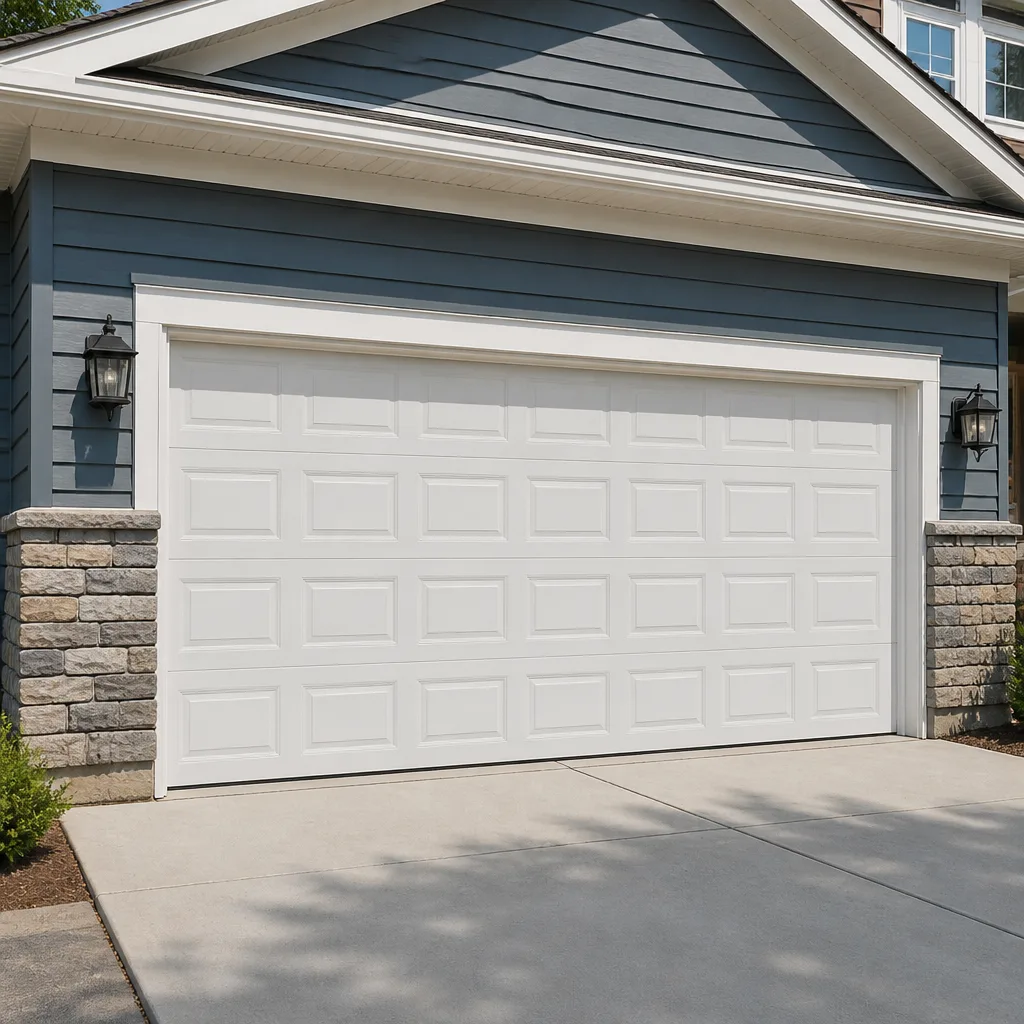 Raised-panel steel
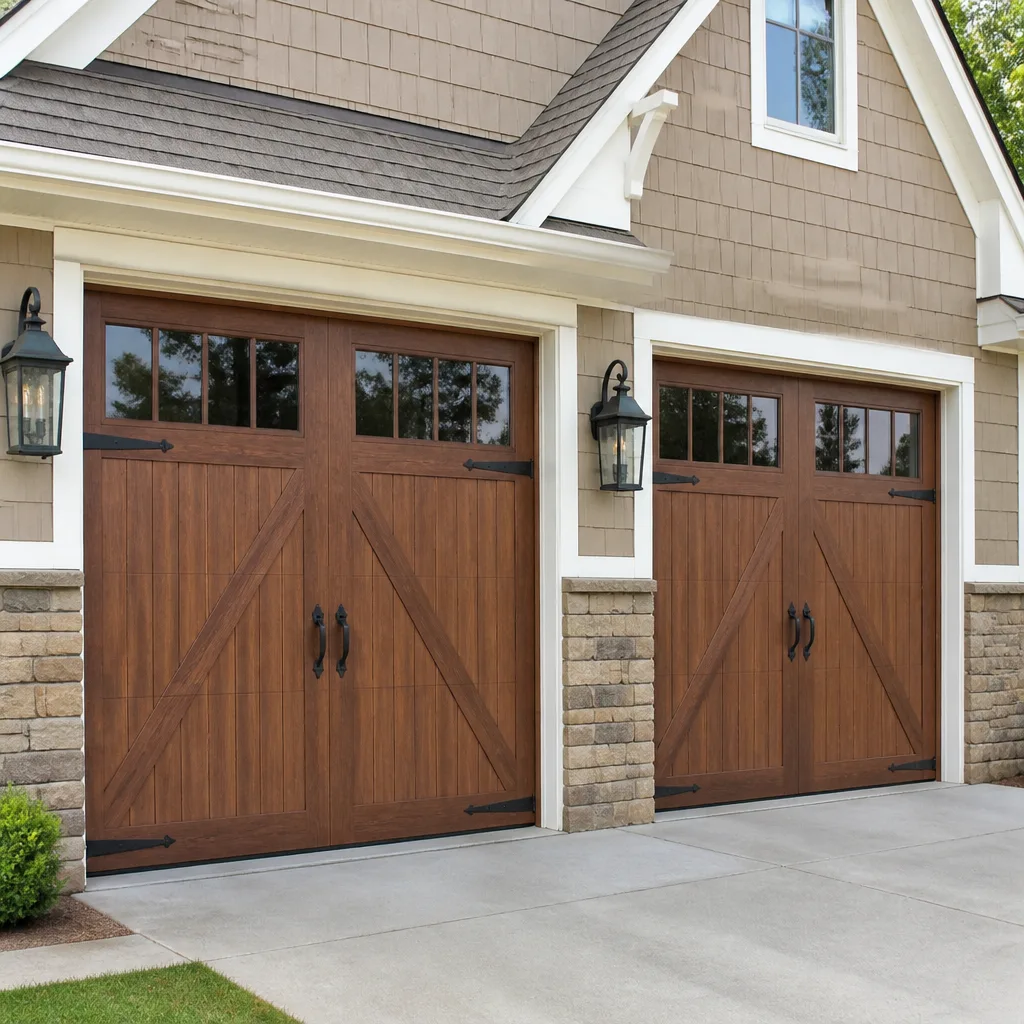 Carriage house
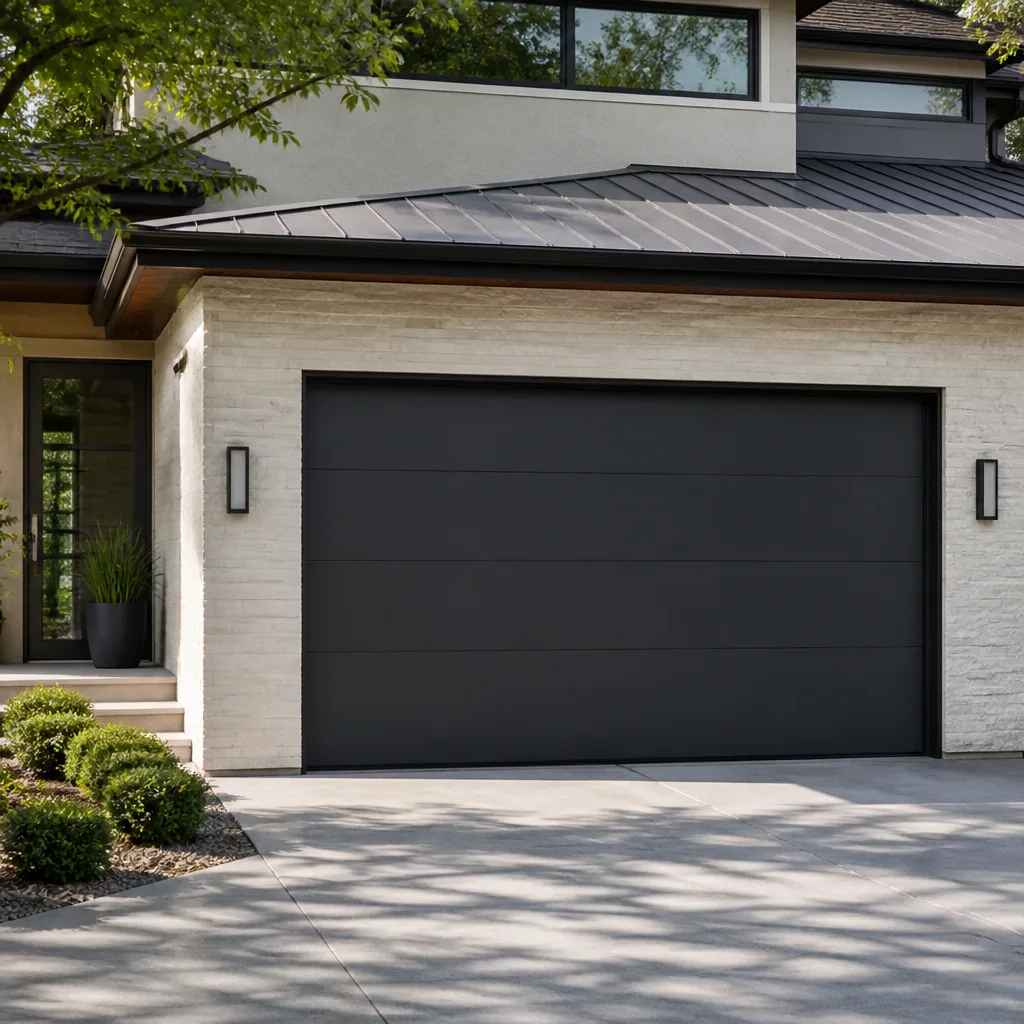 Modern flush
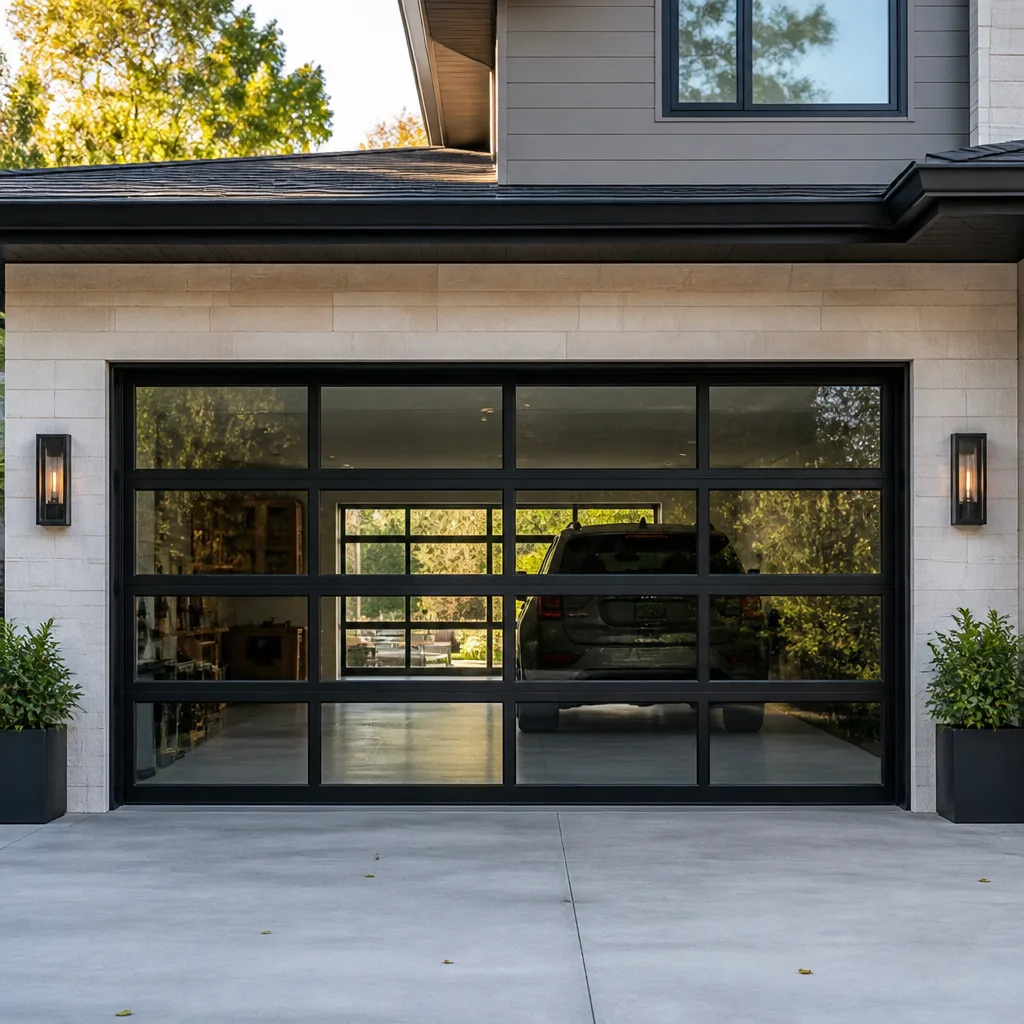 Full-view glass
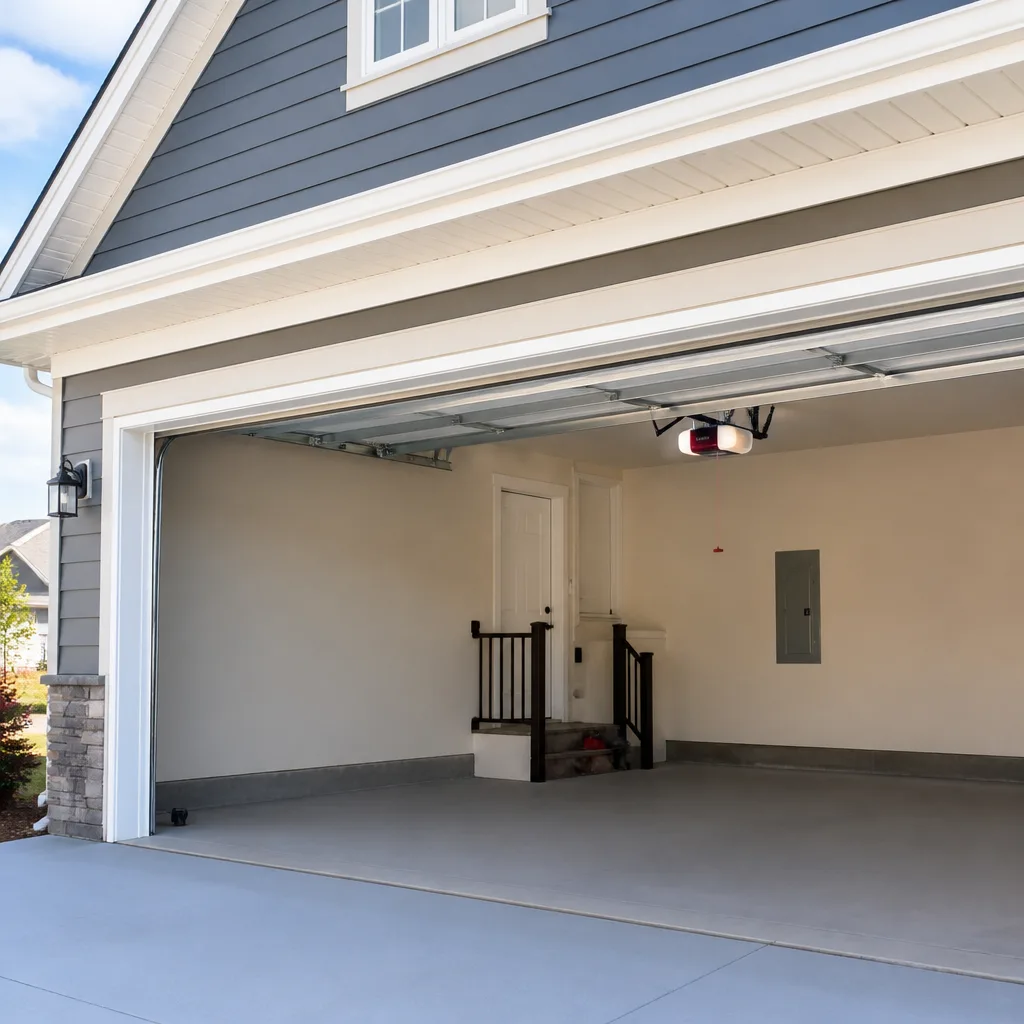 LiftMaster openers
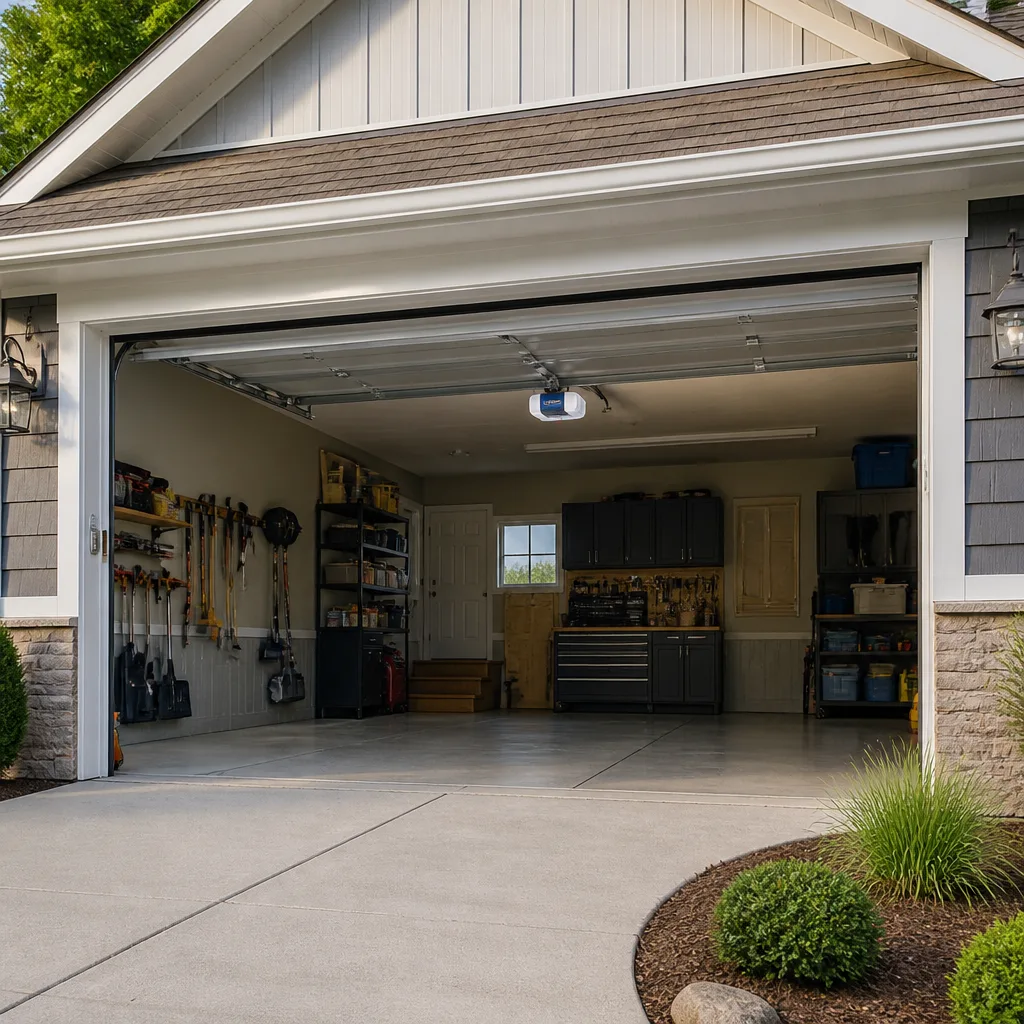 Chamberlain openers
Full 25-point door and opener safety check with every visit - springs, cables, rollers, tracks, and your LiftMaster or Chamberlain opener included
You get a price before we start. It does not change when the pro arrives.
Get your free estimateSeasonal Garage Door Care for Rockville: Year-Round Homeowner’s Guide
Most garage door advice treats maintenance as one checklist you run through once a year and forget. That approach quietly fails in Rockville, because this region doesn’t give a door one climate – it gives it four. The door that sailed through a humid August without a sound can still snap a torsion spring in February if nobody accounted for the tension change that cold metal brings. What follows is a season-by-season plan built specifically around what Rockville weather does to springs, seals, openers, and cables, so your care actually prevents the failures it’s supposed to. You’ll get the actions, the order to do them in, and a simple log that turns guesswork into a pattern.
Quick Answer
Seasonal garage door care in Rockville means targeting four distinct stress periods instead of doing one generic tune-up: winter cold that alters torsion spring tension, the spring freeze-thaw cycle that attacks weatherseals and bottom seals, summer heat that triggers opener thermal cutouts, and fall prep that rebalances and lubricates before the cold returns. Doing the right task in the right season is what separates maintenance that prevents breakdowns from maintenance that just feels productive.
Styles & brands we work with
- Raised-panel steel
- Carriage house
- Modern flush
- Full-view glass
- LiftMaster openers
- Chamberlain openers
Table of Contents
- Why Rockville’s Four Seasons Break Doors Differently
- Winter: Cold, Contraction, and Spring Tension
- Spring: The Freeze-Thaw Window and Seal Failure
- Summer: Heat, Opener Motors, and Thermal Cutouts
- Fall: The Pre-Winter Prep Sequence in the Right Order
- Keeping a Seasonal Log That Makes Patterns Visible
- Common Mistakes to Avoid
- When to Call a Professional
Why Rockville’s Four Seasons Break Doors Differently
Rockville sits in a part of Maryland where the temperature swings are real and repeated: sticky, humid summers and winters cold enough to freeze the ground and hold it. A garage door is a mechanical system made mostly of steel, and steel changes dimension with temperature. Springs, cables, tracks, and hinges all respond to that expansion and contraction. The problem isn’t any single season – it’s that each season stresses a different component, so a door can look and sound fine through one season and carry a hidden problem into the next.
This is where a single annual service visit falls short. If your only maintenance happens in, say, early summer, you’ve done nothing to prepare the door for the tension shift that arrives with the first hard freeze. And if your only visit is in fall, you’ve skipped the heat-related opener behavior that shows up in July. Four seasons means four different failure conditions to manage.
Here’s the shorthand we use when thinking about what each season actually does:
- Winter – cold contracts metal, changing torsion spring tension and making the door feel heavier or jumpier.
- Spring – the freeze-thaw transition is when seals separate and weatherstripping gives out.
- Summer – heat strains opener motors and triggers thermal cutouts on modern units.
- Fall – the window to rebalance, lubricate, and inspect before the cold locks things down.
Treat those as four targeted interventions rather than one annual pass, and preventive maintenance starts doing what the name promises. Rockville homeowners who adjust their care to the calendar rather than the to-do list get fewer emergency calls and longer component life. If something does fail on schedule, our garage door repair team works on whatever system is already on your door.
Winter: Cold, Contraction, and Spring Tension
Winter is the season most likely to end a spring’s life, and the reason is physics, not bad luck. As steel cools, it contracts. A torsion spring that was tensioned correctly in October carries a slightly different load in January, and that shift is exactly why an adjustment or balance check done in fall needs re-checking once the deep cold sets in. A door that felt perfectly balanced in autumn can suddenly feel heavy at the bottom or slam harder than it used to.
What to watch for in a Rockville winter:
- A door that feels heavier lifting by hand – a sign the spring tension has shifted with the cold.
- Louder operation or banging – cold-thickened lubricant and contracted metal both add noise.
- Sluggish starts – the opener working harder against a stiffer door and cold grease.
- A door that reverses or stops partway – the opener’s safety system sensing unexpected resistance.
What you can safely do yourself in winter is the balance and safety check: with the door closed and the opener disconnected, lift the door by hand to about waist height and let go. A properly balanced door should hold roughly in place rather than dropping or rising on its own. Listen for new noises and note them. What you should not do is adjust, wind, or unwind springs yourself. Torsion and extension springs are under extreme tension, and the single most dangerous repair on a residential garage door is a spring job done without the right tools and training. That’s a job for a trained technician, full stop, and it’s a specialty we treat as safety-critical rather than routine.
If your door struggles in January, don’t wait it out. Cold-season spring problems rarely fix themselves and often get worse as the temperature drops further. A quick call now beats a door stuck shut in a cold snap. Call (833) 468-3480 – we answer 24/7, with fast dispatch from 7am to 7pm, Sunday through Friday.
Spring: The Freeze-Thaw Window and Seal Failure
The freeze-thaw transition is the highest-risk period of the year for weatherseals and bottom seals, and it gets far less attention than springs. Here’s why it matters. Through winter, the bottom seal and the weatherstripping around the door frame are repeatedly freezing to the concrete and the frame, then thawing, then freezing again. Every one of those cycles pulls and stresses the rubber. Over a season, that’s how bottom seals separate from the door, crack, and stop sealing – and a door that no longer seals lets cold air, moisture, and pests straight into the garage.
Rockville spring weather is the right time to catch this, before summer and before the next cold season. This is a safe inspection to do yourself:
- Check the bottom seal along its full length. Look for gaps where it’s pulling away from the door, cracks, or flattened spots that no longer touch the floor.
- Check the frame weatherstripping on both sides and across the top for tears, hardening, or sections that have pulled loose.
- Close the door against a piece of paper at several points along the bottom and sides. If the paper slides out easily, the seal isn’t doing its job at that spot.
- Look at the concrete under the door for standing water or crumbled edges, which can keep a seal from seating.
Replacing a bottom seal or frame weatherstripping is one of the more homeowner-friendly door tasks, but if the seal has separated badly or the door no longer meets the floor evenly, the door may also be out of adjustment. That’s worth a professional look. Catching a failing seal in Rockville spring saves you the draft, the moisture, and the pest entry that come with a bad seal all summer. If you’d rather have it checked in one visit, our specialists handle seals alongside every other repair.
Summer: Heat, Opener Motors, and Thermal Cutouts
Summer heat changes how your opener motor behaves, and the most common symptom is a door that stops partway or refuses to move during the hottest part of the day, then works again later. That’s usually not a dead opener – it’s a thermal cutout. Modern openers, including popular LiftMaster and Chamberlain units, build in a thermal protection feature that shuts the motor down when it gets too hot. In a hot, humid Rockville garage, that cutout can trigger during a normal cycle, especially if the door is binding, the opener is older, or the unit has been running back-to-back cycles.
What to watch for when the heat is on:
- Door stops mid-cycle, works again after cooling – a classic thermal cutout pattern.
- Opener motor feels very hot after one cycle – normal to warm, but not scorching.
- Frequent reversing – the safety system tripping on resistance that’s worse in heat.
- Inconsistent travel or speed – the opener straining against a binding door.
Heat also affects the door itself. Metal expands, tracks can shift slightly, and a door that ran clean in spring can start to bind. A door that binds makes the opener work harder, which raises motor temperature, which brings the cutout on sooner – a loop that gets worse through the summer. If your opener cuts out repeatedly, don’t keep resetting and running it hard; that masks the underlying resistance. Get the door balance and track condition checked so the opener isn’t fighting a door that needs adjustment.
Genie openers and older mechanical units show heat strain too, just differently, often with sluggish travel rather than a clean cutout. Our garage door opener repair covers modern Wi-Fi-enabled systems and legacy mechanical units alike, across LiftMaster, Chamberlain, Genie, and Craftsman, so we work on what’s installed rather than steering you to something new during the hottest week of the year.
Fall: The Pre-Winter Prep Sequence in the Right Order
Fall is the most important maintenance window of the year – and the order you do things in matters. Lubricating before you balance-test hides the problem you’re trying to find. Inspecting cables after you’ve lubricated tracks means you’re working around fresh grease. Do these in the correct sequence and you set the door up for winter properly.
Here’s the pre-winter prep sequence, in order:
- Balance test first. With the door closed and the opener disconnected, lift the door to about waist height and let go. It should hold roughly in place. If it drops or rises under its own weight, the door isn’t balanced, and that needs attention before winter.
- Inspect the cables. Look at both cables for fraying, kinks, or slack that shouldn’t be there. Cables are under high tension – look, don’t touch or adjust.
- Inspect hinges, rollers, and tracks for wear, loose hardware, and debris, and wipe the tracks clean with a dry cloth. Don’t grease the tracks; they’re meant to run dry.
- Lubricate the right parts with the right product. Use a garage-door-specific or white lithium grease on the hinges, rollers, and spring coils, and a silicone-based lubricant on the weatherstripping so it doesn’t freeze to the frame. Skip WD-40 as a stand-in for proper door lubricant on moving parts.
- Test the safety reverse. With the door closing, pass an object under it; the door should reverse. Do this every season, in every month that follows.
Do the balance test and cable inspection before you touch the lubricant, and the sequence tells you the truth about the door’s condition before winter hides it. If the balance test fails, that’s a call for a technician rather than a DIY adjustment – a door that won’t hold is usually telling you about a spring. When the door is genuinely ready for winter, Rockville’s cold months are far less likely to catch you off guard. If the balance and inspection raise questions, our team can take it from there and, if the door is at the end of its life, walk you through garage door installation without brand-switching pressure.
Keeping a Seasonal Log That Makes Patterns Visible
One of the simplest things a Rockville homeowner can do to make service faster and cheaper is keep a seasonal log. The point isn’t record-keeping for its own sake. It’s that a log turns scattered symptoms into a pattern, and a pattern tells a technician where to look before they arrive. “It’s been noisy lately” is hard to work with; “noisy in January and July, quieter in between” points straight at temperature-sensitive components.
A useful log is short. Each season, note a handful of things:
- Date and season of each entry, plus the outside temperature if you happen to know it.
- Any new noise and when it appears – on open, on close, in cold, in heat.
- Any change in feel – heavier lifting by hand, faster closing, harder reversing.
- Opener behavior – cutouts, reversing, blinking lights, remote lag.
- Visual notes – seal wear, track debris, loose hardware, rust spots.
- What you did – the date you lubricated, tested the reverse, wiped the tracks.
Two or three lines per season is plenty. The value compounds because most garage door problems are gradual, and a log makes the gradual visible. When a technician arrives, you can hand over a short history instead of trying to remember whether the noise started this month or last. That shortens diagnosis and often narrows the job. It’s the kind of small habit that keeps a Rockville door running longer between repairs and makes each repair go smoother when it’s needed. If the log shows a repeating pattern you can’t explain, that’s a good reason to have a specialist take a look before the pattern becomes a breakdown.
Common Mistakes to Avoid
Most of the seasonal mistakes we see come down to doing the right thing at the wrong time, or skipping a step entirely. These are the ones worth steering clear of:
- Doing one generic annual tune-up and calling it done. A single visit can’t address spring tension shifts, seal freeze-thaw, summer thermal cutouts, and fall prep all at once. Each season needs its own task in Rockville.
- Adjusting or winding a torsion spring yourself. This is the most dangerous repair on a residential door; the tension stored in a spring can cause serious injury. Spring work belongs to a trained technician, not a weekend project.
- Greasing the tracks. Tracks run dry; grease them and they collect grit and cause the door to bind, which then strains the opener and can trigger summer thermal cutouts.
- Ignoring a failing bottom seal through the fall and winter. Once the freeze-thaw cycle starts pulling a seal apart, waiting means cold air, moisture, and pests all winter. Catch it in spring in Rockville.
- Resetting a tripped opener and running it hard again. Repeated thermal cutouts usually point to a binding door or worn opener. Resetting repeatedly masks the cause instead of fixing it.
- Skipping the balance test after lubricating. If you lubricate first, you can hide the resistance a balance test would reveal. Test first, lubricate second.
- Letting an out-of-balance door ride through winter. A door that won’t hold in fall is usually telling you a spring is deteriorating. Winter cold makes that worse, and it can fail when you most need the door to work.
When to Call a Professional
Some seasonal care is genuinely homeowner territory: lubricating moving parts, wiping tracks, testing the safety reverse, checking seals, and keeping your log. Other situations call for a trained technician rather than a DIY attempt. Call a professional if a spring feels weak or your door won’t hold its balance, if a cable is frayed or slack, if the door binds in its tracks or comes off them, if the opener cuts out repeatedly or reverses unpredictably, or if the door has failed entirely and you’re locked in or out. Spring work in particular needs training and the right tools – it’s the one part of garage door care that should always go to a specialist.
Rockville Garage Door Repair Pros connects you with independent local professionals and offers free estimates in Rockville – call (833) 468-3480. We answer 24/7, with fast dispatch from 7am to 7pm, Sunday through Friday. Same-day service is available for repair and emergency work, and emergency garage door service is a standing offering, not an exception. Our technicians have up to 12 years of experience, and every price is quoted and agreed before any work starts.
See the difference
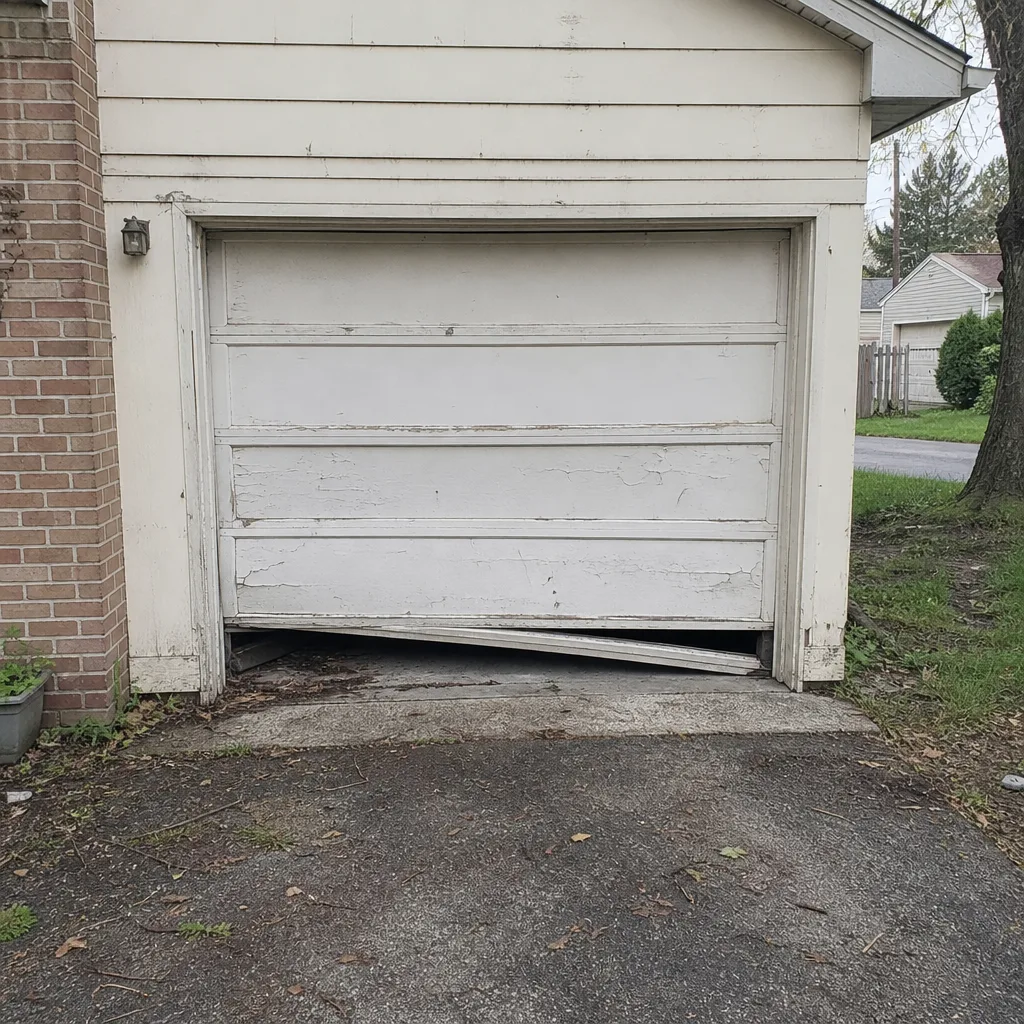 Before
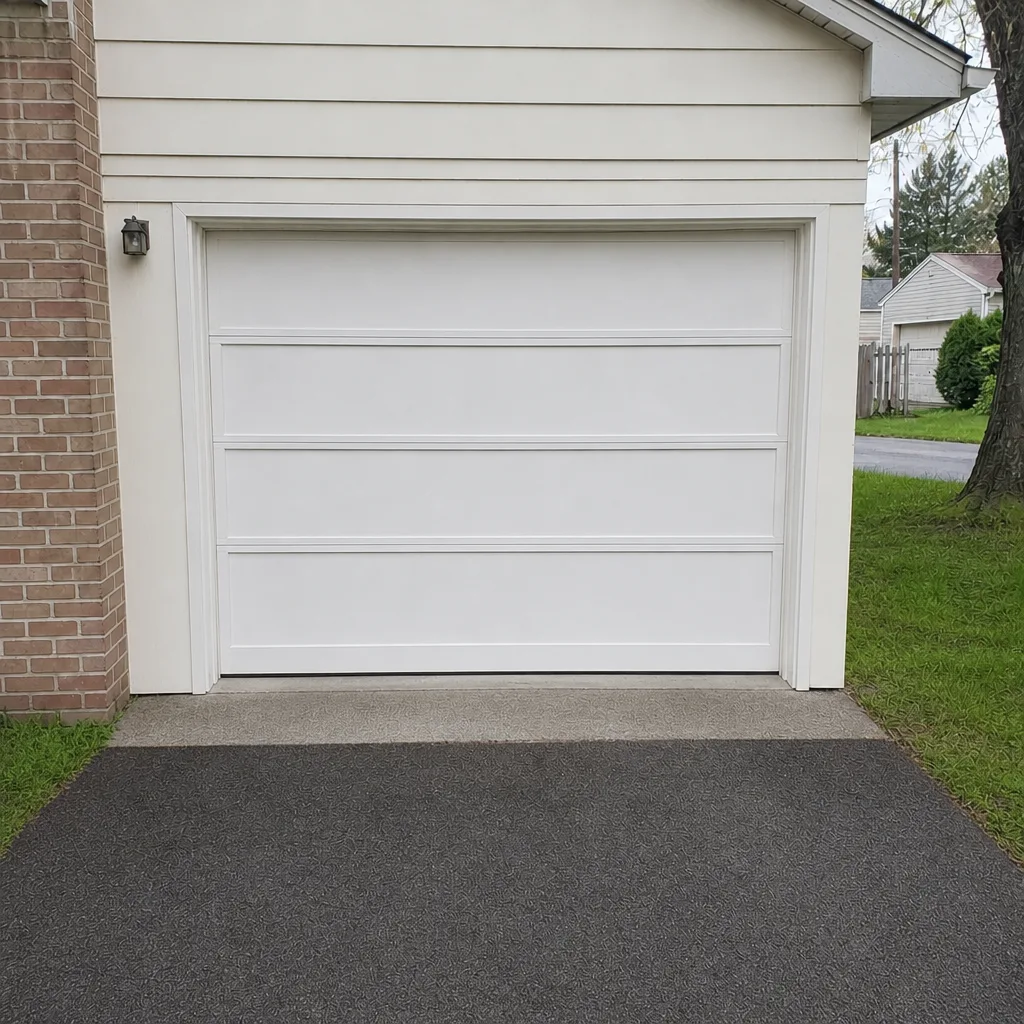 After
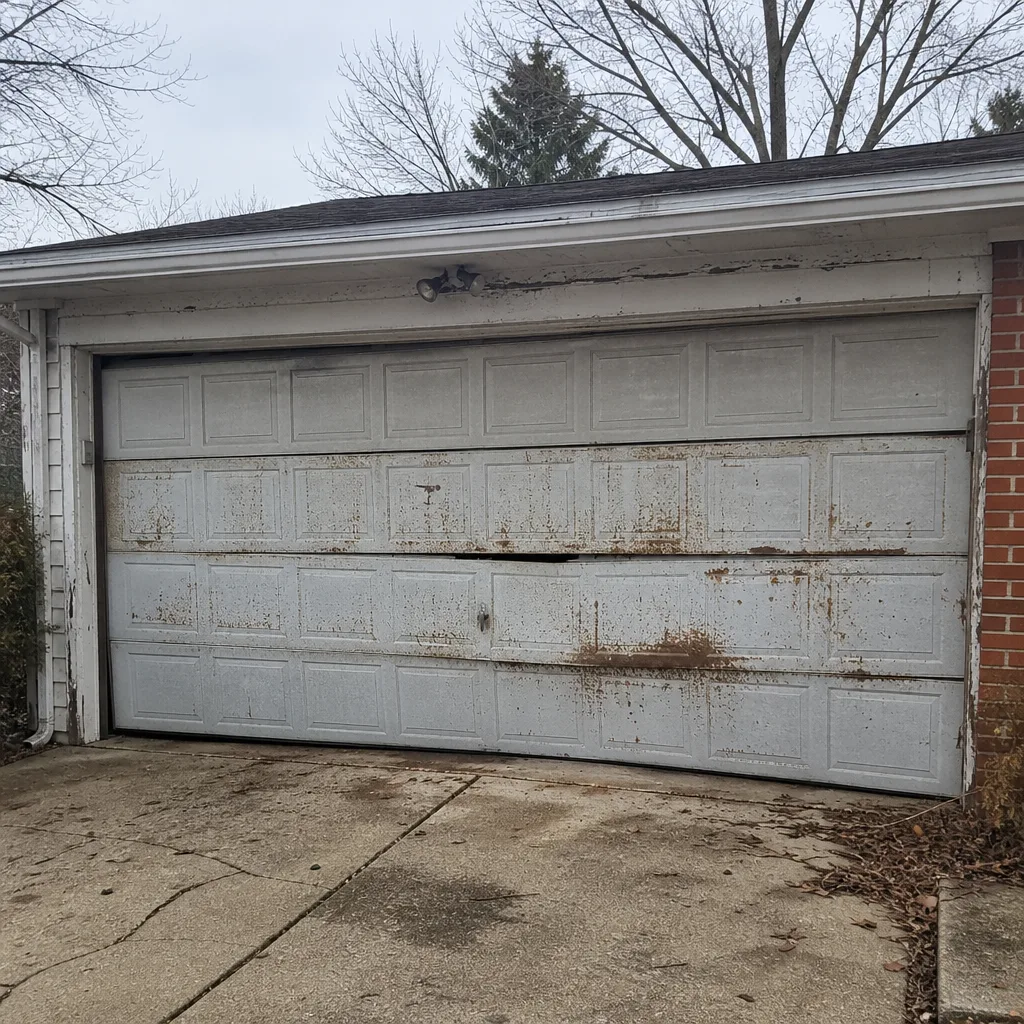 Before
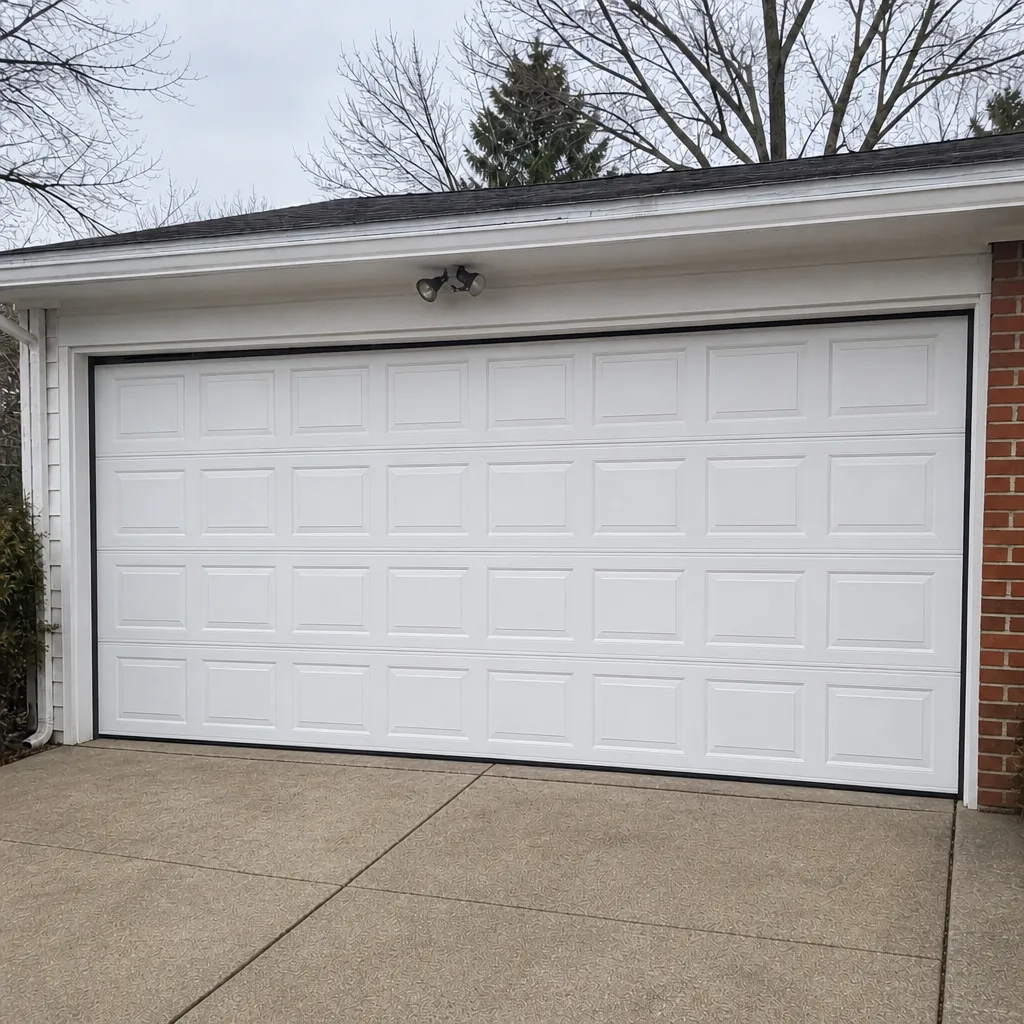 After
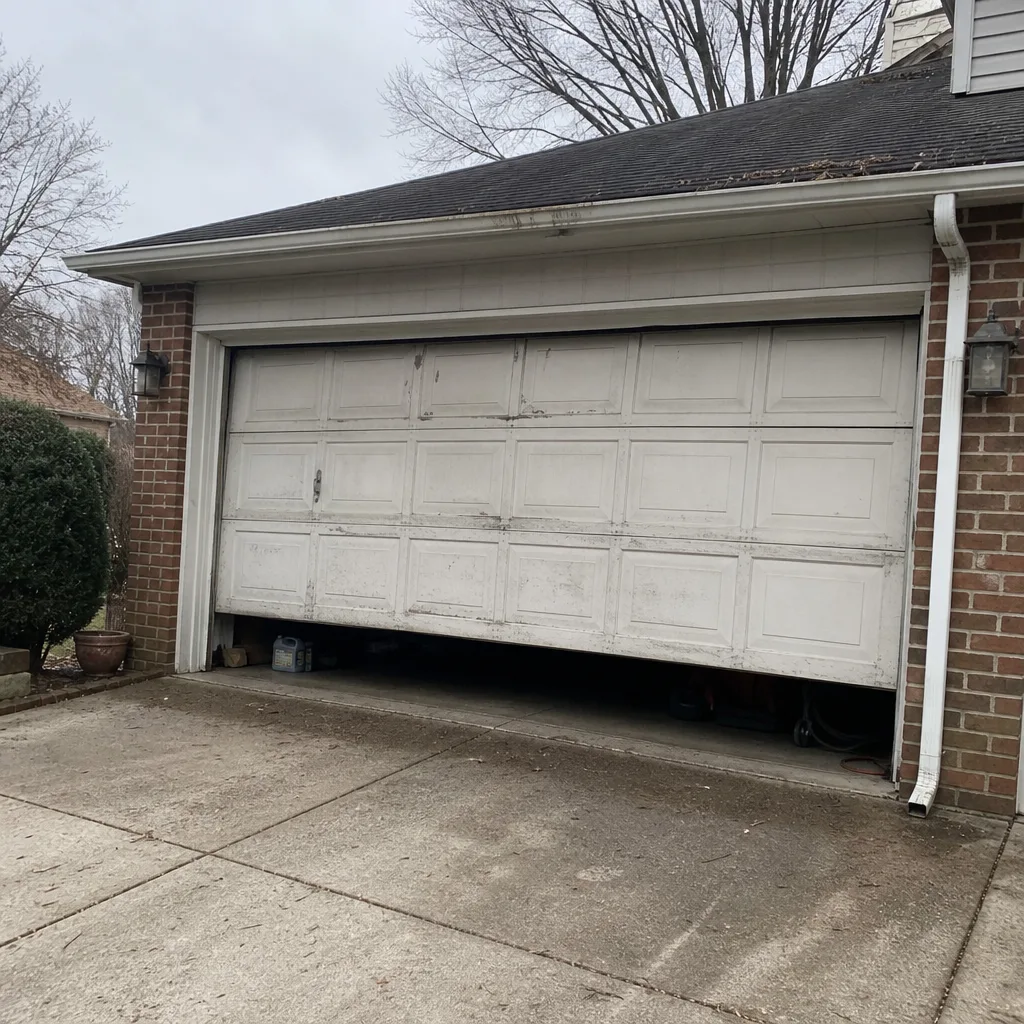 Before
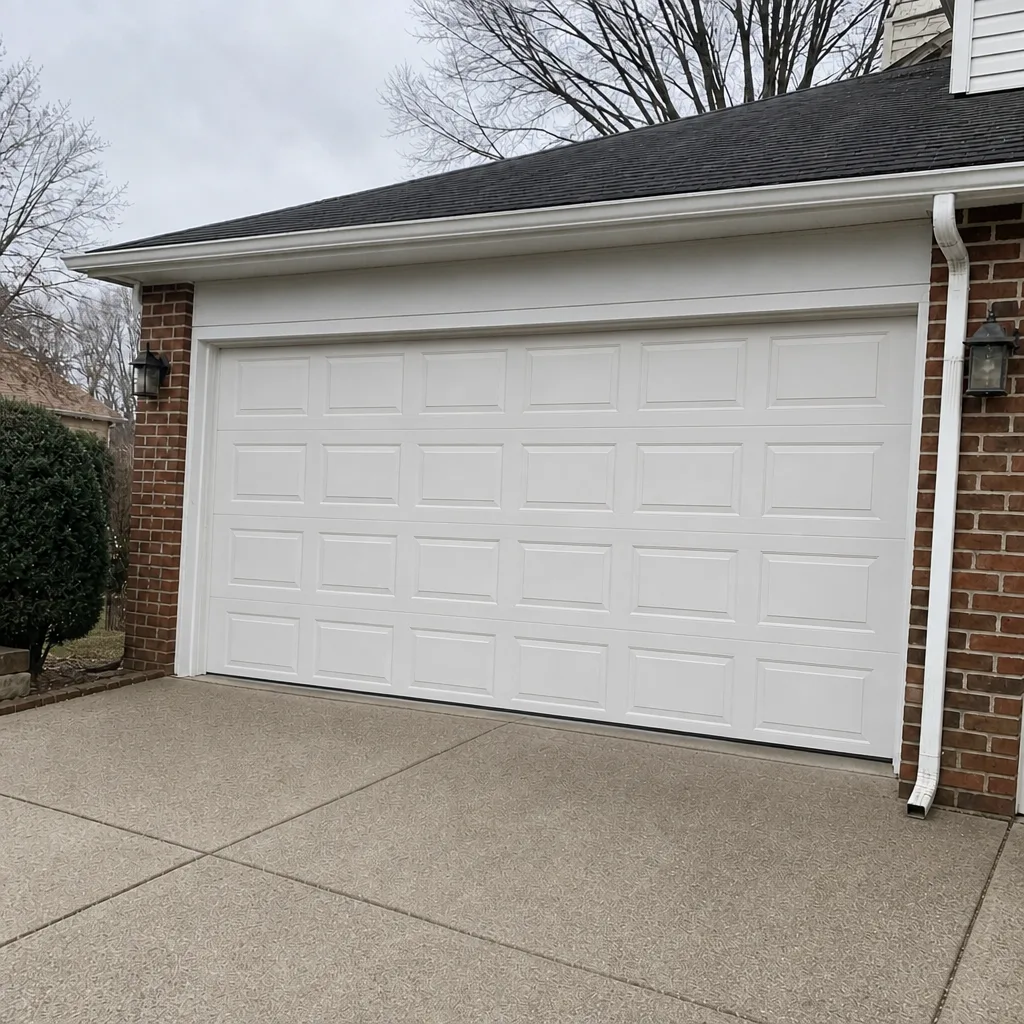 After
Frequently Asked Questions
Fall is the most valuable single window, because it’s your chance to balance-test, inspect, and lubricate before the cold locks things down – but fall alone doesn’t cover the year. Winter needs spring-tension re-checks, spring needs the freeze-thaw seal inspection, and summer needs attention to opener thermal cutouts. Treat each season as a targeted task rather than relying on one visit. Call (833) 468-3480 for a free estimate – estimates are free.
A door that stops partway on hot days and works again after cooling is usually tripping its opener’s thermal cutout – a built-in motor protection feature common on LiftMaster and Chamberlain units. It fires when the motor overheats, and a binding door or a straining opener makes it fire sooner. Get the door balance and track condition checked rather than repeatedly resetting the opener. Call (833) 468-3480 for an exact quote – estimates are free.
No. Torsion and extension springs store extreme tension and can cause serious injury if handled without the right tools and training, which is why spring work is a technician job. You can safely do a balance test by hand, but leave the winding, adjusting, and replacing to a professional. Spring repair is a specialty the local pros are equipped for. Call (833) 468-3480 to book a free estimate.
Run the paper test: close the door on a piece of paper at several points along the bottom and sides, and if it slides out easily, the seal isn’t sealing there. Visually check for gaps, cracks, hardened rubber, or sections pulling away from the door. Catching it in Rockville spring, before the heat and before the next cold season, saves you a drafty garage all summer. Call (833) 468-3480 for a written price.
Maintenance reduces risk but can’t guarantee a spring never fails – springs wear out over time regardless. What good seasonal care does is catch the warning signs, like a door that won’t hold its balance, before they turn into a door stuck shut in a cold snap or a car trapped inside. Balance tests and cable checks each season give you the early warning. For spring repair done safely, call (833) 468-3480 – estimates are free.
The local pro is licensed and insured as their state requires, and we vet the professionals we connect you with. You’re dealing with independent local specialists who work on all the major brands, including Raynor, LiftMaster, Chamberlain, and Genie, so there’s no surprise about compatibility. Call (833) 468-3480 for an exact quote; estimates are free.
The Bottom Line
Seasonal garage door care in Rockville works when it’s four targeted interventions, not one annual chore. Winter asks you to re-check spring tension as cold contracts the metal. Spring is the freeze-thaw window when seals fail, so inspect them early. Summer strains opener motors and triggers thermal cutouts, often because the door is quietly binding. Fall is the sequence that matters: balance test, cable inspection, then lubricate the right parts with the right products. Keep a short seasonal log so patterns surface, do the safe tasks yourself, and hand the spring and cable work to a trained technician. Done this way, your care actually prevents the failures it’s meant to – and your door lasts longer between repairs.
If any season reveals a problem you can’t safely address, call Rockville Garage Door Repair Pros at (833) 468-3480 for a free estimate. We answer 24/7, with fast dispatch from 7am to 7pm, Sunday through Friday. Whether it’s a broken spring, a balky opener, or a door that needs replacing, our single-trade focus on garage doors means we work on your system as installed, and every price is quoted and agreed up front.
Written by the team at Rockville Garage Door Repair Pros. Find us at Rockville Garage Door Repair Pros.