
Last updated November 23, 2026
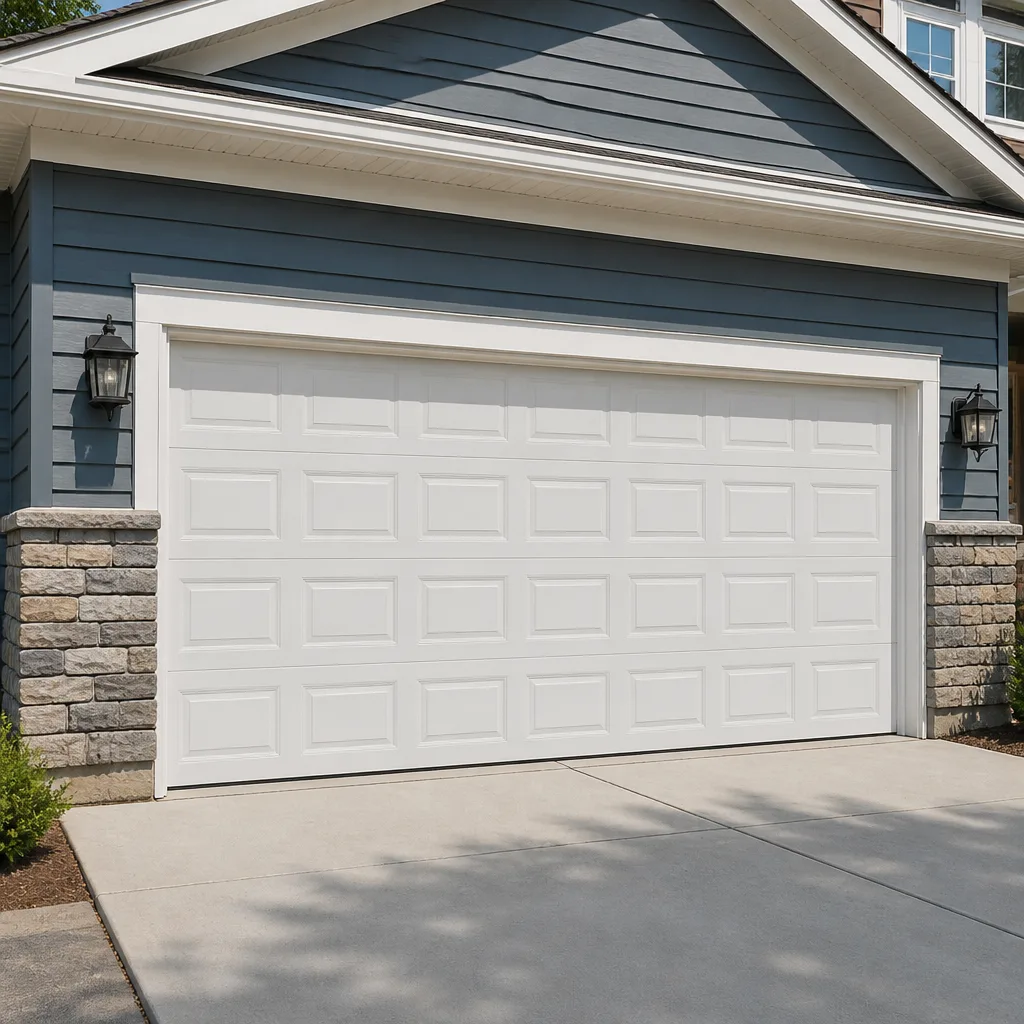 Raised-panel steel
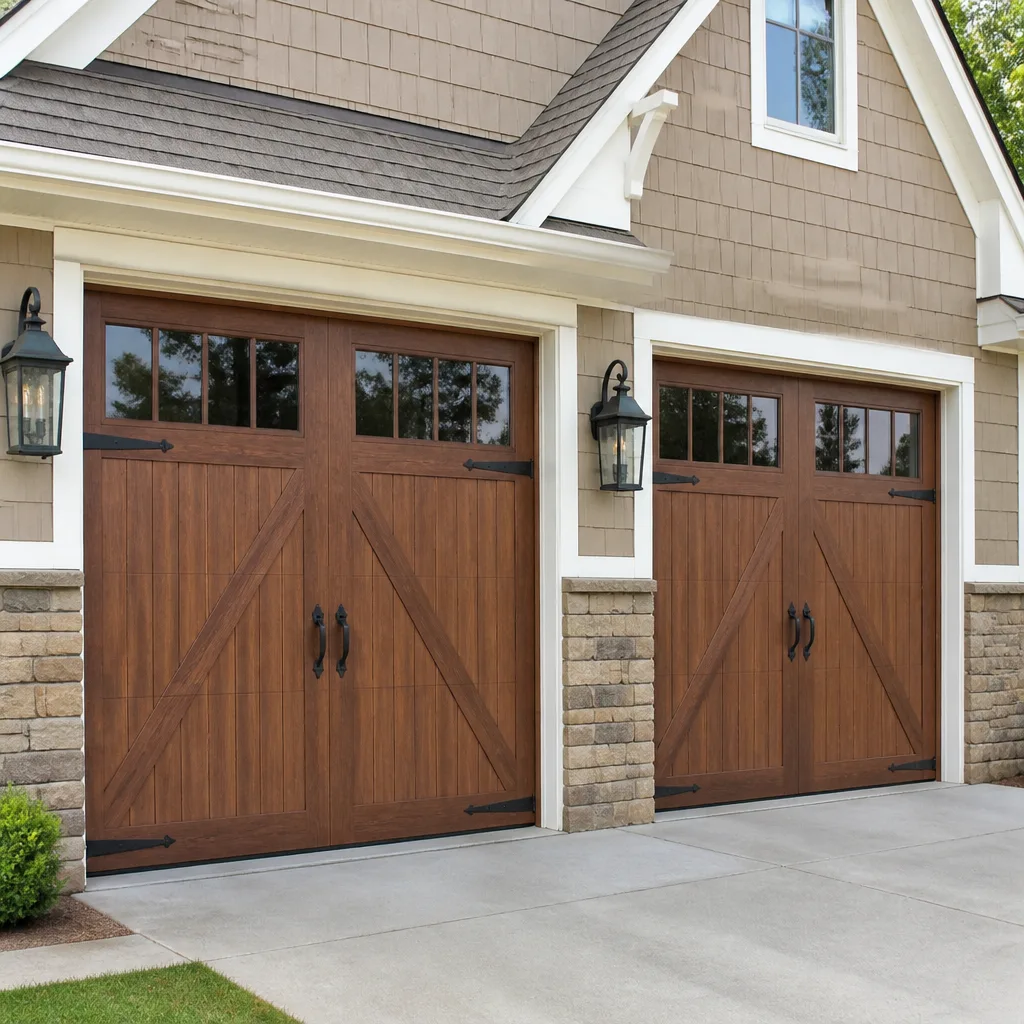 Carriage house
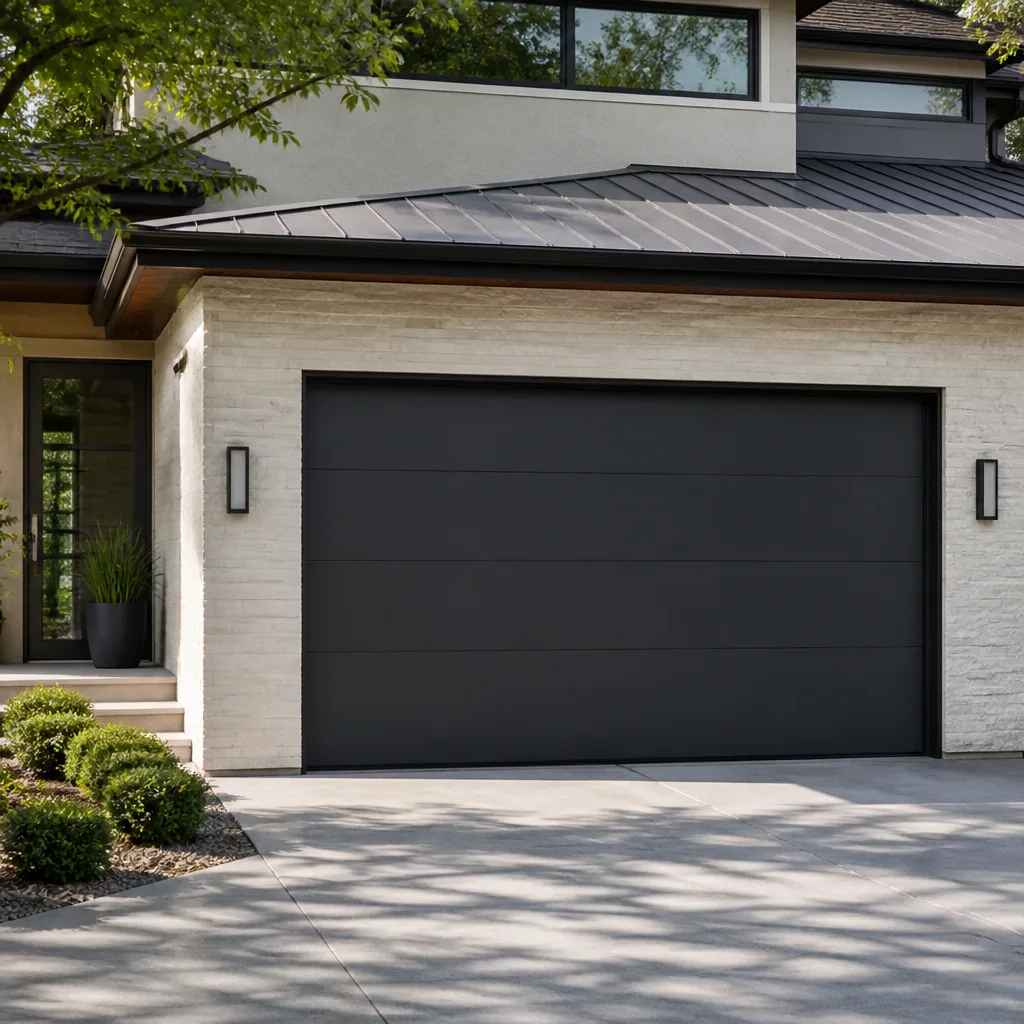 Modern flush
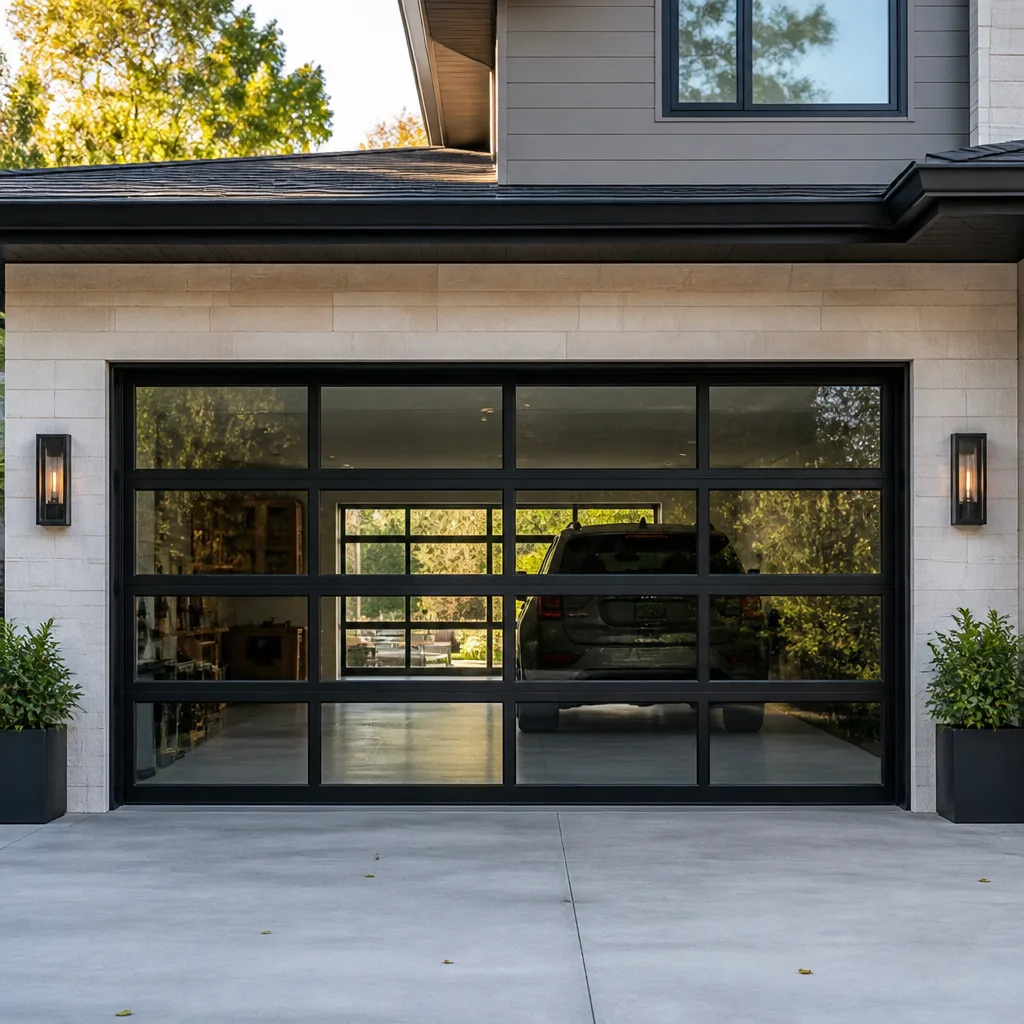 Full-view glass
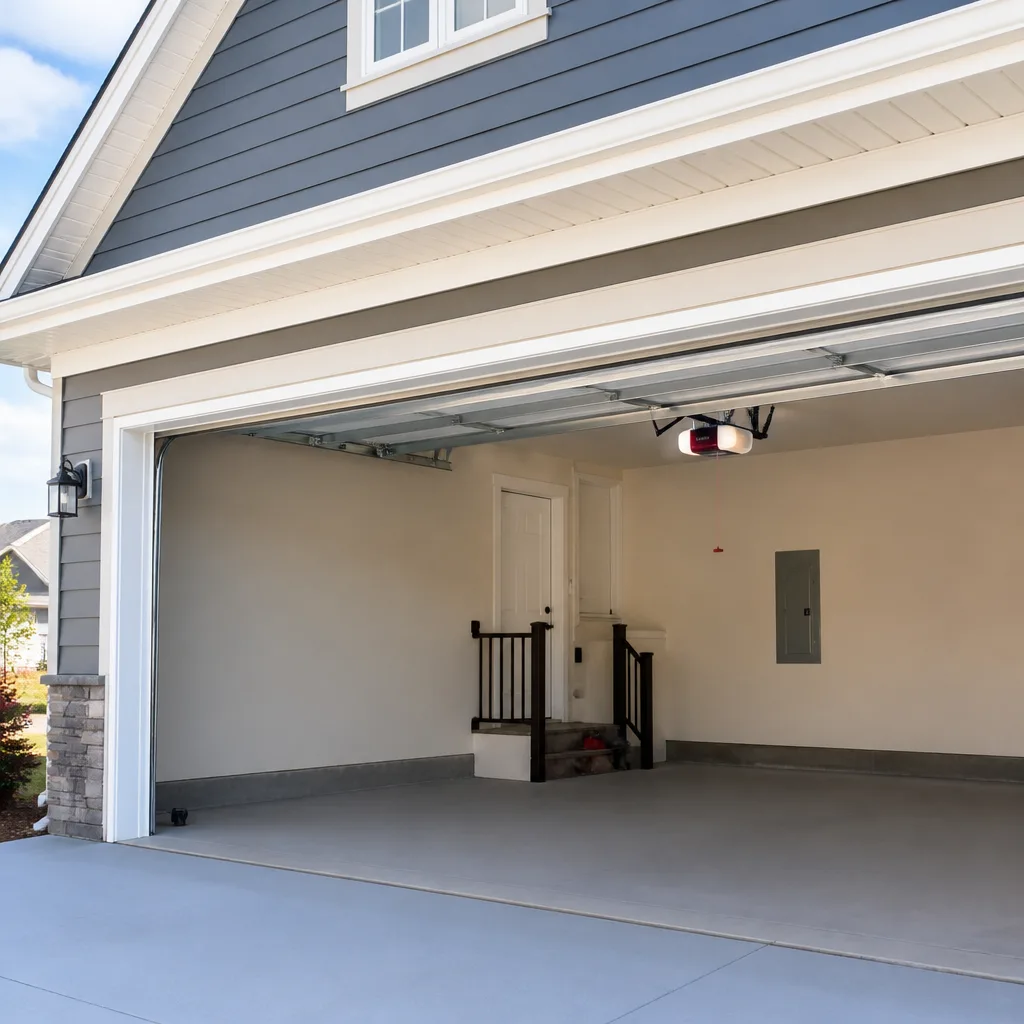 LiftMaster openers
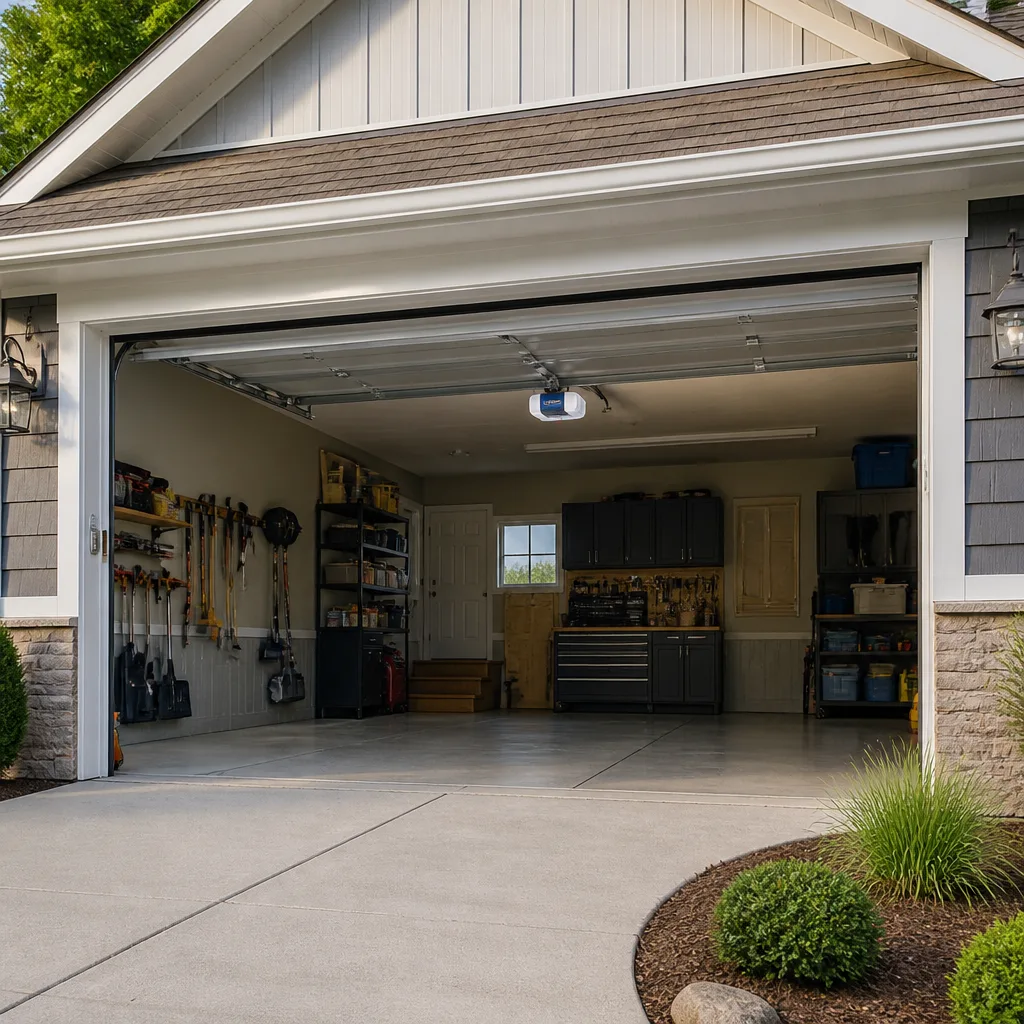 Chamberlain openers
Full 25-point door and opener safety check with every visit - springs, cables, rollers, tracks, and your LiftMaster or Chamberlain opener included
You get a price before we start. It does not change when the pro arrives.
Get your free estimateHow to Hire a Garage Door Contractor in Rockville: A Step-by-Step Guide
A quick search for garage door work in Rockville returns dozens of names, and a lot of them are general handymen or home-service platforms that list door work as a side offering. That matters more than most homeowners realize, because the quality gap between a specialist and a generalist rarely shows up in the labor. It shows up in the parts. A door hung with the correct spring, the right cable gauge, and OEM hardware lasts years longer than the same door patched with whatever was on the shelf. This guide walks you through screening a contractor the way a technician would, from licensing to parts sourcing to the wording of your written quote. By the end you’ll know exactly what to ask, what answers should raise a flag, and which questions separate a true door specialist from a wrench and a truck.
Quick Answer
To hire a garage door contractor in Rockville, verify the company’s Maryland Home Improvement Commission (MHIC) license first, then ask what brands they service and whether they use OEM, aftermarket, or reconditioned parts. Get a written, itemized quote that lists every part and its type before any work begins. A specialist who works on doors every day, services your existing brand, and puts the parts list in writing is the one to hire.
Styles & brands we work with
- Raised-panel steel
- Carriage house
- Modern flush
- Full-view glass
- LiftMaster openers
- Chamberlain openers
Table of Contents
- Specialist vs. Generalist: Why It Matters in Rockville
- The Five Questions That Separate Specialists from Generalists
- How to Verify Maryland MHIC Licensing
- Parts Sourcing: OEM, Aftermarket, or Reconditioned?
- Red Flags in a Garage Door Quote
- Writing a Scope of Work for a Door Replacement
- Matching the Contractor to Your Brand and Opener
- What Garage Door Work Typically Costs in Rockville
Specialist vs. Generalist: Why It Matters in Rockville
Rockville has a deep bench of home-service companies, and many of them will happily take a garage door call. The trouble is that door work is a narrow trade with its own failure modes, and a company that spends most of its week on plumbing or drywall doesn’t see those failures often enough to diagnose them quickly. When a torsion spring snaps or an opener’s travel limits drift out of adjustment, the fix depends on recognizing the specific system in front of you. A specialist has seen that exact setup dozens of times. A generalist is guessing.
The gap shows up most clearly in three places:
- Parts on hand versus parts ordered. A specialist knows which spring sizes and cable gauges are common in Rockville’s housing stock and can source the right part without turning a two-hour repair into a two-week wait. A generalist orders generic parts and hopes they fit.
- Safety-critical work. Torsion and extension springs store enormous energy. A technician who handles them weekly understands the winding procedure and the failure points. Someone who rarely touches them doesn’t, and that’s where injuries happen.
- Brand fluency. Doors and openers vary by manufacturer. A specialist who works across LiftMaster, Chamberlain, Genie, Clopay, Amarr, Wayne Dalton, Craftsman, and Raynor recognizes your equipment and knows its quirks. A generalist treats every door like the last one they saw.
None of this means a generalist can’t change a light bulb in your opener or tighten a loose bracket. But once the work involves springs, cables, track alignment, or a new door, the specialist’s depth is what protects your door and your safety. Rockville homes run the range from older developments with legacy mechanical openers to newer builds with Wi-Fi-enabled LiftMaster and Chamberlain systems, and a contractor who can handle both ends of that spectrum without switching brands is the one you want.
If you’re starting from a broken door and just need it fixed, a dedicated garage door repair specialist is the shortest path. The rest of this guide is about how to tell the specialists from the pretenders before you hand over a deposit.
The Five Questions That Separate Specialists from Generalists
You can learn a lot about a contractor in one phone call. These five questions are designed to surface whether door work is the core of the business or an afterthought. Ask them before you book. The answers tell you more than any review page will.
- “What brands do you service?” A specialist names specific manufacturers and works on whatever is already installed. If the answer is vague, or if they steer you toward one brand they “prefer,” that’s a sign they’re limited to what they stock rather than what you own.
- “Do you do spring work, and how do you handle it?” Spring repair is the most safety-sensitive door job there is. A specialist treats it as core work and can explain the difference between torsion and extension systems. A generalist will often subcontract it or decline.
- “What parts will you use, and are they OEM or aftermarket?” The answer should be specific. “Whatever’s available” is not an answer. You want to know the part type, the source, and whether anything is reconditioned.
- “Can you give me an itemized written quote?” A specialist puts the labor and every part on paper before starting. A generalist gives you a lump sum and figures it out as they go.
- “What happens if you open it up and find more?” This is the trap question. A good contractor explains how they’ll handle a surprise, get your approval on any added cost, and document the change in writing. A vague answer here is where invoices balloon.
Watch for the answers that should make you pause: “We can do any brand” with no specifics, “we’ll see once we’re there,” or a quote given over the phone without seeing the door. Rockville homeowners have plenty of choices, and a contractor who can’t answer these five clearly is telling you something useful about how the job will go.
How to Verify Maryland MHIC Licensing
Maryland regulates home improvement work through the Maryland Home Improvement Commission, and garage door work above a basic tune-up falls under that umbrella. Before you hire anyone in Rockville, confirm the company holds a current MHIC license. This is not a formality. It’s your main protection if something goes wrong, and it’s non-negotiable for any work involving springs, cables, track replacement, or a full door installation.
Here’s how to check:
- Ask the contractor for their MHIC license number. A legitimate company provides it without hesitation.
- Look the number up through the MHIC’s public license lookup. You’re confirming the license is active and matches the company name on your quote.
- Ask whether the company carries general liability insurance and workers’ compensation coverage, and request proof. The local pro you hire should be able to document both.
- Make sure the name on the license, the name on the quote, and the name on the contract all match. Mismatches are a warning sign.
Why does this matter so much for door work specifically? Because the failure modes are serious. A spring under tension can cause real injury if it’s mishandled, and a door that comes off its track can damage the opening, the car, or a person. When the work is done by a licensed, insured professional, you have recourse. When it’s done by someone operating off the books, you don’t. The extra five minutes it takes to verify a license is the cheapest insurance you’ll ever buy on a garage door job in Rockville.
Our own role here is worth stating plainly: we connect Rockville homeowners with independent local professionals, and the pro who shows up is licensed and insured as their state requires. We’ll always point you toward verifying that license yourself, because the check belongs in your hands.
Parts Sourcing: OEM, Aftermarket, or Reconditioned?
This is the question most homeowners never ask, and it’s the one that most affects how long your repair lasts. The parts inside a garage door system are not all created equal. A spring wound to the wrong cycle count, a cable of thinner gauge than the original, or a reconditioned opener component will do the job for a while and then fail early. The labor might be identical. The outcome isn’t.
There are three categories of parts you’ll encounter, and it helps to know the difference before you get a quote:
- OEM (original equipment manufacturer) parts. Made by the company that built your door or opener, to the original specification. These match what’s already installed and are the safest bet for longevity, especially on springs and opener logic boards.
- Aftermarket parts. Made by a third party to fit your system. Quality ranges widely. A good aftermarket spring can be fine; a cheap one won’t last. The key is that the contractor tells you it’s aftermarket and stands behind the spec.
- Reconditioned parts. Used components that have been cleaned up and resold. These have a place on some non-critical parts, but you should never be surprised by one. If a quote includes a reconditioned spring or opener motor, you deserve to know.
When you ask a contractor about parts, listen for a direct answer. “We use OEM springs matched to your door’s weight” is a specialist’s answer. “We use whatever’s in stock” is not. The best contractors will tell you the part type, the source, and the expected lifespan, and they’ll put it in the written quote. In our experience working with brands like Clopay, Amarr, and Wayne Dalton doors paired with LiftMaster and Chamberlain openers, matching the part to the original spec is what keeps a repair from coming back a year later.
One more thing to ask: whether the part is warranted and for how long. A parts warranty in writing is a sign the contractor trusts what they’re installing. If the answer is “no warranty on parts,” that tells you something about the parts.
Red Flags in a Garage Door Quote
A quote is a document, and how it’s written tells you how the job will go. The single biggest red flag is a quote with no itemized parts list. A lump-sum number with no breakdown is a liability, not a convenience, because it leaves you with no way to know what’s being installed, no way to compare bids fairly, and no protection if the contractor substitutes a cheaper part after you’ve agreed.
Here are the red flags to watch for in Rockville:
- No itemized parts. If the quote says “repair door” and a dollar figure, ask for the parts list. A specialist provides it without being pushed.
- No written scope. The quote should say what’s being replaced, what’s being adjusted, and what’s being left alone. Vague scope invites surprise charges.
- Pressure to decide on the spot. A door that needs work will still need it tomorrow. High-pressure tactics are a sign the price depends on you not comparing.
- No mention of warranty. Labor and parts warranties should be stated. If they’re absent, ask.
- A price that’s much lower than every other bid. That gap usually comes out of the parts or the labor, and you’ll feel it later.
- No license number on the paperwork. In Maryland, the MHIC number should be on the quote and contract. Its absence is a stop sign.
- Cash-only, no receipt. You want a paper trail for a job this size. Walk away from anything that avoids one.
Compare quotes line by line, not just at the bottom. The bid with the itemized parts list and the clear scope is the one that protects you, even if the headline number is a little higher.
Writing a Scope of Work for a Door Replacement
A door replacement is a bigger job than a repair, and the written scope is what keeps it on track. The goal is a document that protects you if the job runs long, if a part turns out to be wrong, or if additional work surfaces once the old door comes down. Here’s how to structure it.
- Specify the door and materials. List the manufacturer, model, size, material, and color, plus the window or panel options. If you’re choosing a Clopay, Amarr, or Wayne Dalton door, the model number belongs in the scope.
- List every part and its type. Springs, cables, rollers, hinges, track, and brackets, each with OEM or aftermarket noted. This is where you prevent substitution.
- State the opener plan. If the existing opener stays, note it. If a new one is part of the job, name the brand and model, whether it’s a LiftMaster or Chamberlain Wi-Fi unit or a simpler mechanical model.
- Include the removal and disposal. Who hauls away the old door? It should be in writing so it doesn’t become an add-on.
- Set the timeline and the change process. Note the expected installation window, and require written approval before any additional parts or labor are added. This is the clause that protects you if the job runs long.
- State the warranties. Labor warranty, parts warranty, and manufacturer warranty on the door itself, each in writing.
A replacement is scheduled, measured, and ordered, not done on a moment’s notice, so the written scope is your chance to get the details right before anything is cut or hung. A specialist welcomes a detailed scope because it removes ambiguity. A contractor who resists putting the parts list and change process in writing is telling you how the job will go when something unexpected turns up.
For the full picture of what a replacement involves and how it’s planned, see our guide to garage door installation.
Matching the Contractor to Your Brand and Opener
Every brand has its quirks, and a contractor who works across the major manufacturers recognizes them on sight. A Raynor door from an older Rockville development behaves differently from a newer Clopay, and a Craftsman opener from a decade ago has different limits and logic than a current LiftMaster or Chamberlain Wi-Fi unit. The right contractor doesn’t need you to switch brands. They work with whatever is already installed.
When you’re vetting a contractor, confirm they service your specific equipment:
- Doors: Clopay, Amarr, Wayne Dalton, Raynor. Ask whether they’ve worked on your door’s model or style before.
- Openers: LiftMaster, Chamberlain, Genie, Craftsman. Confirm they handle both modern Wi-Fi-enabled openers and older mechanical units.
The opener question matters because opener problems often look like door problems. A door that reverses immediately, stops halfway, or won’t close all the way is frequently an opener issue, not a door issue. A specialist diagnoses which system is failing and fixes the right one. That’s also why a dedicated garage door opener repair specialist is worth having on your list alongside the door people, since the two systems work together and the diagnosis has to sort one from the other.
Rockville’s housing mix means you’ll find all of these brands in the same neighborhood. A contractor who can walk up to any of them without hesitation is the one who’s been doing this work, not dabbling in it.
What Garage Door Work Typically Costs in Rockville
Prices vary by job, and the only number that matters is the one on your written estimate. The ranges below are typical for the Rockville market and are meant to help you compare bids, not to fix a final price. The written estimate you receive sets the final price, and it’s quoted and agreed before any work starts.
- Spring repair (one spring): typically $180 to $340. A matched pair is usually replaced together and costs about twice that, so plan for roughly $360 to $680 for a pair.
- Cable replacement: typically $150 to $300 per cable, depending on the door.
- Roller and hinge replacement: typically $100 to $250 for a set.
- Opener repair: typically $150 to $350, depending on the fault and the part.
- Opener replacement: typically $350 to $700, depending on the model and whether it’s a smart Wi-Fi unit.
- Full door replacement: varies widely by door material, size, and model, so it’s quoted per job after a measure.
These are estimates, not promises. Ask for the itemized quote and compare like for like. If a bid comes in well below these ranges, look closely at what’s missing from the parts list.
Common Mistakes to Avoid
- Hiring without checking the MHIC license. In Maryland, the license is your protection if the work goes wrong. Skip the check and you lose your main recourse.
- Accepting a lump-sum quote with no parts list. A number without a breakdown leaves you no way to know what’s being installed and no way to compare bids fairly. Always ask for the itemized version.
- Assuming a general handyman can handle springs. Spring work is the most safety-sensitive job in the trade, and a contractor who doesn’t do it routinely is the wrong choice for it. Ask directly.
- Not asking about OEM versus aftermarket parts. Cheap parts fail early, and you won’t know which you got unless you ask. The answer belongs in your quote.
- Choosing on price alone. The lowest bid often reflects the lowest parts. Compare the parts lists, not just the totals.
- Verbal-only agreements. Every part, every change, and every warranty should be on paper. If it’s only in a phone conversation, it isn’t protected.
- Letting a small issue wait too long. A door that’s noisy, slow, or slightly off its track is usually telling you something. Addressing it early in Rockville’s seasonal swings beats waiting for a failure.
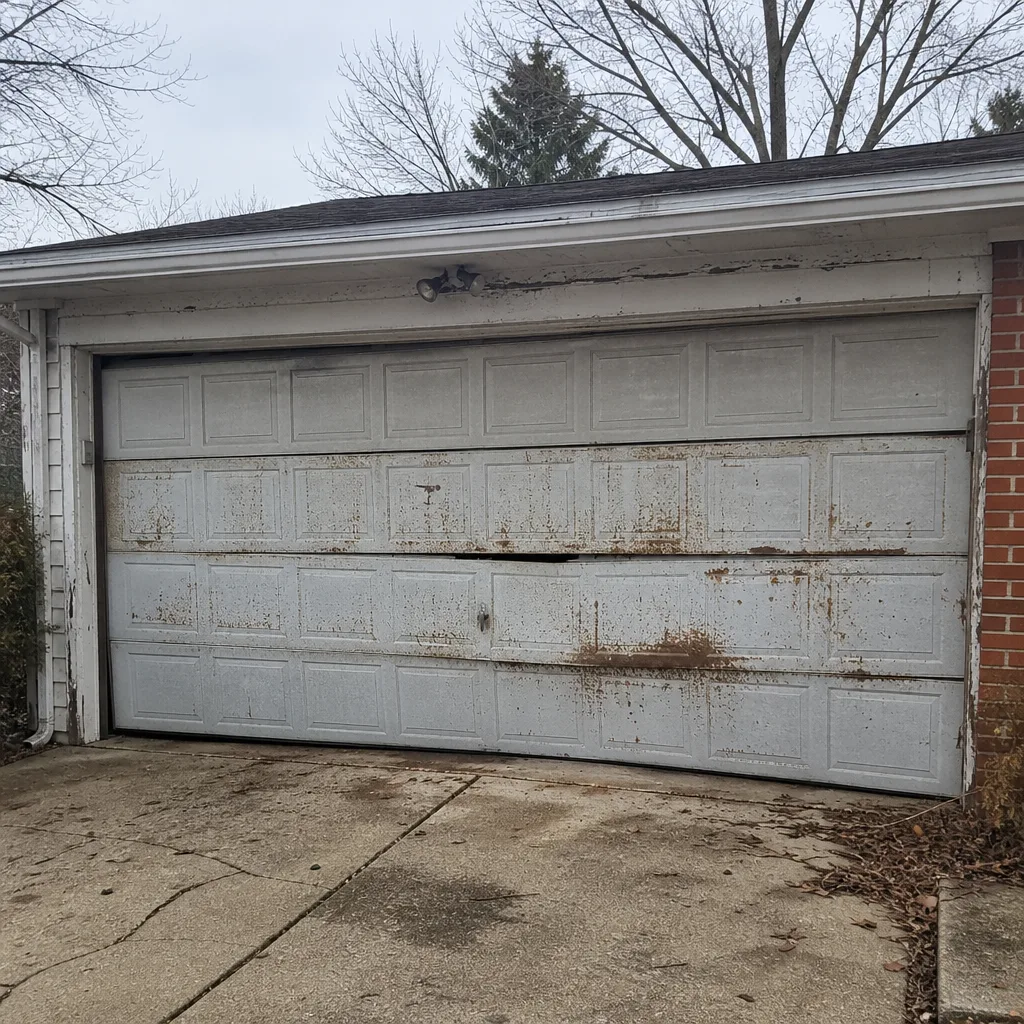
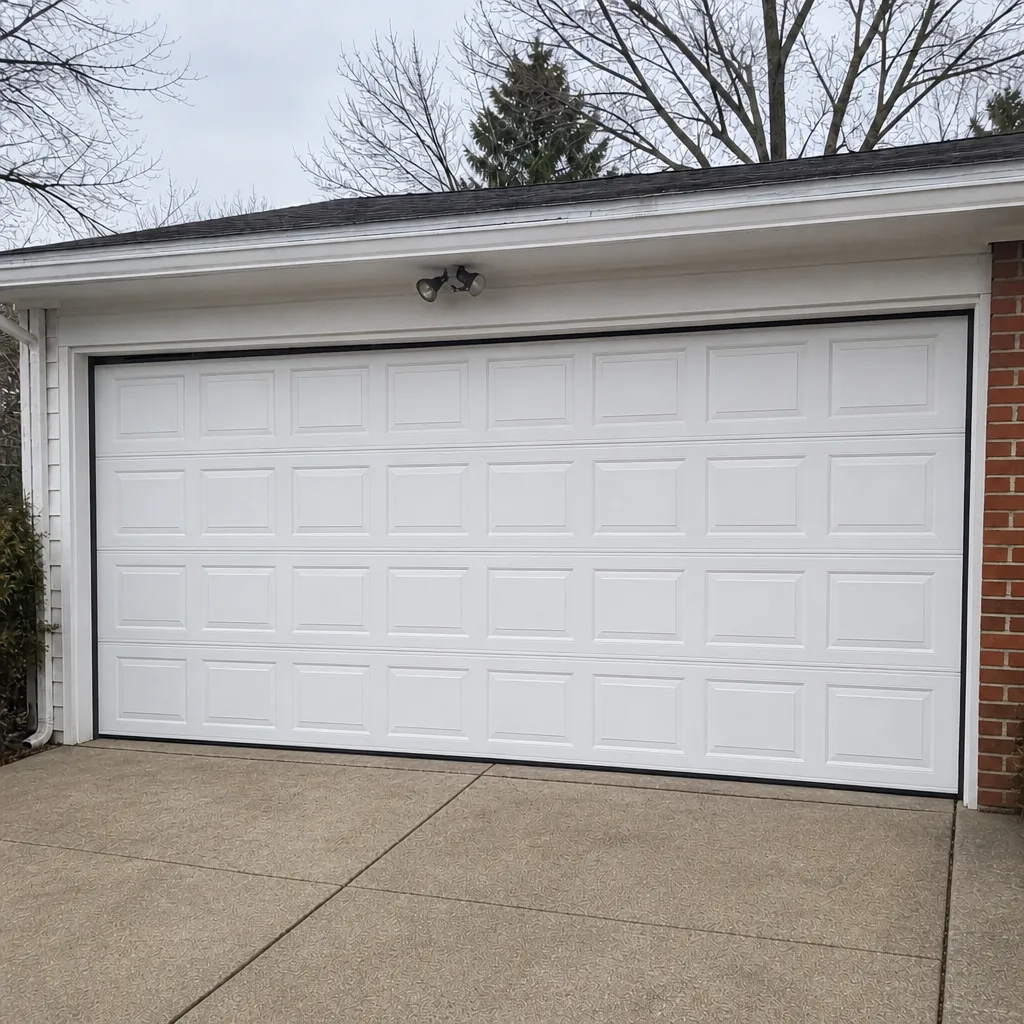
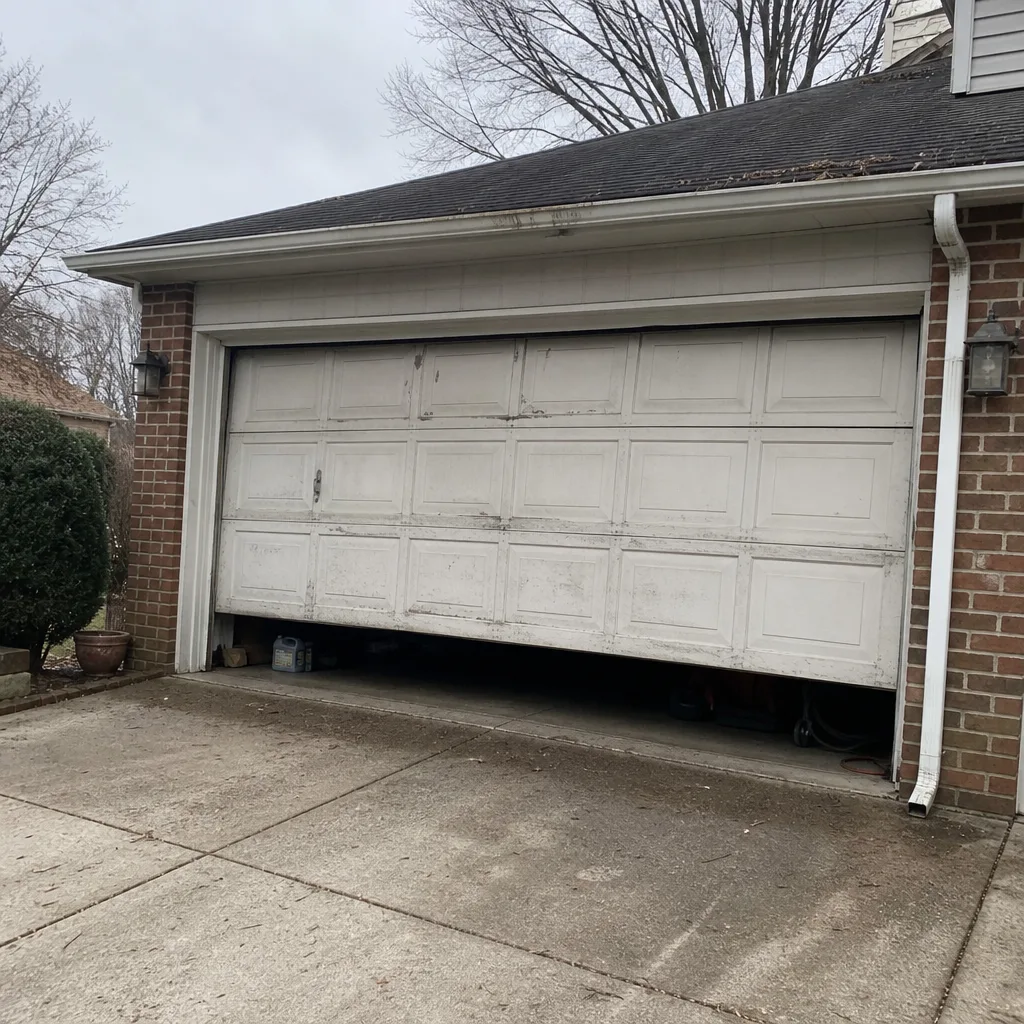
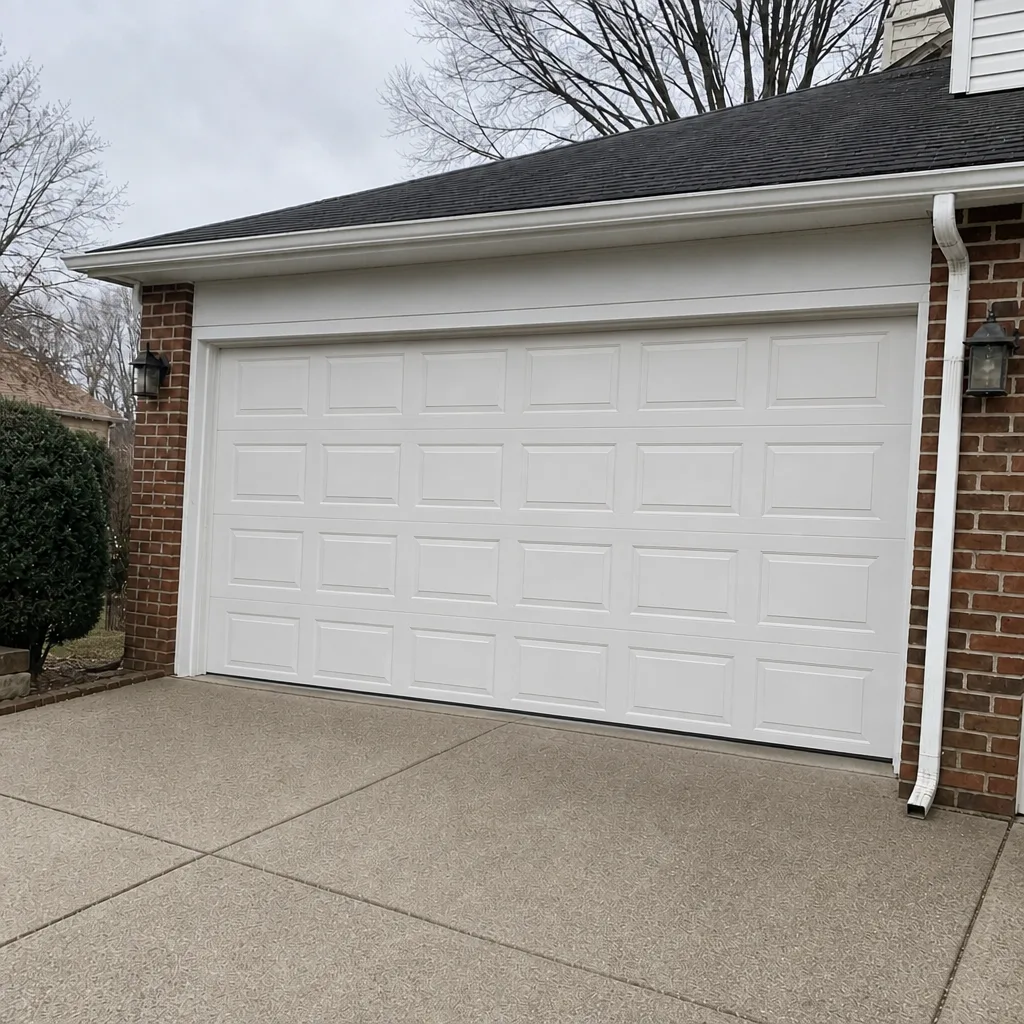
See the difference
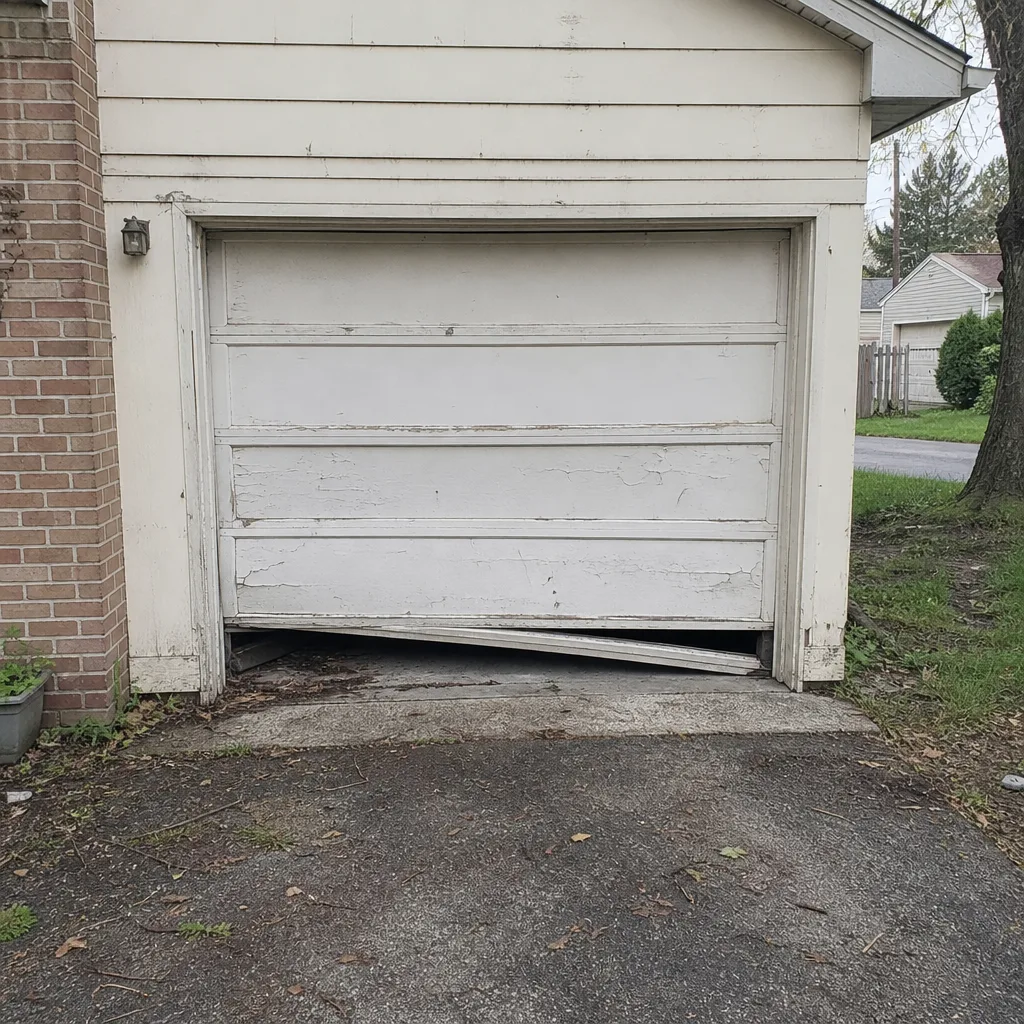 Before
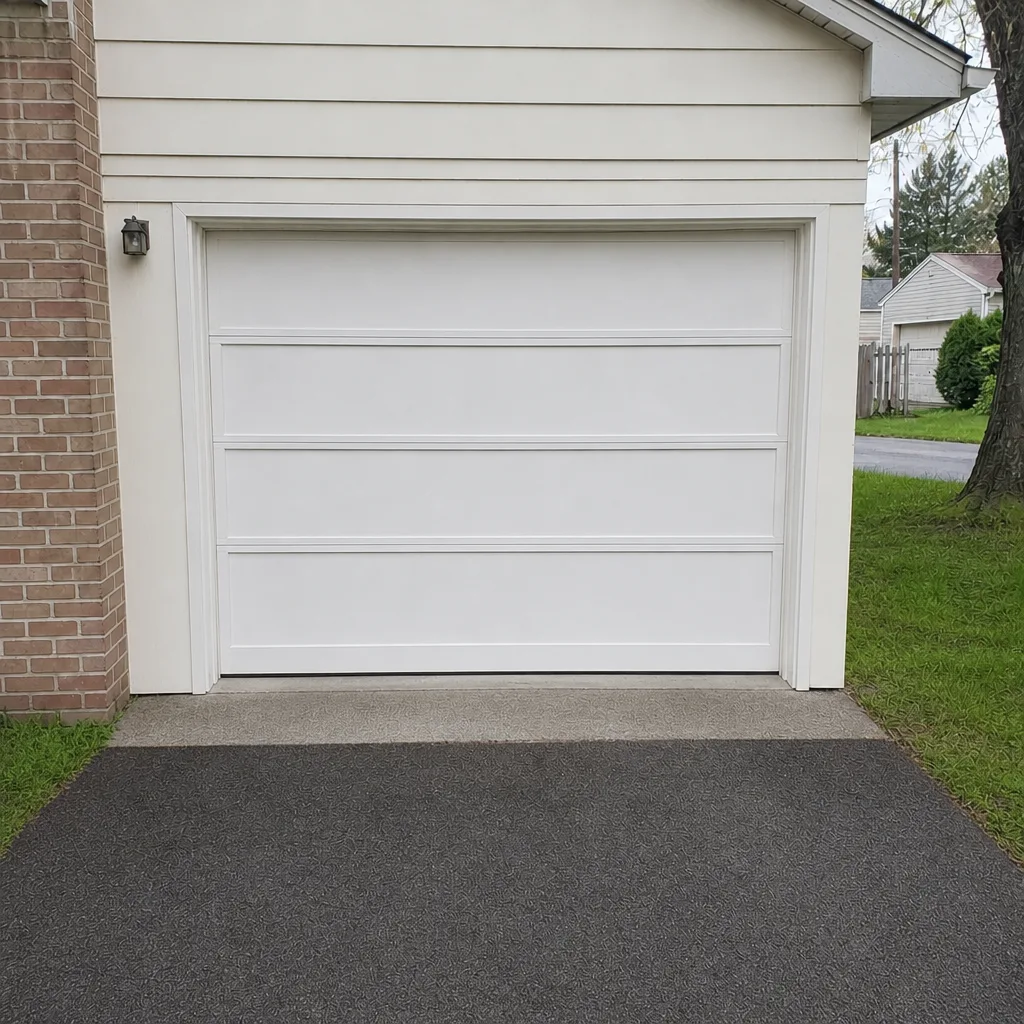 After
 Before
 After
 Before
 After
When to Call a Professional
Some door problems are obvious and urgent: a snapped spring, a door that won’t open, a cable that’s come loose, or a door hanging off its track. Others are quieter but just as worth a call: a door that reverses on its own, an opener that grinds or clicks, or a door that’s become hard to lift by hand. Any of these is a reason to bring in a professional rather than push the door until it fails completely. And if you’re locked in or out and the door can’t wait, that’s what emergency service is for: call, and we’ll get a technician moving. Rockville Garage Door Repair Pros offers free estimates in Rockville, and our technicians have up to 12 years of experience with springs, cables, openers, and full door replacements. We answer 24/7, with fast dispatch from 7am to 7pm, Sunday through Friday. Call (833) 468-3480.
Frequently Asked Questions
A single spring repair is usually a one- to two-hour job once the technician has the right part in hand, and a matched pair takes a little longer. Because spring work is safety-critical, the technician will test the door’s balance and travel before finishing. Call (833) 468-3480 for an exact quote, and the estimate is free.
We work on the eight most widely installed residential brands: LiftMaster, Chamberlain, Genie, Clopay, Amarr, Wayne Dalton, Craftsman, and Raynor. That covers both modern Wi-Fi openers and older mechanical units, so you don’t need to switch brands to get service. Call (833) 468-3480 and tell us what you have.
No, the written estimate sets the price, and it’s quoted and agreed before any work starts. If we open the door and find something additional, we come back to you for written approval before doing the extra work. Call (833) 468-3480 for a free estimate.
The local pro we connect you with is licensed and insured as their state requires, and in Maryland that means a current MHIC license. We always encourage you to verify the license yourself through the MHIC lookup before work begins. Call (833) 468-3480 with any questions about credentials.
Same-day service is often possible for repair and emergency calls, and emergency garage door service is a standing offering, not an exception. Call (833) 468-3480. We answer 24/7, with fast dispatch from 7am to 7pm, Sunday through Friday; a call outside dispatch hours is booked into the next opening. We’re closed Saturday.
Most cities require a permit for a structural or full door replacement, so ask Rockville’s building department directly before the job is scheduled. Permit rules vary by the scope of work, and a reputable contractor will work with you on the permit question as part of the written scope. Call (833) 468-3480 for a free estimate on the work itself.
The Bottom Line
Hiring a garage door contractor in Rockville comes down to a handful of checks. Verify the MHIC license, ask the five questions that separate specialists from generalists, and insist on an itemized written quote that lists OEM, aftermarket, or reconditioned parts. Read the scope of work for a replacement and make sure the change process is in writing. The specialist who answers all of that clearly, services your existing brand, and puts the parts list on paper is the one to hire. From a broken spring to a brand-new door, that’s the standard worth holding out for. See how we work at Rockville Garage Door Repair Pros, and call for a free estimate.
Contact
Ready to get your garage door sorted? Call (833) 468-3480 for a free estimate. We answer 24/7, with fast dispatch from 7am to 7pm, Sunday through Friday. A specialist who services your brand will diagnose the problem, give you an upfront price in writing, and agree it with you before any work starts.
Written by the team at Rockville Garage Door Repair Pros.