
Last updated November 23, 2026
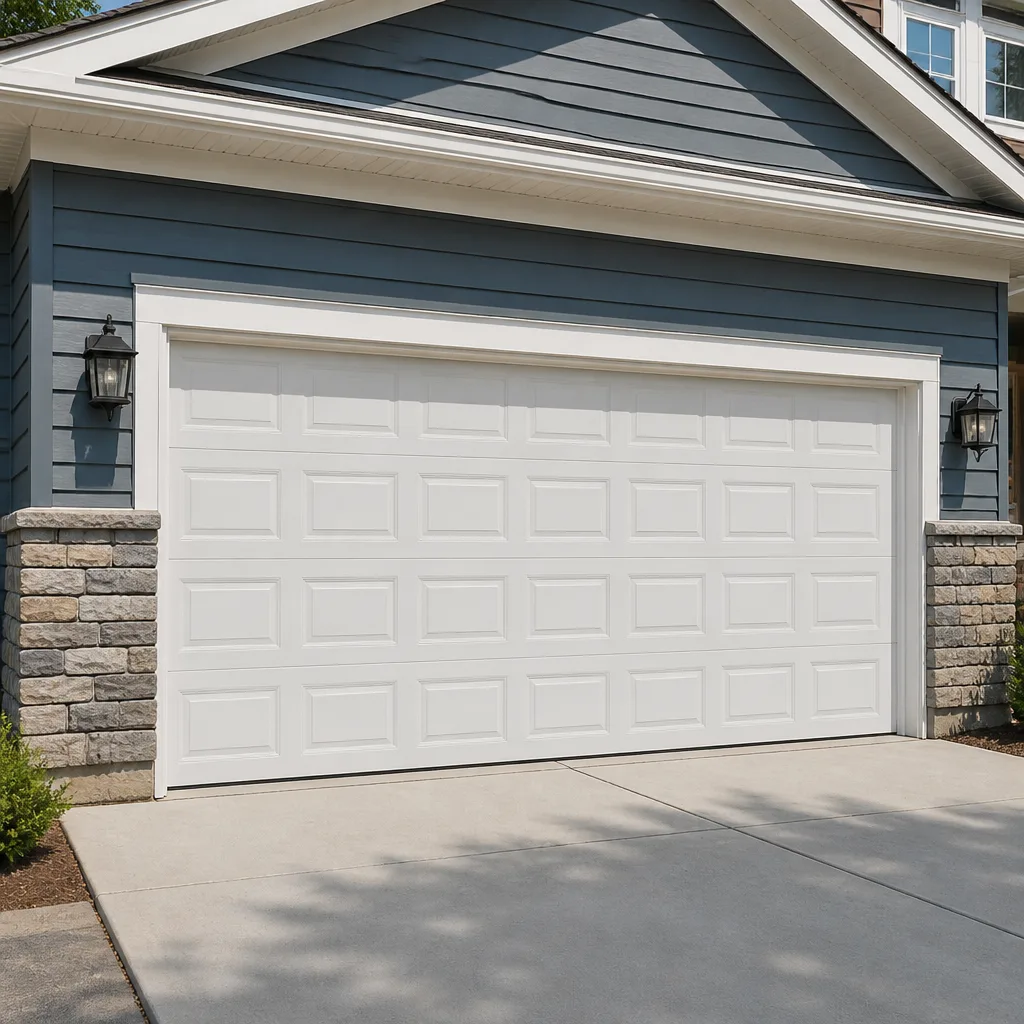 Raised-panel steel
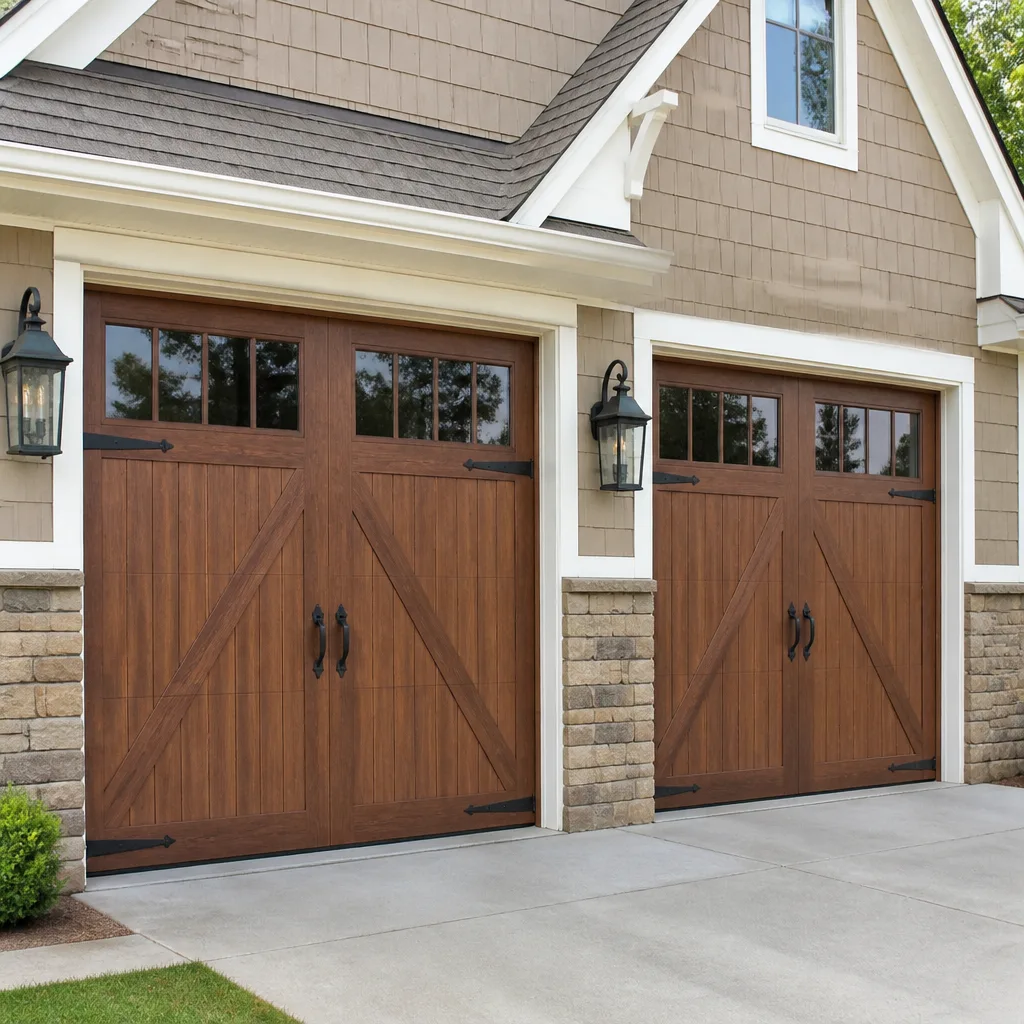 Carriage house
 Modern flush
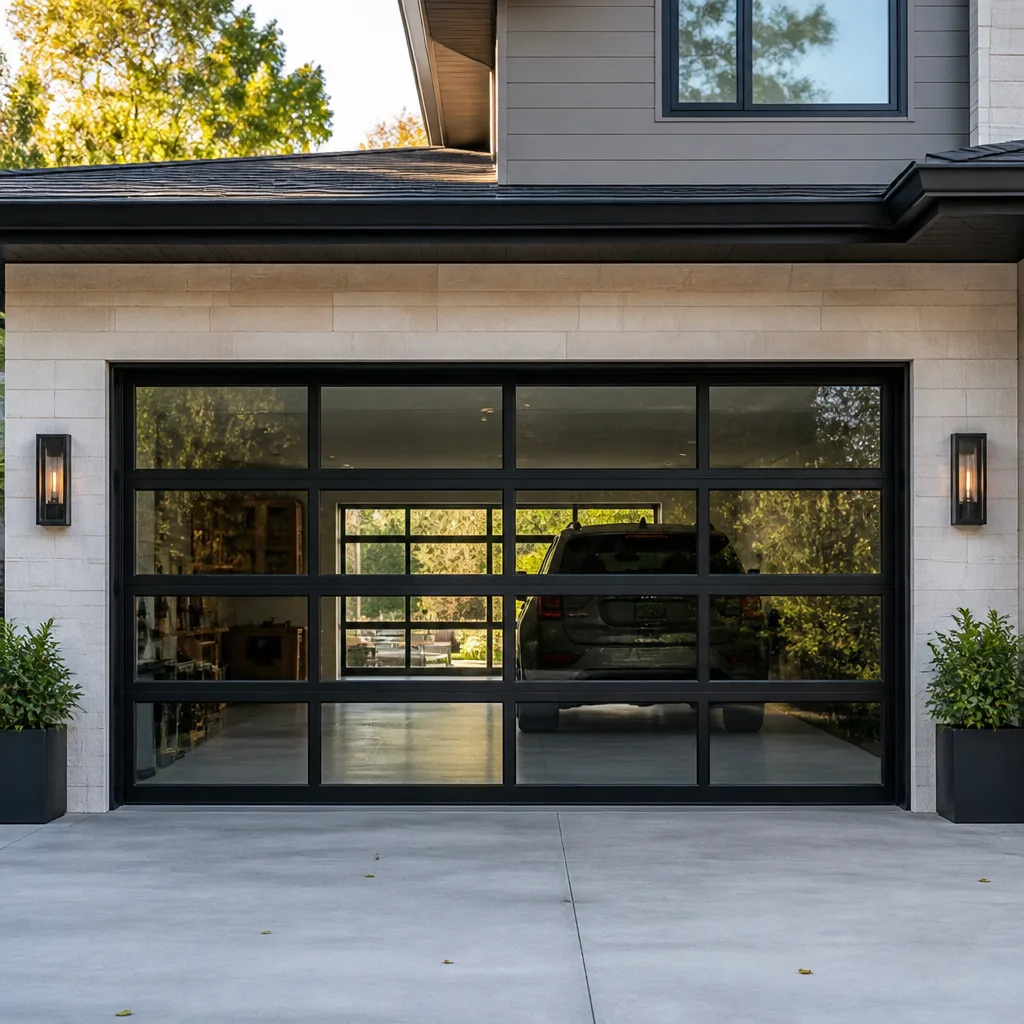 Full-view glass
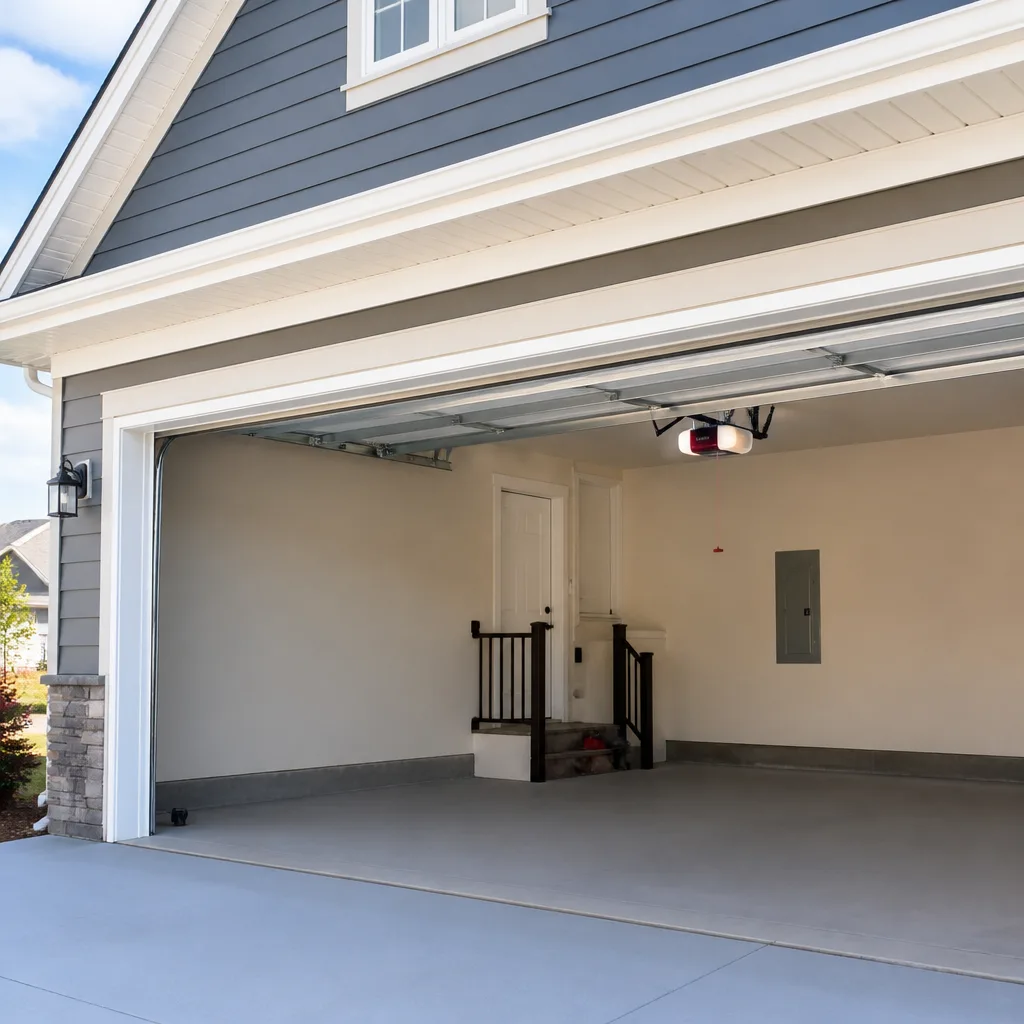 LiftMaster openers
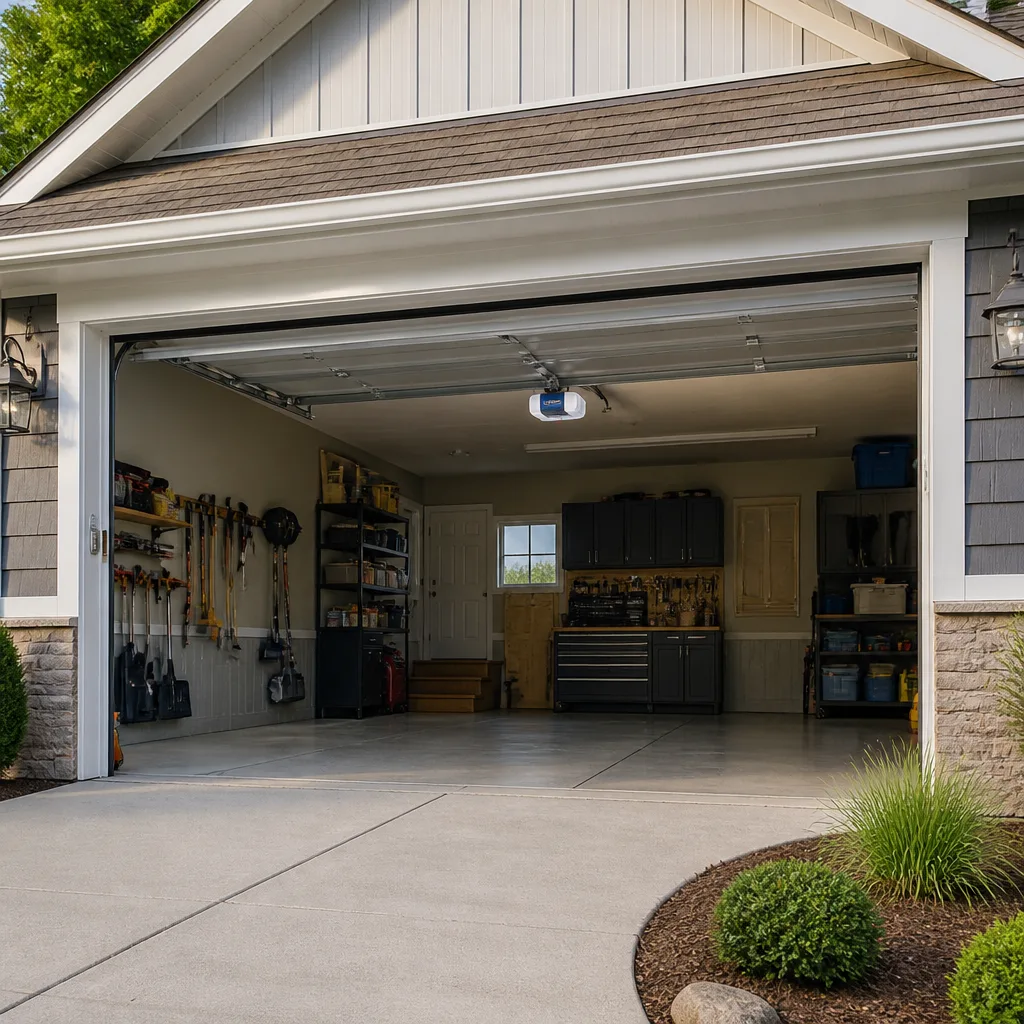 Chamberlain openers
Full 25-point door and opener safety check with every visit - springs, cables, rollers, tracks, and your LiftMaster or Chamberlain opener included
You get a price before we start. It does not change when the pro arrives.
Get your free estimateGarage Door Permits, Codes & Inspections in Rockville, MD: What You Need to Know
A garage door swap seems like a straightforward home improvement – until it surfaces on a home sale inspection as an unpermitted alteration and stalls your closing. Here’s the part most Rockville homeowners miss: whether your door replacement needs a building permit depends on the scope of the work, not the size of the receipt. A like-for-like door swap and a structural change to the opening are treated differently under Montgomery County code, and the difference matters years later when a buyer’s inspector starts asking questions. This guide walks through when a permit is required in Rockville, what an inspection actually checks, how wind-load rules apply to your spec sheet, and how to keep the paperwork clean from day one.
Quick Answer
In Rockville and the rest of Montgomery County, replacing a garage door in the same opening with a like-for-like unit is generally treated as maintenance and often does not require a building permit, while a structural change – widening the opening, altering the header, changing the door type in a way that affects framing or load – typically does. Because requirements can shift with the scope of work and the age of the structure, always confirm with the Montgomery County permitting office before work starts. Wind-load ratings, opener circuit wiring, and HOA architectural review are separate questions that can trigger their own requirements.
Styles & brands we work with
- Raised-panel steel
- Carriage house
- Modern flush
- Full-view glass
- LiftMaster openers
- Chamberlain openers
Table of Contents
- When Does a Garage Door Replacement Need a Permit in Rockville?
- Wind-Load Requirements and What “Windcode Compliant” Actually Means
- What a Montgomery County Rough Inspection Checks
- Opener Circuits and Electrical Rough-In
- HOA Architectural Review: A Parallel Track, Not the Same as a Permit
- How Unpermitted Door Work Surfaces in a Home Sale
- Running the Process Step by Step
- Repair vs. Replacement: Which Triggers Paperwork
When Does a Garage Door Replacement Need a Permit in Rockville?
Most homeowners assume any garage door work is either fully permitted or fully exempt. The reality is more granular, and the dividing line is whether the work changes the structure of the opening. A door replacement that keeps the existing opening dimensions, header, and track configuration is usually classified as like-for-like maintenance. A job that touches framing, changes the opening size, or alters the load path on the header generally falls into permitted territory.
In Rockville, that distinction plays out across every housing stock in the city – the older colonials near Rockville Town Center, the mid-century ranches out toward Twinbrook, the newer construction along the Rockville Pike corridor. Older homes are more likely to have headers that were sized under earlier code cycles, and a door change that adds weight or changes the door type can push the work into permit territory. Newer homes often sit in subdivisions where the original door matched a specific wind-load rating, which brings its own rules.
Here’s the practical way to think about it:
- Same opening, same size, same general door type: usually maintenance, permit typically not required.
- Opening widened or shortened: almost always requires a permit, and often a structural review.
- Header modified or replaced: requires a permit.
- Door weight or type changed significantly: check with the county, since load on the header changes.
- New opener circuit added where none existed: electrical permit territory, separate from the door itself.
We always recommend calling the Montgomery County permitting office with the specific scope before assuming an exemption. It takes ten minutes and saves the kind of headaches that show up at a home sale years down the road. If you’re planning work and want to know what a typical job looks like on the installation side, our garage door installation page covers the sequence.
Wind-Load Requirements and What “Windcode Compliant” Actually Means
Garage doors are the largest opening in the exterior envelope of a typical Rockville home, which is why the International Residential Code treats them as a wind-load concern rather than just a convenience feature. A garage door that fails under wind pressure can compromise the entire structure, so the code assigns wind-load requirements based on the design wind speed for the area. “Windcode compliant” on a spec sheet means the door assembly – panels, track, reinforcement, and anchoring – has been tested or engineered to withstand a stated design pressure.
What most homeowners don’t realize is that the number on the spec sheet is not a universal rating. It’s tied to the size of the door, the design pressure for the location, and the reinforcement installed. A door that’s compliant at one width may not be at another. And a door that was compliant when the house was built may not match today’s wind-load maps if the area has been reclassified.
When you’re reading a manufacturer’s spec sheet – Clopay, Amarr, Raynor, and the other major brands all publish these – here’s what the key terms map to:
- Design pressure (DP): the pressure the door assembly is rated to resist, expressed in pounds per square foot. Higher is stronger.
- Positive and negative pressure ratings: wind pushes inward and pulls outward; both directions matter.
- Reinforcement: struts, hinges, and heavier track are part of the rated assembly. A door rated at a given DP without its reinforcement is not compliant.
- Anchoring: the rated performance assumes the door is anchored to structure that can take the load. Weak jamb framing undercuts the door’s rating.
If your home is in a Rockville subdivision built under a specific code cycle, the original door likely matched the original requirement. Replacing it with a lighter or unreinforced door can quietly drop the assembly below what the structure expects. That’s the kind of detail a permit reviewer or home inspector may flag, and it’s why we treat wind-load ratings as part of the conversation, not a footnote. For a straight repair rather than a replacement, see our garage door repair page.
What a Montgomery County Rough Inspection Checks
A rough inspection happens before the door is hung and before walls are closed up. The inspector is checking the things that will be invisible once the job is finished. If the rough inspection fails, the work stops until corrections are made, so it’s worth understanding what’s on the list before your installer schedules it.
In our experience, a Montgomery County rough inspection for garage door work focuses on three areas:
- Framing and header load. The inspector verifies that the header is sized for the opening and the door weight, that the jamb framing is plumb and square, and that any modifications to the original structure were done to plan. This is where an unapproved change to the opening gets caught.
- Rough-in electrical for the opener circuit. If a new circuit is being run for the opener, the inspector checks the wiring method, box placement, and grounding before the drywall or trim goes back. A dedicated circuit is typical; a tapped-off lighting circuit is a common flag.
- Attachment points. The inspector looks at how the track and spring system will be anchored. Torsion spring systems put significant load on the header, and the anchoring has to be engineered for it, not improvised on-site.
The rough inspection is often combined with or followed by a final inspection once the door is operational, the opener is tested, and the safety reverse features are verified. In Rockville, scheduling can add a few days to the timeline depending on inspection volume, so plan for it rather than treating it as an afterthought.
Opener Circuits and Electrical Rough-In
Garage door openers are a frequent source of permitting confusion because they sit at the intersection of two trades. The door itself is a building permit question; the electrical circuit that powers the opener is an electrical permit question. If you’re replacing an opener in an existing circuit – unplug the old, plug in the new – that’s usually maintenance. If you’re adding a circuit, moving an outlet, or upgrading to a smart opener that needs a different power setup, that’s electrical work, and it typically needs its own permit.
Rockville homes cover the full range here. Older homes in neighborhoods like Twinbrook and the West End often have openers on shared circuits with the garage lighting, which is workable but shows its age when a modern Wi-Fi opener draws more startup current. Newer construction typically has a dedicated circuit, which simplifies replacement. Whether you’re working with a LiftMaster, a Chamberlain, a Genie, or an older mechanical unit, the circuit question is the same: what’s already there, and does the new equipment need anything different?
Openers are a place where homeowners often get talked into brand changes they don’t need. If your existing system is a LiftMaster and it’s working, there’s no reason to switch brands for a repair. We work with the system you have. Our garage door opener repair page covers the diagnostics side if your current opener is misbehaving rather than being replaced.
HOA Architectural Review: A Parallel Track, Not the Same as a Permit
Here’s the trap: many Rockville homeowners assume that because their HOA approved the door color and style, the county permit question is handled. Or the reverse – they assume that because the county didn’t require a permit, no other approval is needed. Both assumptions are wrong. HOA architectural review and Montgomery County permitting are separate processes, run by separate bodies, with separate criteria, and neither substitutes for the other.
An HOA architectural review committee is typically looking at:
- Style consistency. Whether the door matches the neighborhood character – panel style, window configuration, carriage-house look versus raised-panel.
- Color. Specific paint or finish codes, not just “white” or “tan.”
- Material. Steel versus wood versus composite, and whether the material matches the original build.
- Visibility from the street. A door that faces a shared driveway or common area is held to a different standard than one screened by landscaping.
The parallel track works like this: submit the HOA architectural request with the manufacturer’s spec sheet and a photo or rendering of the proposed door, and at the same time confirm the county permit question with Montgomery County. Neither process blocks the other, and running them side by side typically saves two to three weeks versus doing them sequentially. HOAs generally want the door spec before the door is ordered, so order nothing until both approvals are in hand.
How Unpermitted Door Work Surfaces in a Home Sale
Maryland home sales include a disclosure process, and buyers increasingly pull permit history as part of due diligence. Unpermitted garage door work – especially work that altered framing or the opening – is the kind of item that shows up in a title search or a permit-history review and complicates the closing. It doesn’t usually kill the sale, but it can delay it while the seller and buyer negotiate remediation.
What does remediation actually look like? It depends on the scope:
- Determine what was done. A permit search tells you whether a permit was ever pulled. If not, a contractor or engineer documents the current state of the framing and door.
- Apply for a permit after the fact. Montgomery County allows retroactive permitting in many cases, but the work has to meet current code, which can mean upgrades that wouldn’t have been required at the time of the original installation.
- Inspect and correct. A rough and final inspection typically follow, and any corrections the inspector requires are done before the permit is closed.
- Close the permit and document it. The closed permit becomes part of the property’s history, which is what clears the flag on a future sale.
The cost and delay of retroactive permitting is almost always higher than pulling the permit at the time of the original work. That’s the practical reason to check before you install, not after. If a buyer’s inspector flags a door, we can help you understand what the door itself needs – call us and we’ll walk through the options.
Running the Process Step by Step
Here’s the sequence that works in Rockville, whether you’re replacing a single door or a matched pair:
- Measure the door and document the opening. Width, height, header size, track configuration, and the existing door’s weight. This is the input to every later decision.
- Call the Montgomery County permitting office. Describe the scope in plain language and ask whether a permit is required. Get the answer in writing or note the name of who you spoke with.
- Submit for HOA architectural review if applicable. Include the manufacturer’s spec sheet, wind-load rating, and a photo or rendering. Ask about specific color codes.
- Confirm wind-load requirements. Match the rated assembly – door, reinforcement, track, anchoring – to the design pressure for the location.
- File the permit if required. The permit application typically includes the door spec, the framing plan if the header is being modified, and the electrical plan if a new opener circuit is involved.
- Schedule the rough inspection before the door is hung. The inspector verifies framing, load path, and rough-in electrical.
- Install, then schedule the final inspection. The final covers door operation, opener function, and safety reverse.
- Keep the closed permit and the HOA approval with your home records. This is what clears the flag at a future sale.
The whole process, from initial measurement to final inspection, usually runs two to four weeks in Rockville depending on inspection scheduling and HOA turnaround. If you’d rather not manage it alone, our Rockville Garage Door Repair Pros team can help you scope the work accurately so the permit application reflects what’s actually going to be installed.
Repair vs. Replacement: Which Triggers Paperwork
Most garage door work in Rockville doesn’t touch the permit question at all. Spring replacements, cable replacement, roller and hinge swaps, opener repair – none of these change the structure of the opening, so none typically require a building permit. The permit conversation really turns on three triggers: changing the opening dimensions, altering the header, or adding a new electrical circuit.
That’s useful to know because homeowners often delay a straightforward repair assuming it comes with paperwork. It doesn’t. If you’re hearing a loud bang from the garage and your door won’t lift, that’s almost always a broken spring, and spring replacement is a same-day repair, not a permit job. Safe spring work is something we handle as a specialty – torsion and extension systems both, on any of the eight major brands we service.
The other side of the coin: if you’re considering an upgrade that changes the door’s weight, style, or window configuration in a way that alters the load on the header, get the permit question answered before you order. A door that looks like a like-for-like swap sometimes isn’t, especially when the new unit has different reinforcement or a different track layout.
Common Mistakes to Avoid
- Assuming “same size” equals “no permit.” Size isn’t the only factor – weight, door type, track configuration, and header load all matter. A same-size door in a different material can still trigger a permit.
- Pulling the HOA approval and stopping there. HOA and county permitting are separate tracks. Approval from one says nothing about the other, and skipping either creates its own problem.
- Ignoring the wind-load rating on the new spec sheet. A door that’s windcode compliant at one width may not be at another. The rated assembly includes reinforcement and anchoring, not just the panels.
- Adding an opener on a tapped-off lighting circuit. A dedicated circuit is typical, and tapping into lighting is a common inspection flag. If a new circuit is needed, that’s its own permit.
- Ordering the door before both approvals are in hand. HOAs want the spec before the door is ordered. Ordering first can mean expensive change orders if the review comes back with a color or style correction.
- Skipping the rough inspection. The rough inspection verifies framing, header load, and electrical before anything is covered up. Skipping it is what turns a small permit into a retroactive one.
- Not keeping the closed permit with home records. The closed permit is the document that clears the flag at a future sale. Lose it and you’re relying on the county’s records to be complete.
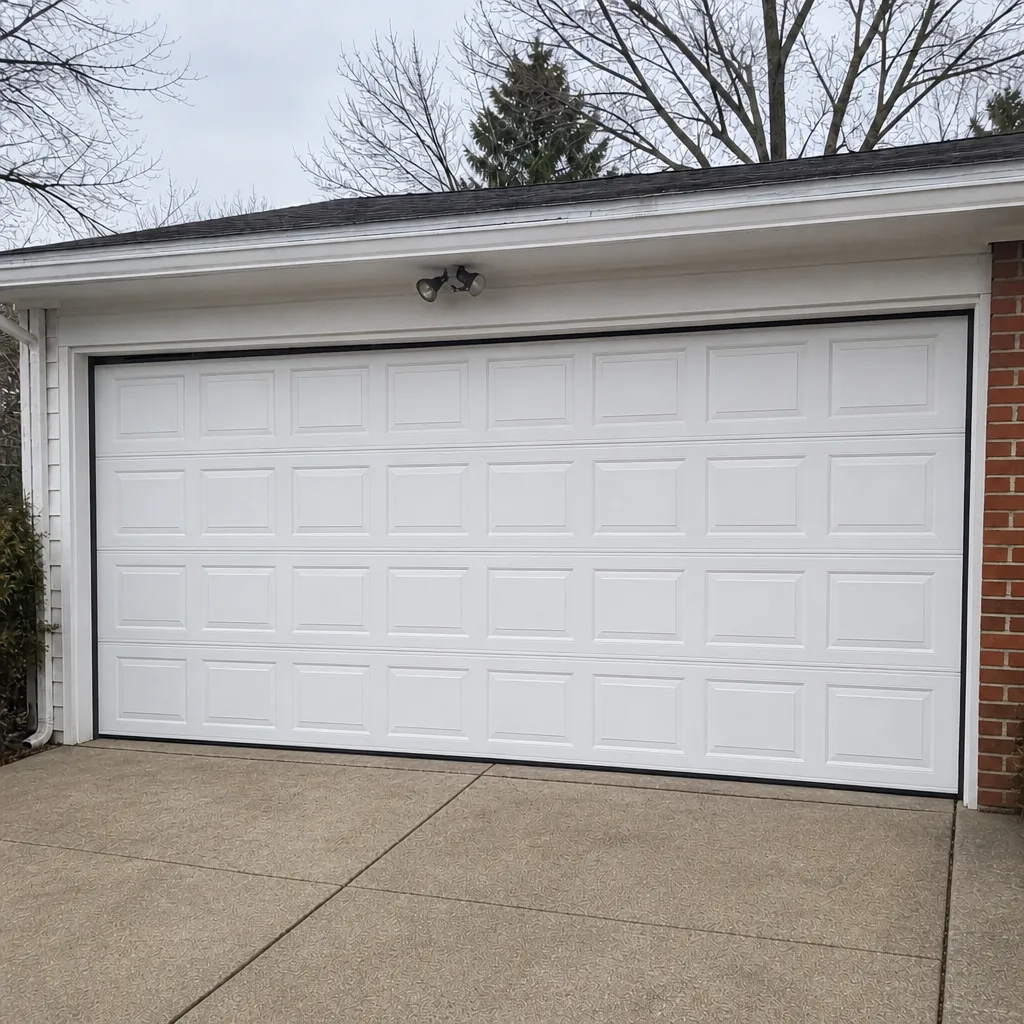
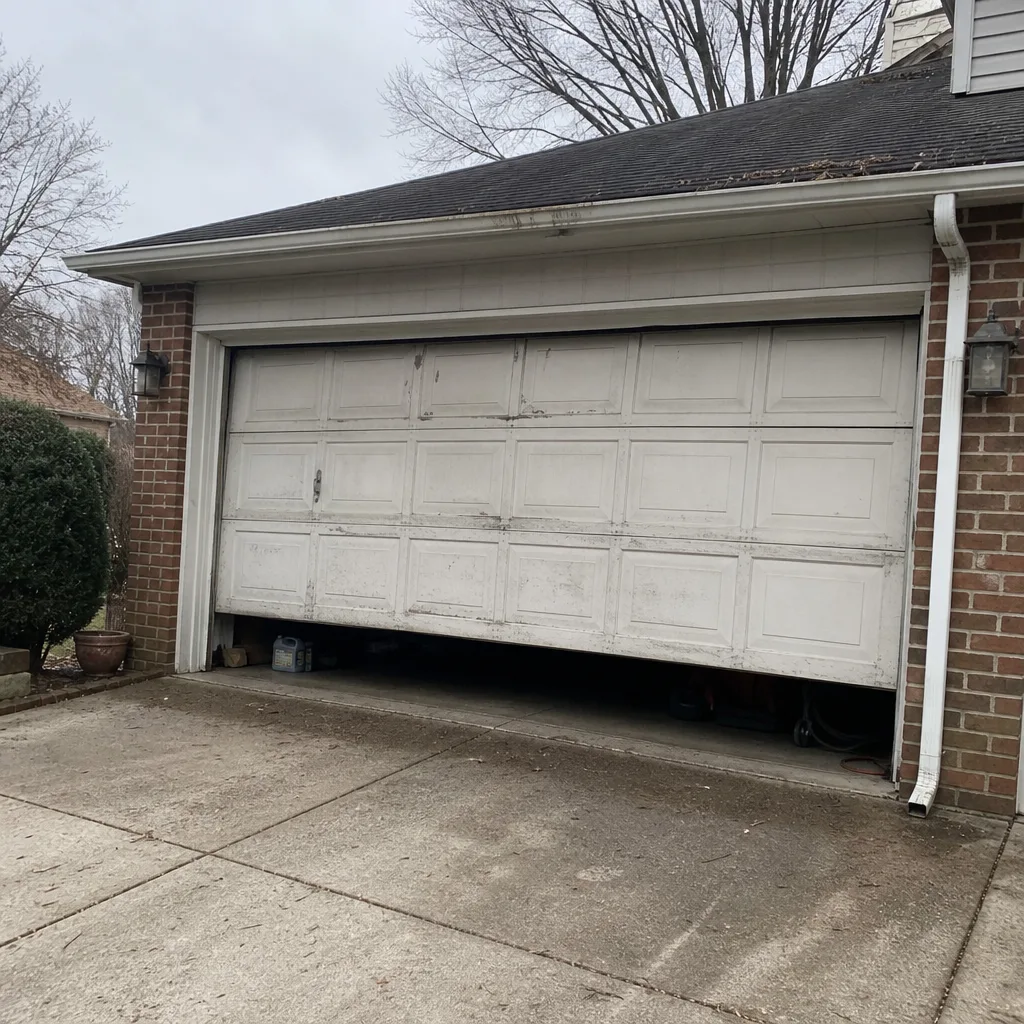
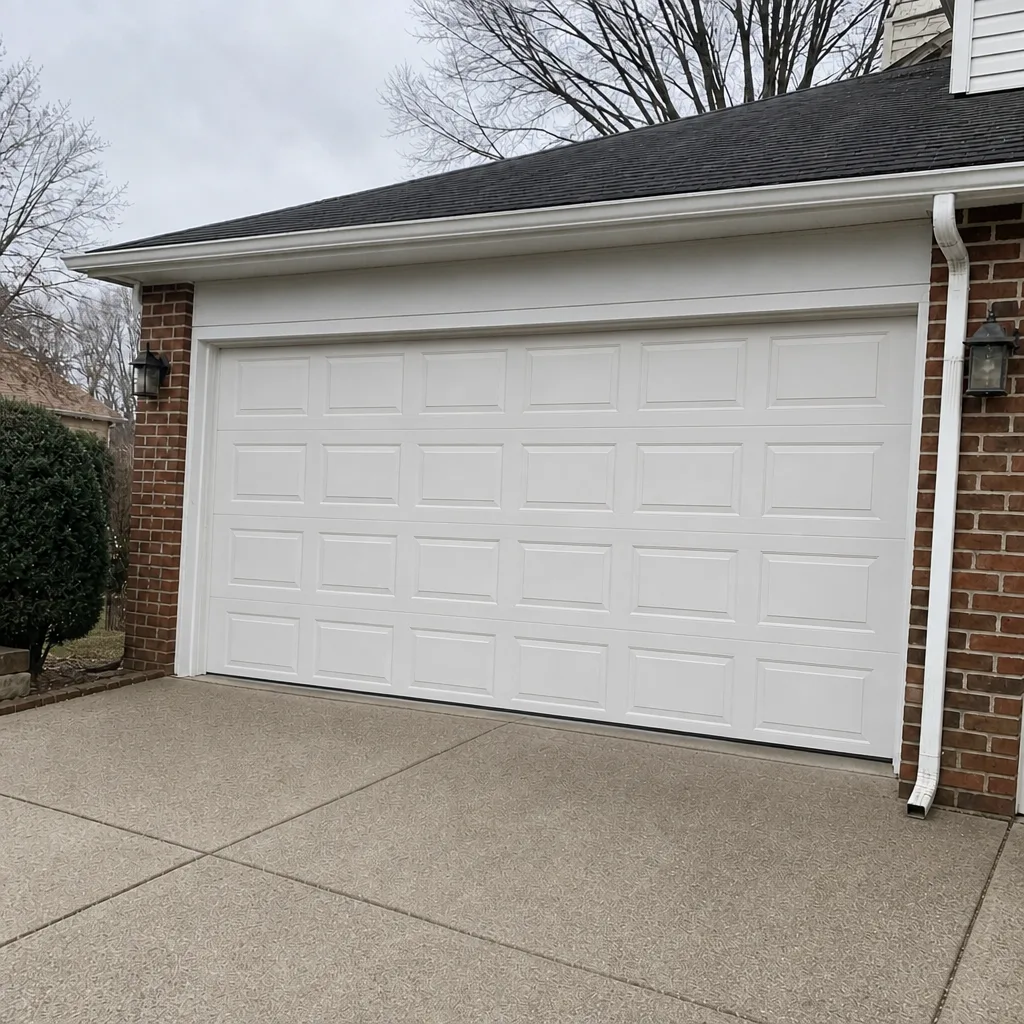
See the difference
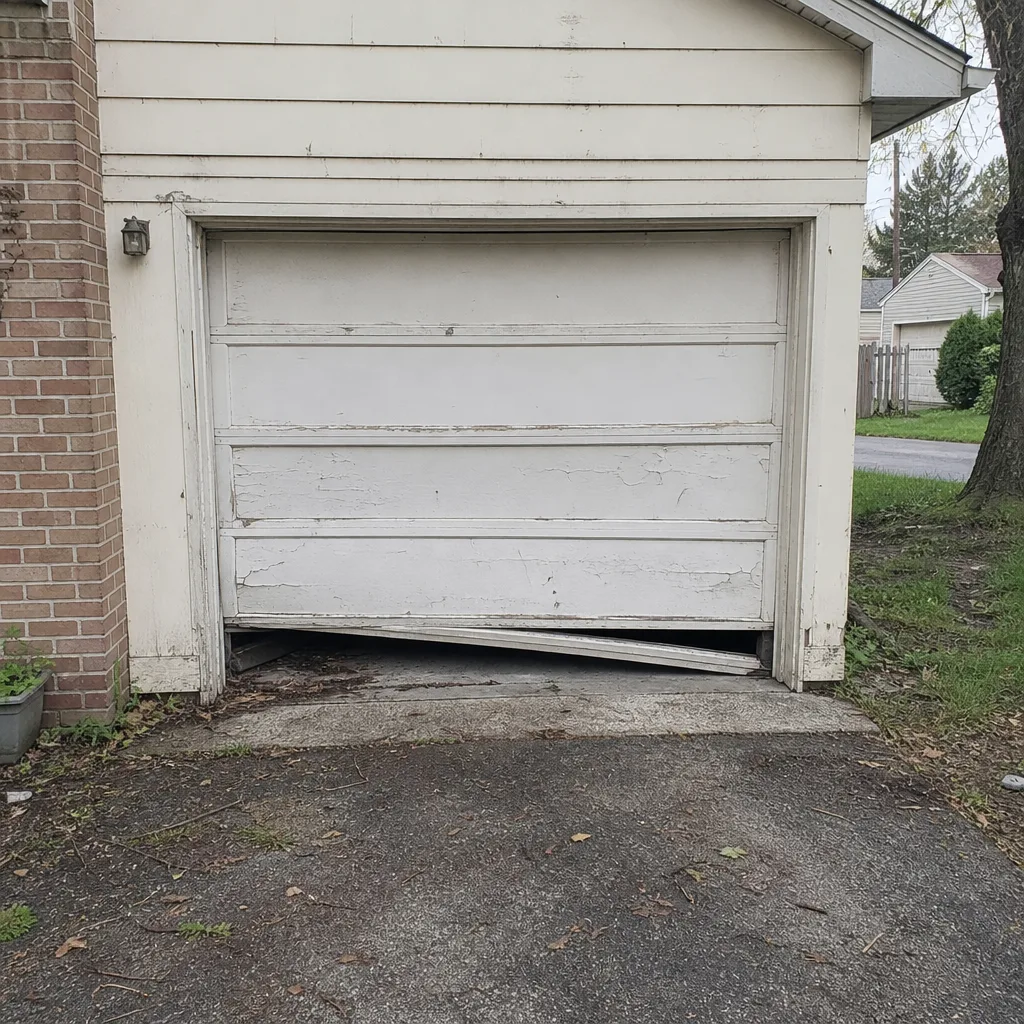 Before
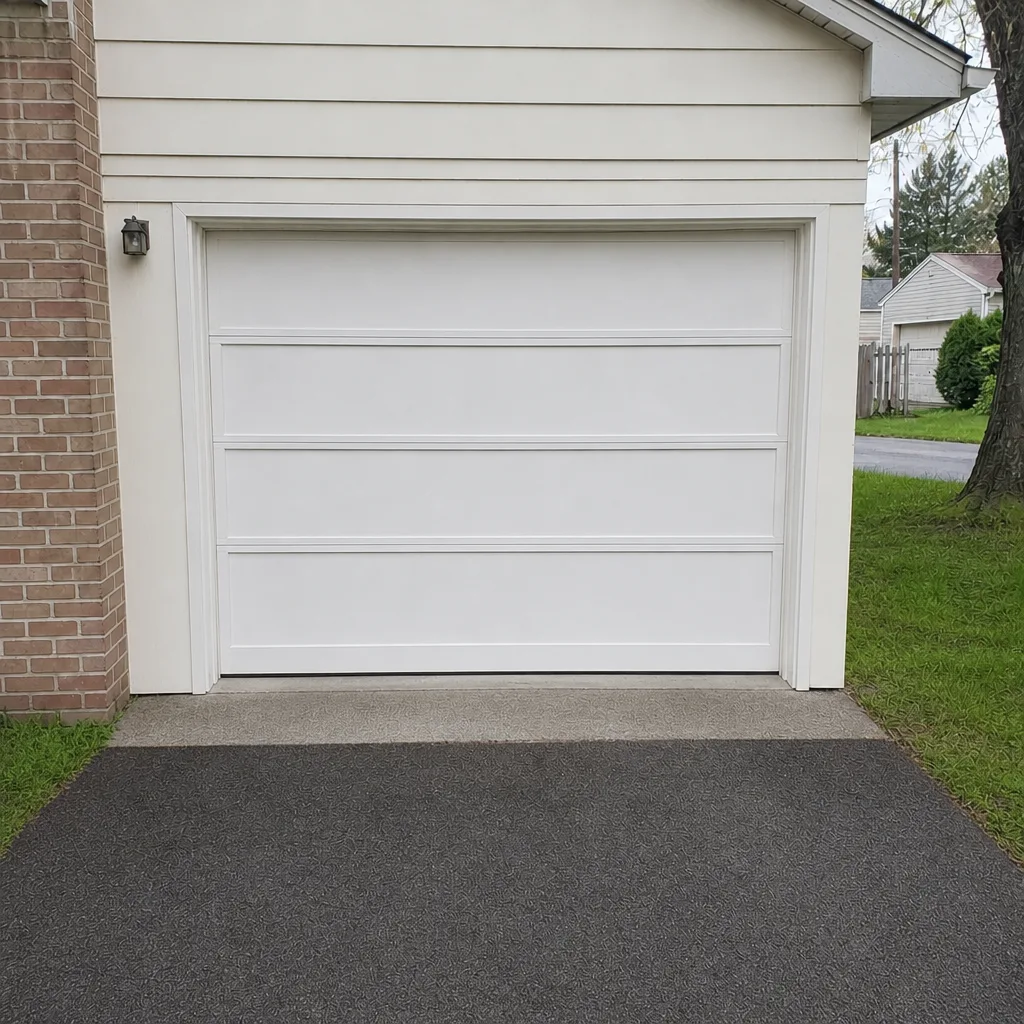 After
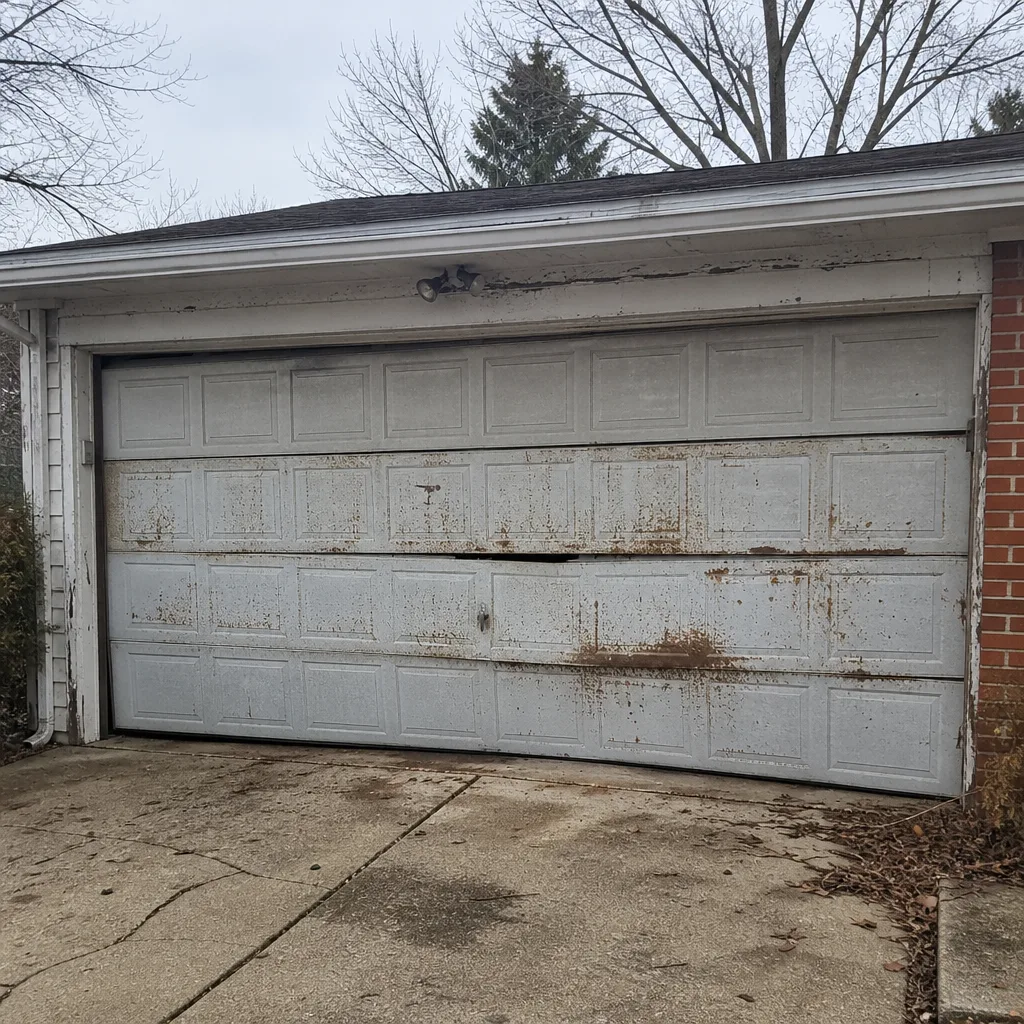 Before
 After
 Before
 After
When to Call a Professional
Some garage door work is straightforward enough to think through yourself, but several situations genuinely warrant a specialist. If your door has a broken spring – the loud bang, the door that won’t lift – call. Torsion and extension spring work is the most dangerous part of the trade, and it’s a same-day repair, not a DIY project. If your opener is failing on an older circuit and you’re not sure what’s already there, call. If you’re planning a replacement that touches the opening, call before you order, so the scope is accurate for the permit application. And if a home inspector has flagged your door during a sale, call to have the door itself evaluated so you know what remediation actually involves.
Rockville Garage Door Repair Pros offers free estimates in Rockville – call (833) 468-3480. We answer 24/7. Fast dispatch from 7am to 7pm, Sunday through Friday. Our technicians have up to 12 years of experience, and every job is quoted before any work starts.
Frequently Asked Questions
In Rockville and Montgomery County, a like-for-like door replacement in the existing opening is generally treated as maintenance and often does not require a building permit, while any change to the opening size, header, or framing typically does. Confirm the specific scope with the Montgomery County permitting office before ordering, because the answer changes with the details. Call (833) 468-3480 for a free estimate on the door work itself.
Windcode compliant means the door assembly – panels, reinforcement, track, and anchoring – has been rated to resist a specific design pressure for the location. The rating is tied to the door size and the reinforcement installed, so it isn’t universal across sizes. Ask your installer to match the rated assembly to the design pressure for your Rockville address, and call (833) 468-3480 with questions.
A rough inspection verifies framing and header load, the rough-in electrical for the opener circuit, and the attachment points for the track and spring system – all before the door is hung and before walls are closed. If a framing change or new circuit is part of the job, the rough inspection is where it gets reviewed. Call (833) 468-3480 for a free estimate if a framing or electrical question is holding up your project.
No. Spring replacement doesn’t change the structure of the opening, so it doesn’t trigger a building permit. It is a same-day repair, and it’s the most safety-sensitive work in the trade. Call (833) 468-3480 for a free estimate.
Yes. Maryland home sales include a disclosure process, and buyers increasingly pull permit history during due diligence. Unpermitted structural changes to the opening can delay a closing while remediation is worked out. If a door is flagged, call (833) 468-3480 and we’ll evaluate the door itself.
No. HOA architectural review and Montgomery County permitting are separate processes with separate criteria, and neither substitutes for the other. Run them in parallel to save time. Call (833) 468-3480 for a free estimate on the door work.
The Bottom Line
Permits and codes aren’t the exciting part of a garage door project, but they’re the part that matters at resale. In Rockville, the key question is whether your work changes the structure of the opening – the header, the framing, the size – or simply replaces the door in a like-for-like swap. Wind-load ratings, opener circuits, and HOA review are the other tracks that run alongside the permit question, and doing them in parallel keeps the timeline reasonable. Confirm the scope with Montgomery County before you order, keep the closed permit with your home records, and if a door is flagged during a sale, call us to evaluate the door itself. Doing the paperwork at the start is what keeps the closing clean at the end.
Written by the team at Rockville Garage Door Repair Pros.