
Last updated November 23, 2026
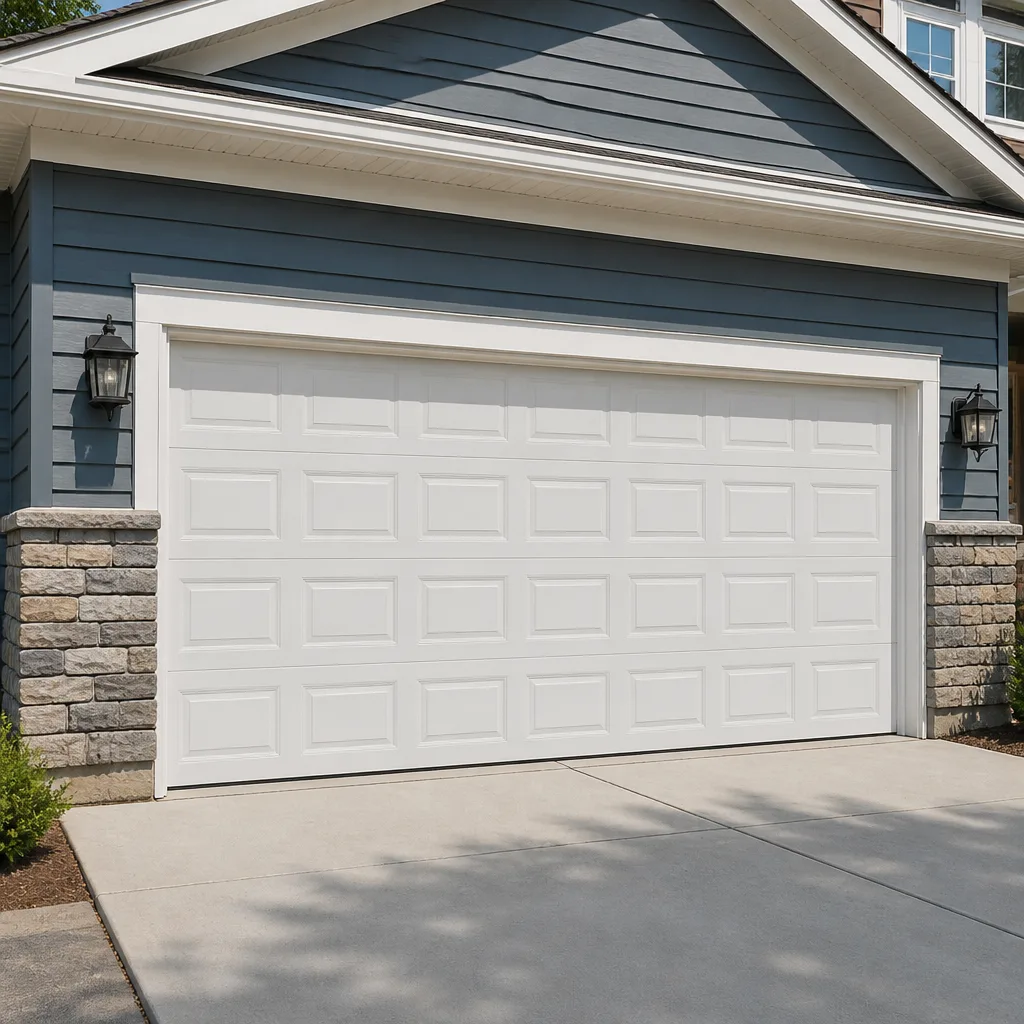 Raised-panel steel
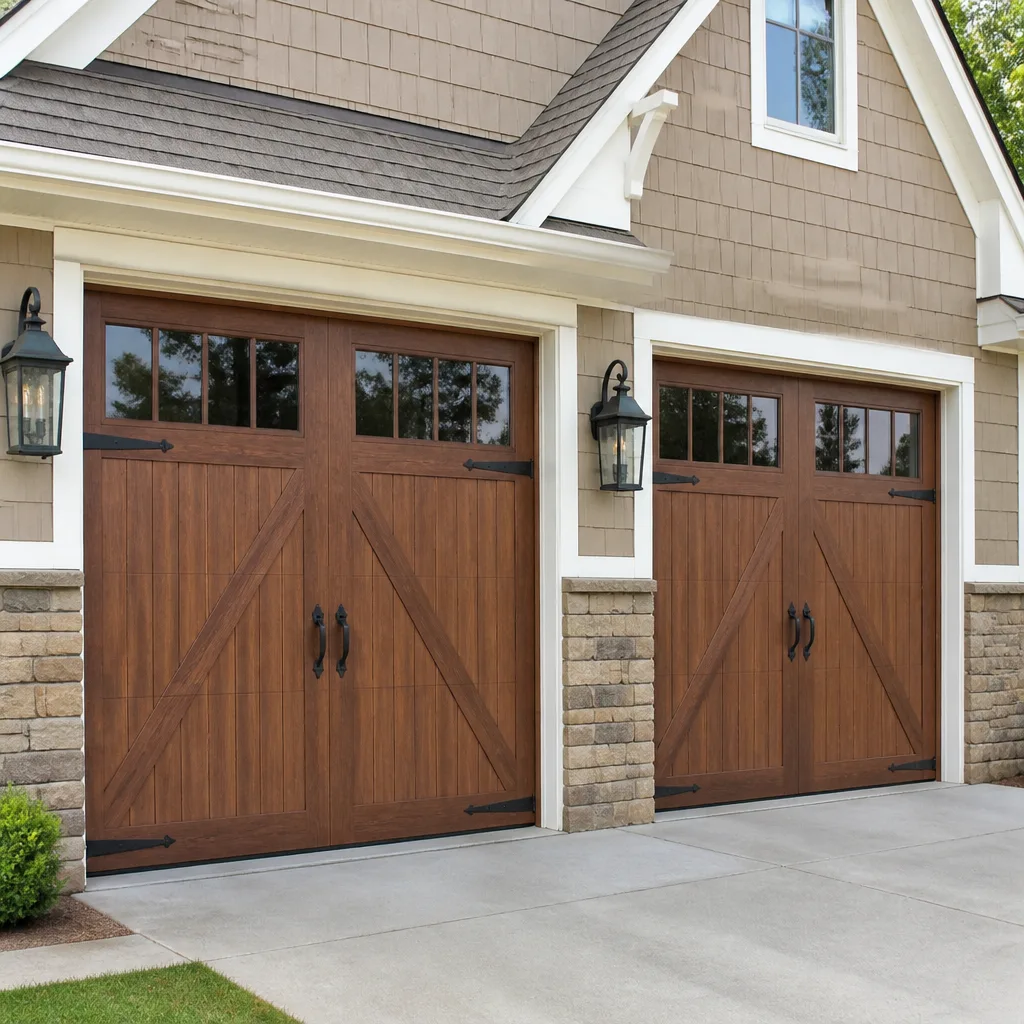 Carriage house
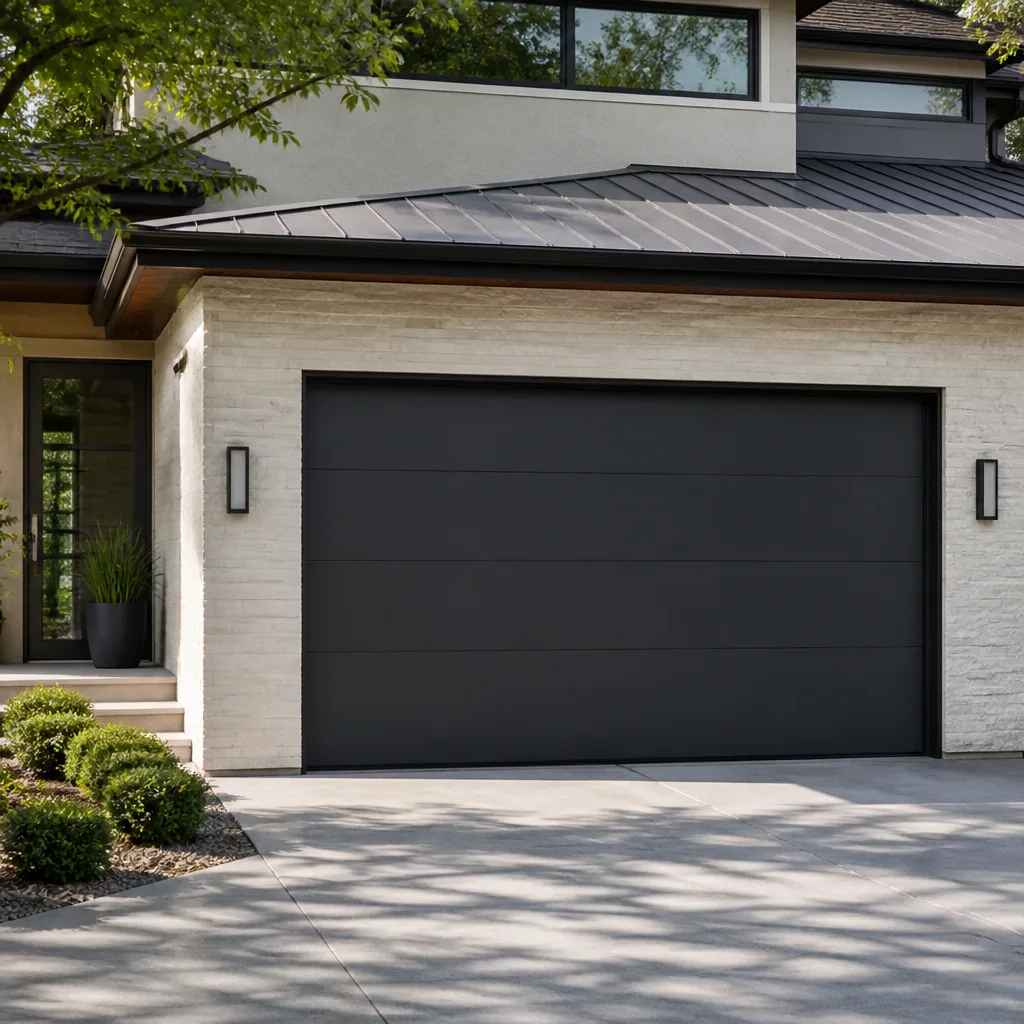 Modern flush
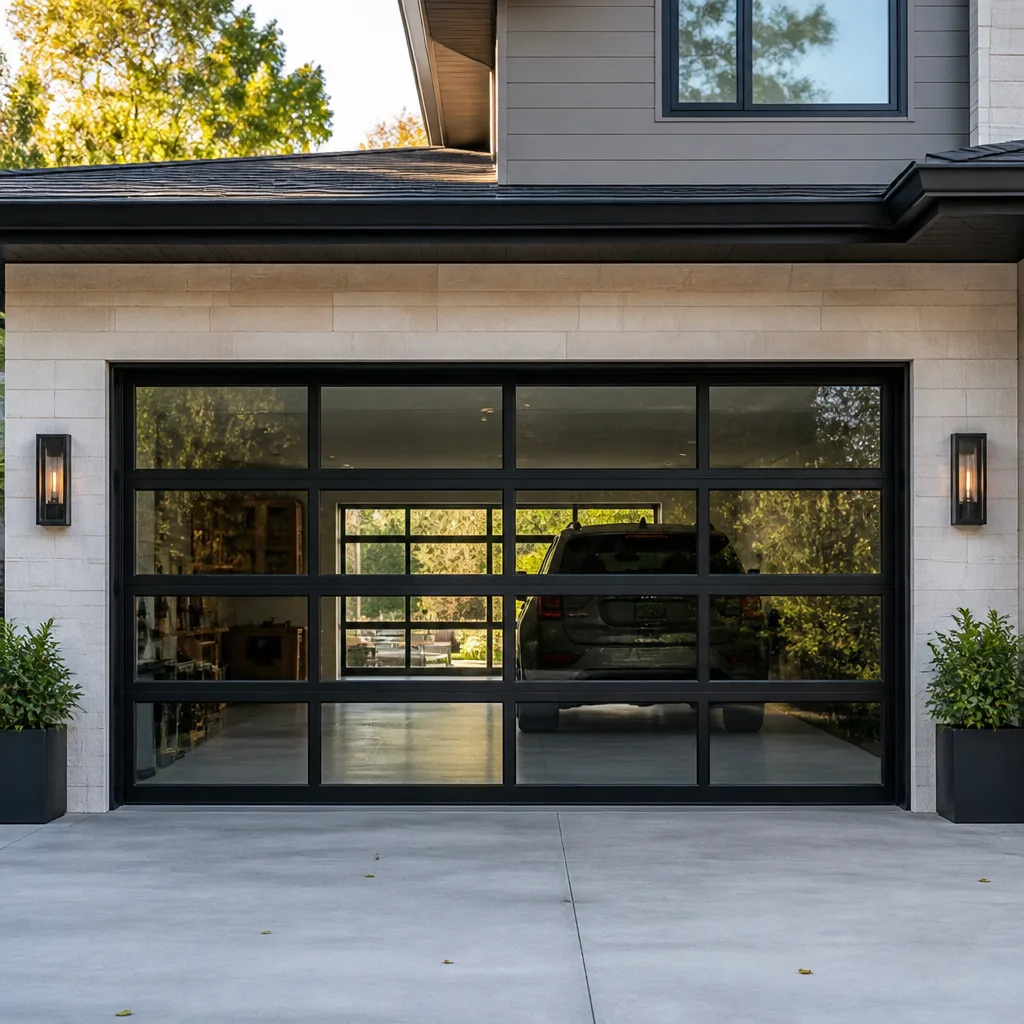 Full-view glass
 LiftMaster openers
 Chamberlain openers
Full 25-point door and opener safety check with every visit - springs, cables, rollers, tracks, and your LiftMaster or Chamberlain opener included
You get a price before we start. It does not change when the pro arrives.
Get your free estimateGarage Door Emergency Preparedness Guide for Rockville Homes
Most Rockville homeowners have a fire extinguisher and a flashlight, but no plan at all for the door their car lives behind. That’s the gap we want to close here. What gets people into trouble isn’t the broken spring itself. It’s the ninety minutes of searching and second-guessing that happens before anyone makes the call. When the door won’t open and the car is trapped inside, or the door sits open all night, the panic comes from not knowing what kind of emergency you’re in. Weather, mechanical failure, security: each one demands a different first move. This guide walks you through all three, plus the exact information that speeds up a call and the manual steps most people get backwards. Ten minutes of reading now saves you real time later.
Quick Answer
A garage door emergency in Rockville falls into one of three buckets: a weather event, a mechanical failure like a snapped spring or dead opener, or a security compromise from a forced or stuck door. Each one has its own immediate response. Weather means securing the door and staying clear; mechanical failure means stop using the door and call a specialist; a security breach means document, notify, and get the opening closed. Either way, call (833) 468-3480. We answer 24/7, dispatch runs 7am-7pm Sunday through Friday, and estimates are free.
Styles & brands we work with
- Raised-panel steel
- Carriage house
- Modern flush
- Full-view glass
- LiftMaster openers
- Chamberlain openers
Table of Contents
- The Three Kinds of Garage Door Emergency
- Power Outage: The Manual Release Sequence
- Severe Weather Protocol for Rockville Doors
- Security Breach Response and Documentation
- Information to Have Ready Before You Call
- Temporary Fix vs. Complete Repair
- Why Springs Are the Most Dangerous Failure
- Common Mistakes to Avoid
The Three Kinds of Garage Door Emergency
Not every “my door won’t open” call needs the same urgency, and sorting it into the right category is the first thing a trained technician does. Getting that right on your end means less time on the phone and a faster path to the repair. Rockville homes face all three types regularly, and each has a signature.
Weather events. A door left open or damaged as a storm moves through exposes everything inside to water and wind. The door itself can distort under pressure, and the tracks can bend when something heavy drives into them. The response is to secure the opening and inspect before you run the opener.
Mechanical failure. This is the largest category. A torsion spring snaps, an extension spring lets go, a cable frays, an opener motor dies, or a roller jumps the track. The door may drop, stop halfway, or refuse to budge. Mechanical failures are the most common reason Rockville homeowners call for emergency service, and the correct first move is always the same: stop operating the door and don’t force it.
Security compromise. Someone has forced the door, or a fault has left it open when it should be closed. The priority here is closing the opening and documenting what happened, not diagnosing the mechanism.
Knowing which category you’re in tells you whether you’re dealing with an inconvenience or a real risk. It also tells the person on the phone what kind of help to send. Classify first, then call.
Power Outage: The Manual Release Sequence
When the power goes out in Rockville, a surprising number of doors get damaged by the release cord used wrong, not by the outage. The sequence matters and the order is easy to get backwards. Here’s the correct one.
Before you pull anything
Stand at the door and look at it. If the door is partially open with the spring broken, or the door looks crooked, do not pull the release. A door with a failed spring can drop hard and fast the moment you disengage it. That’s a genuine hazard, and it’s the reason spring work belongs in trained hands.
The release sequence
- Close the door fully if it will travel. Most doors only release safely in the closed position.
- Locate the emergency release cord, the red or metal T-handle hanging from the trolley on the opener rail. Pull it straight down and toward the door. That disengages the trolley from the carriage.
- Test the door gently by hand. It should lift with steady pressure. If it feels heavy, binds, or slams back down, stop and re-engage the trolley. Something else is wrong.
- Lift the door by hand and hold it. If it won’t stay up on its own, prop it securely or leave it closed. Do not stand under a door that isn’t holding.
- After power returns, re-engage the trolley by lifting the door until it clicks back onto the carriage, then test the opener through one full cycle.
Two common errors: pulling the release with the door open (which can let it fall), and forgetting to re-engage the trolley, then wondering why the opener runs and the door doesn’t move. If the door needs more than light hand pressure to lift, that’s a spring or balance problem, and it’s a job for a specialist, not a workaround. Call (833) 468-3480 and we’ll sort out whether it’s a repair you can schedule or something that needs emergency attention.
Severe Weather Protocol for Rockville Doors
“Close the door before the storm hits” is the advice everyone hears, and it’s incomplete. A door closed against a failing seal or a bent track lets wind-driven rain and pressure in exactly where you don’t want it. Rockville’s summer thunderstorm season and the occasional strong wind event are the two times this matters most.
Here’s what a sensible pre-storm check looks like:
- Run the door through one full cycle and watch it. A door that hesitates, jerks, or reverses is telling you something’s worn before the storm does the rest.
- Look at the bottom seal. A cracked or missing seal is the first place water gets under. Replace it before the weather arrives if you can.
- Inspect the tracks visually for bends or dents. A door that’s already struggling in calm conditions won’t hold under wind pressure.
- Clear anything leaning against or near the door’s path. Loose objects become projectiles in strong wind.
- After the storm passes, check the door before running the opener. Debris in the tracks and bent panels are the two most common post-storm problems.
Wind pressure acts on the whole door face, and a door with weakened panels, loose hinges, or compromised hardware takes the load unevenly. That’s how a door that was fine last week ends up off its track. If a storm has left your door hard to move or visibly out of square, don’t run the opener repeatedly hoping it’ll sort itself out. That turns a small repair into a bigger one. Our garage door repair team handles storm-related track and panel issues regularly in Rockville, and a free estimate tells you whether it’s a quick fix or something more.
Security Breach Response and Documentation
A door that’s been forced or is stuck open is a different kind of emergency. The response is about the opening, not just the mechanism. The first hour matters for both your home and your insurer, and most Rockville homeowners have never thought through what to do.
The first steps
- Make sure no one is inside who shouldn’t be, and if there’s any sign of intrusion, call the police first. That’s separate from the door repair.
- Secure the opening as best you can. A board across the frame or a vehicle moved to block the space is a stopgap until a technician arrives.
- Photograph everything before you touch or reset anything. Panels, tracks, hinges, the lock, the opener, the ground around the door. Timestamped photos are the documentation that matters later.
- Notify your homeowner’s insurance promptly. Most policies expect prompt reporting of a break-in or damage, and the sooner you call, the simpler the claim. Have your policy number and the photos ready.
When you call for the repair, tell the dispatcher it’s a security-related call and that the opening is exposed. That changes the priority and the parts a technician may need. Note which manufacturer made the door and the opener if you can, since a forced door often needs panel, hinge, or lock hardware that’s matched to the brand.
A door that won’t hold closed, or that reopens on its own, is a security problem even if no one forced it. Treat it the same way: document, secure the opening, and get it fixed before you leave the house unattended. Our Rockville Garage Door Repair Pros team can help you work with your insurer and get the opening secured and repaired.
Information to Have Ready Before You Call
The single biggest time-saver in an emergency is knowing what equipment you have. A call that starts with “my door won’t open” takes longer to triage than a call that starts with “it’s a Wayne Dalton door with a torsion spring, and the spring looks broken.” You don’t need to be a technician. You need four pieces of information.
- Door make and model. Look on the door itself or the sticker inside the frame. Many Rockville homes are fitted with doors from Clopay, Amarr, or Wayne Dalton, and each brand uses different hardware.
- Spring type. Torsion springs mount on a metal shaft above the door. Extension springs run along the sides. Knowing which you have tells the technician what to bring and how to approach it safely.
- Opener brand. LiftMaster, Chamberlain, Genie, and Craftsman are the most common in Rockville homes, and we service all of them, including older mechanical units and modern Wi-Fi-enabled models.
- What’s happening. “Won’t open,” “opens halfway then stops,” “makes a loud bang,” “hums but doesn’t move,” “won’t close all the way.” A clear symptom cuts the diagnostic time.
If you can’t find the labels, a photo of the door and the opener sends the same information. Text isn’t necessary; just describe what you see when you call. Our garage door opener repair team works across all major brands, so you won’t be pushed toward switching equipment. Whatever system is installed, the technician works on it.
Temporary Fix vs. Complete Repair
Not every fix restores the door to full working order, and a homeowner should be able to tell the difference before the technician leaves. A temporary fix gets you through the day. A complete repair returns the door to safe, balanced operation through a full cycle. Knowing which you received matters for your follow-up.
A temporary fix is usually one of these: a spring that’s been clamped or blocked to hold the door in one position, a door forced closed with hardware removed, a track gently bent back into place without testing, or an opener bypassed so the door has to be operated by hand. Any of these leaves a follow-up needed.
A complete repair means the door moves smoothly through a full open and close cycle under its own opener, stays balanced at mid-travel when released by hand, and doesn’t move on its own. Ask the technician to show you the full cycle before they leave. If any of it feels heavy, jerky, or uneven, ask what’s still outstanding.
Set a follow-up window with the technician before they go. If a temporary measure was used, agree on when the permanent repair happens, and don’t keep running the opener on a door with a known fault in between. Operating a door that’s holding on a temporary fix is how temporary becomes broken.
Why Springs Are the Most Dangerous Failure
Torsion and extension springs store enormous energy, and when one fails it releases that energy in an instant. That’s why spring work is a specialty and not a homeowner job. It’s the single most common failure point in a residential door and the one where an untrained repair can cause serious injury. We take it seriously enough that spring repair is a dedicated service, not a side task.
The warning signs are worth knowing so you can call before the spring lets go:
- A visible gap in the spring coil, or a coiled end that’s separated.
- A loud bang from the garage, often described as sounding like a gunshot or a dropped weight.
- The door suddenly feeling extremely heavy when lifted by hand.
- The door opening a few inches and stopping, or refusing to close fully.
- Uneven travel, with one side of the door lifting before the other.
If a spring has failed, don’t operate the door and don’t attempt a repair. The cables and springs under tension are the parts that injure people, and resetting them safely requires proper tools, technique, and knowledge of the specific door. What we can say is that a trained technician comes in with the right equipment and handles it in a controlled way. What we’d rather not do is describe how, because spring work is exactly the wrong thing to try to learn from a web page.
Beyond the safety concern, springs work as a matched pair with the door’s weight. Replacing one spring on a door sized for two leaves the door unbalanced, and the other spring tends to fail soon after. A proper repair replaces the pair together and rebalances the door. Our technicians have up to 12 years of experience working with both torsion and extension systems on Rockville doors, and our spring service covers both. If your door is showing any of the warning signs, call (833) 468-3480 for a free estimate. Estimates are free and the written estimate sets the final price.
Common Mistakes to Avoid
- Forcing a door that won’t open. Pulling on a door with a broken spring or off-track roller grinds the mechanism and can drop the door. If it won’t move freely, stop.
- Pulling the emergency release with the door open. A door released in the up position can slam down. Release it closed, and only after confirming the door isn’t holding on a failed spring.
- Running the opener on a door that’s visibly damaged. The opener keeps pushing until something gives, and that’s usually a bent track or a stripped gear. Stop and get it looked at.
- Trying to replace a spring yourself. This is the most common serious injury in the trade. Springs under tension require proper tools and knowledge; leaving this to a specialist is the right call.
- Ignoring a bent track or loose hinge after a storm. In Rockville, a door that looks fine after a storm can hide bent track that shows up as a door that jumps or drags. Inspect before you assume it’s fine.
- Not documenting a security incident before resetting anything. Photos taken before cleanup are what your insurer needs. Once you reset the door or clear the area, that evidence is gone.
- Skipping the follow-up on a temporary fix. A temporary repair is exactly that. Keep the follow-up appointment and treat the door gently in between, or the temporary fix becomes a bigger repair.
See the difference
 Before
 After
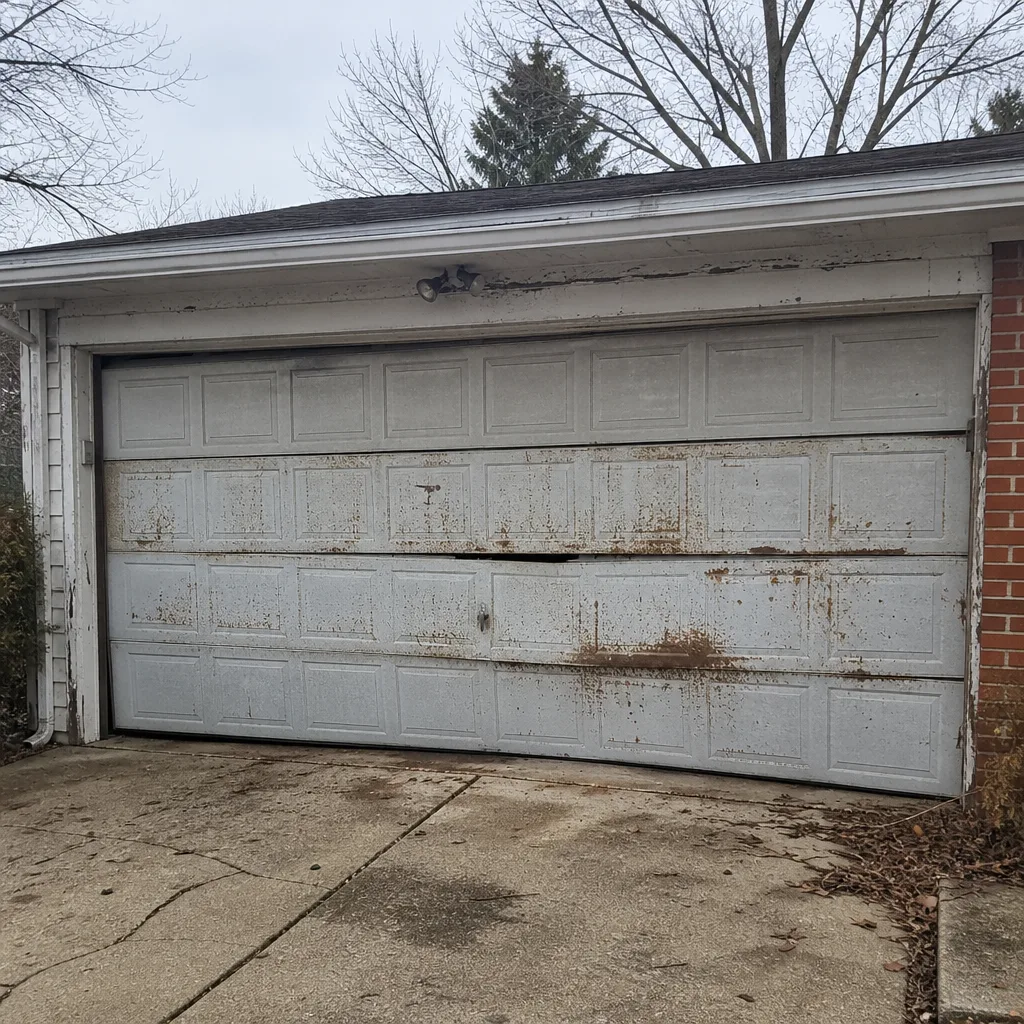 Before
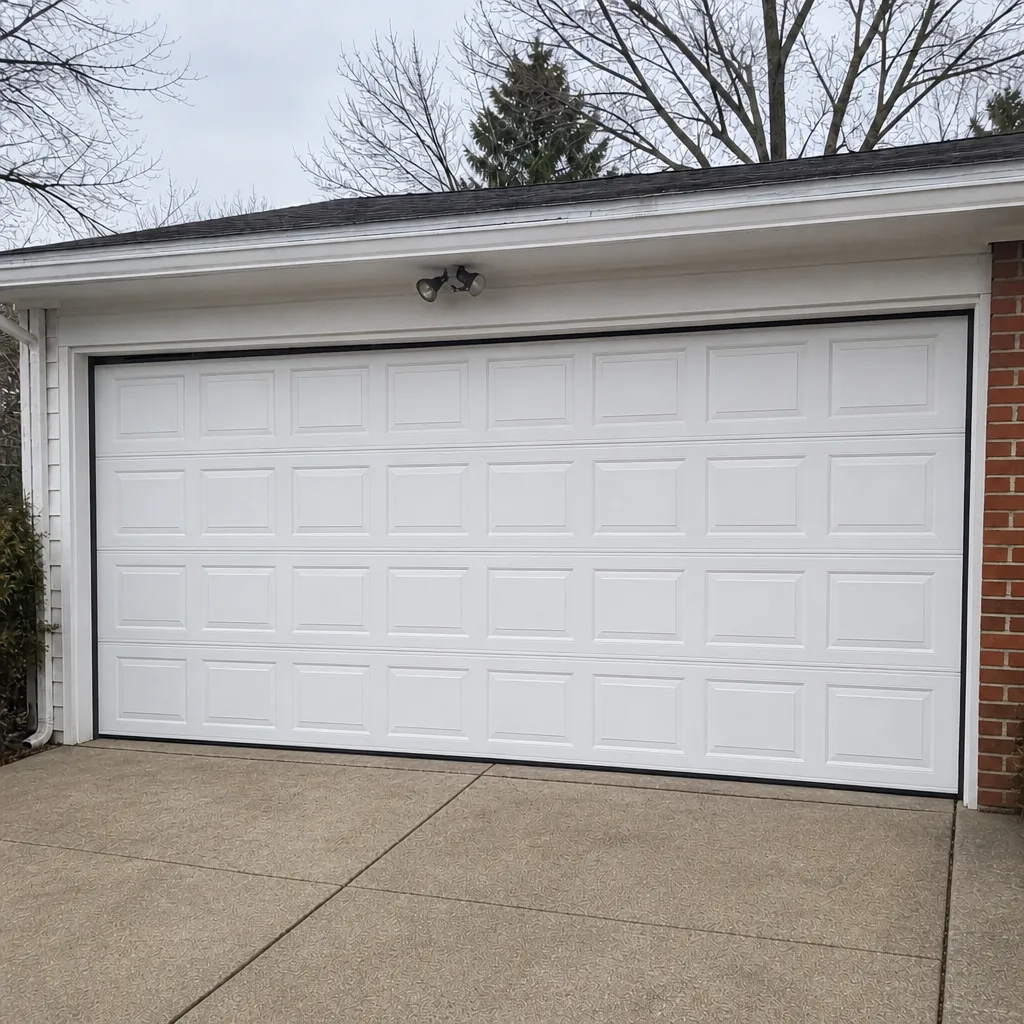 After
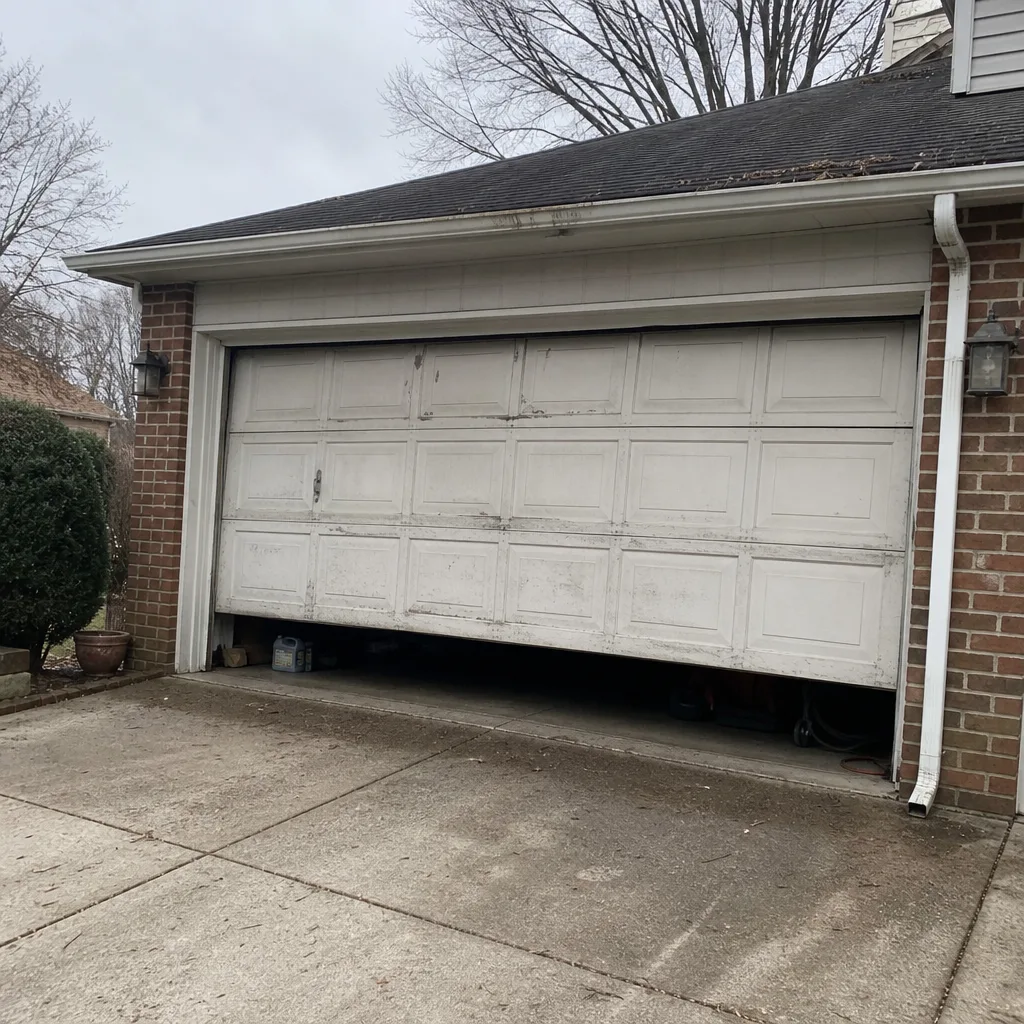 Before
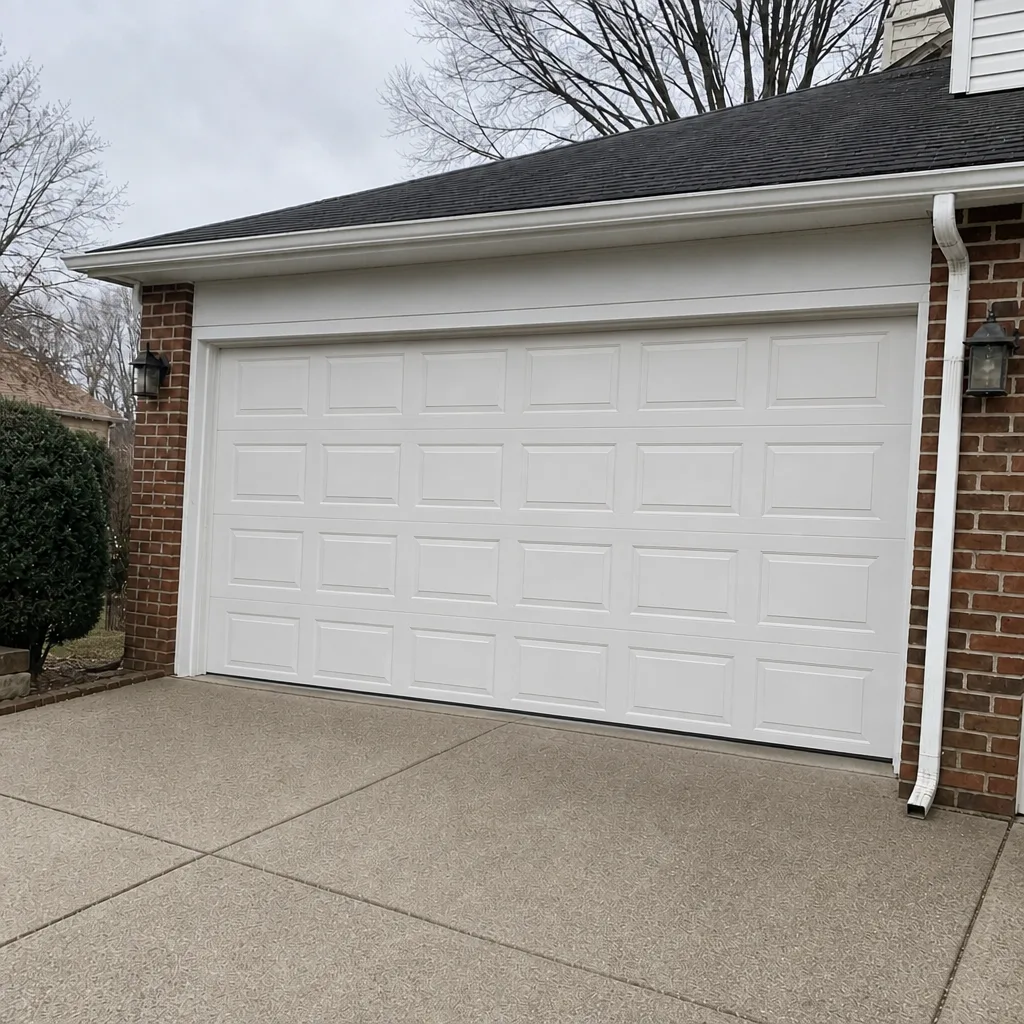 After
When to Call a Professional
Some door problems can wait for a scheduled appointment. Others can’t. Call a specialist right away when a spring has visibly failed, when a cable is frayed or slack, when the door is off its track, when the door won’t close fully and leaves your home open, or when an opener runs the motor but the door doesn’t move. Those are the situations where continuing to operate the door makes things worse or creates a hazard.
For anything less urgent, like a noisy door, a slow opener, or a seal that needs replacing, a scheduled visit is the sensible path. Either way, describe the door accurately when you call. We service all eight major brands, and we won’t try to sell you new equipment when the existing system can be repaired. Our garage door installation team handles replacements when a door is beyond economical repair, but a repair is usually the better answer for a door that’s structurally sound.
Rockville Garage Door Repair Pros offers free estimates in Rockville. Call (833) 468-3480. We answer 24/7. Fast dispatch from 7am to 7pm, Sunday through Friday. The price is quoted and agreed before any work starts, and the written estimate sets the final price. No surprises on the invoice.
Frequently Asked Questions
Stop and look before you touch anything. Check whether the door is crooked, whether a spring looks broken, and whether the opener is humming without moving the door. If the spring is broken or the door is off track, don’t operate it and call a specialist. If the door is balanced and just won’t respond to the opener, check whether the power is out or the release was pulled by mistake. When in doubt, call (833) 468-3480 for a free estimate.
Yes, with care. Pull the emergency release cord straight down and toward the door, then lift the door gently by hand. It should move with steady pressure and stay up on its own. If it feels heavy, binds, or slams back down, stop, re-engage the trolley, and call a specialist. A door that won’t hold itself up has a spring or balance problem, and forcing it can be dangerous.
Spring repair in Rockville typically runs $180 to $340 for one spring, and a matched pair is usually replaced together, so a pair costs about twice that. The written estimate you get before work starts is the price. Emergency and same-day work isn’t priced higher because of the timing; the job and the equipment determine the cost. For an exact figure on your door, call (833) 468-3480.
Have the door make and model, the spring type (torsion or extension), the opener brand, and a clear description of what the door is doing. If you can’t find the labels, a photo of the door and opener sends the same information. That detail lets us match the right technician and parts to your system and cuts the time before work starts. Call (833) 468-3480 and we’ll walk you through it.
It depends. Some fixes are complete, meaning the door moves safely through a full cycle under its own power. Others are temporary, like a spring clamped to hold the door in one position while parts are ordered. Ask the technician which one you received before they leave, and agree on the follow-up window. A full repair restores the door to safe, balanced operation, and that’s the goal.
Look for bent panels, damaged tracks, a forced lock, the door sitting unevenly in the opening, or an opener that runs without moving the door. If the door won’t stay closed or reopens on its own, treat it as a security issue. Photograph everything before resetting it, notify your insurer, and call (833) 468-3480 so we can secure the opening and repair the mechanism. We can help you work with your insurer on the paperwork.
The Bottom Line
Garage door emergencies in Rockville come in three shapes: weather, mechanical failure, and security. Classify yours first, then act. A power outage needs the release sequence done in the right order. A storm needs a door that’s sealed and balanced before the wind arrives. A security breach needs the opening secured and the damage documented. And a broken spring is a call, not a project. The single best thing you can do right now is note your door’s make, spring type, and opener brand. That’s the ten minutes that saves ninety. When you need us, call (833) 468-3480. We answer 24/7, dispatch runs 7am-7pm Sunday through Friday, estimates are free, and the written estimate sets the final price.
Written by the team at Rockville Garage Door Repair Pros.