
Last updated November 23, 2026
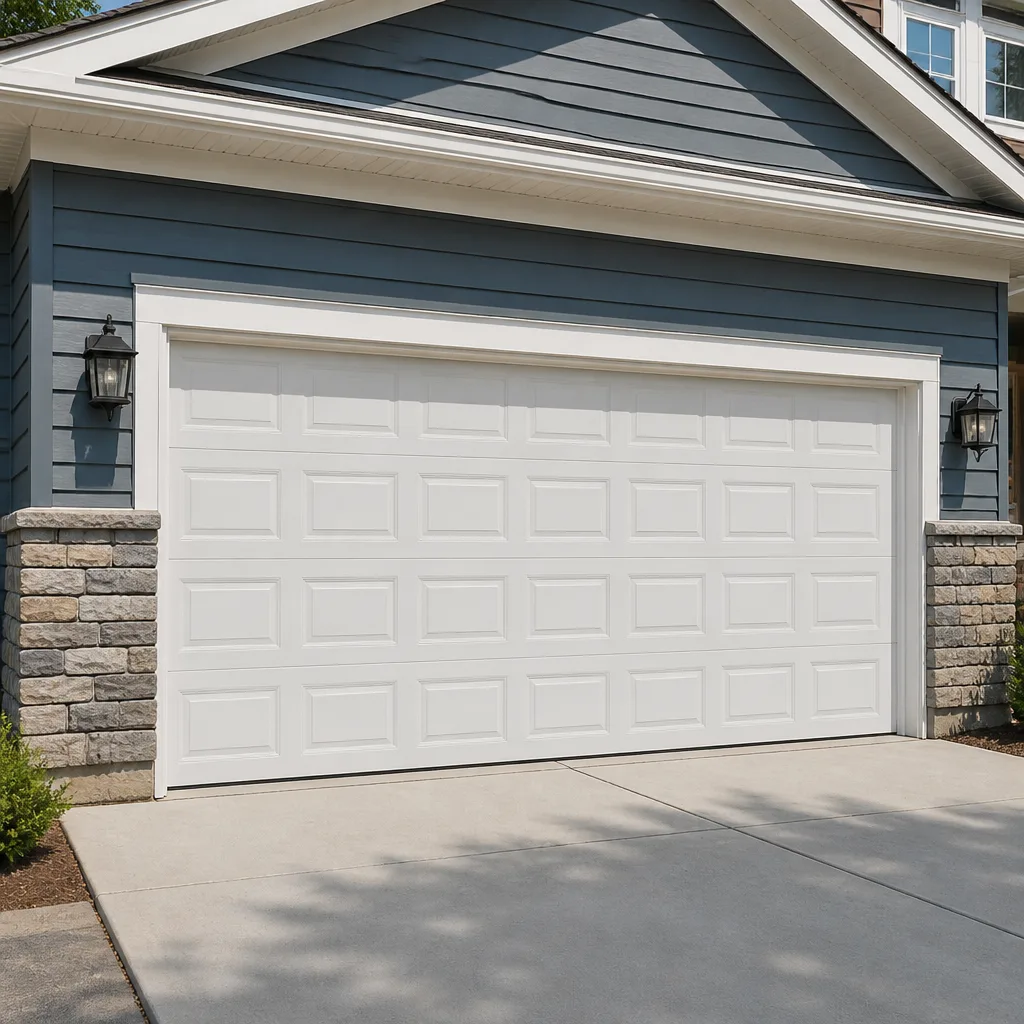 Raised-panel steel
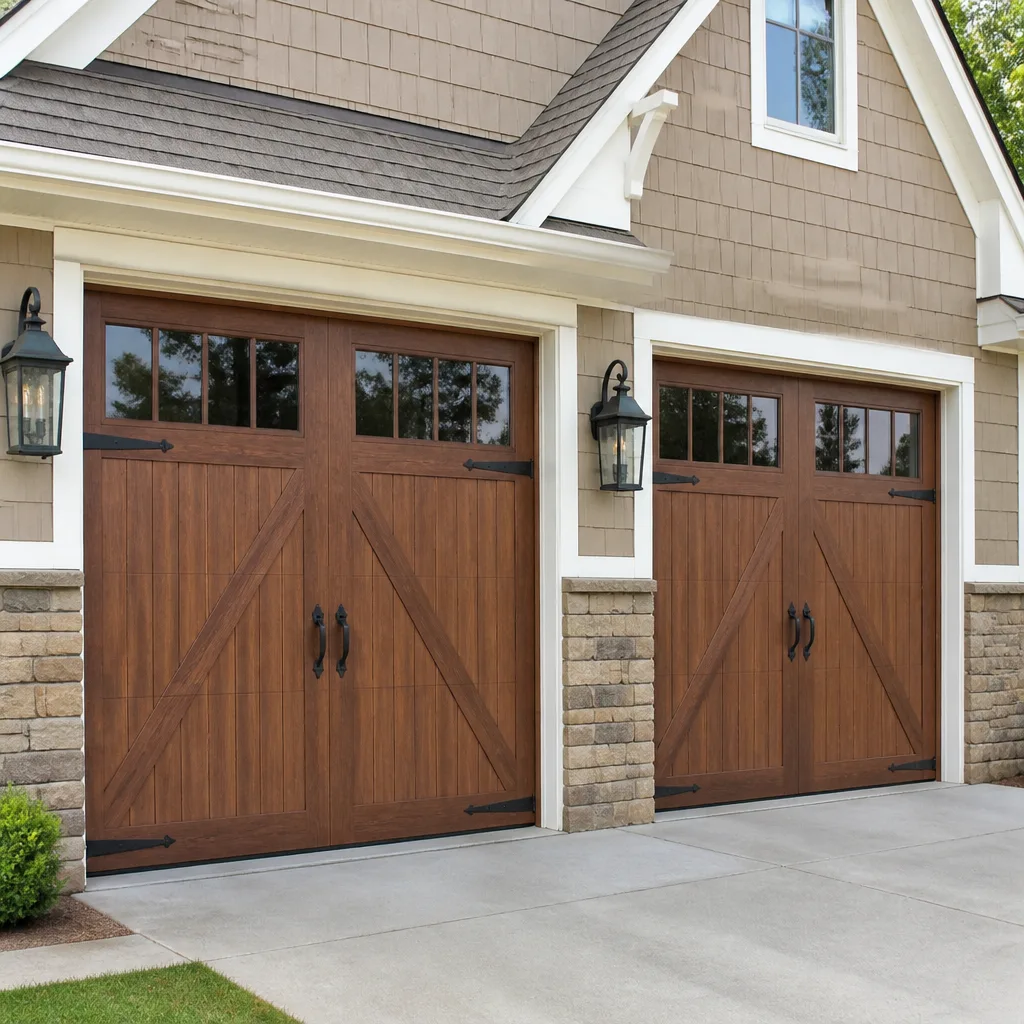 Carriage house
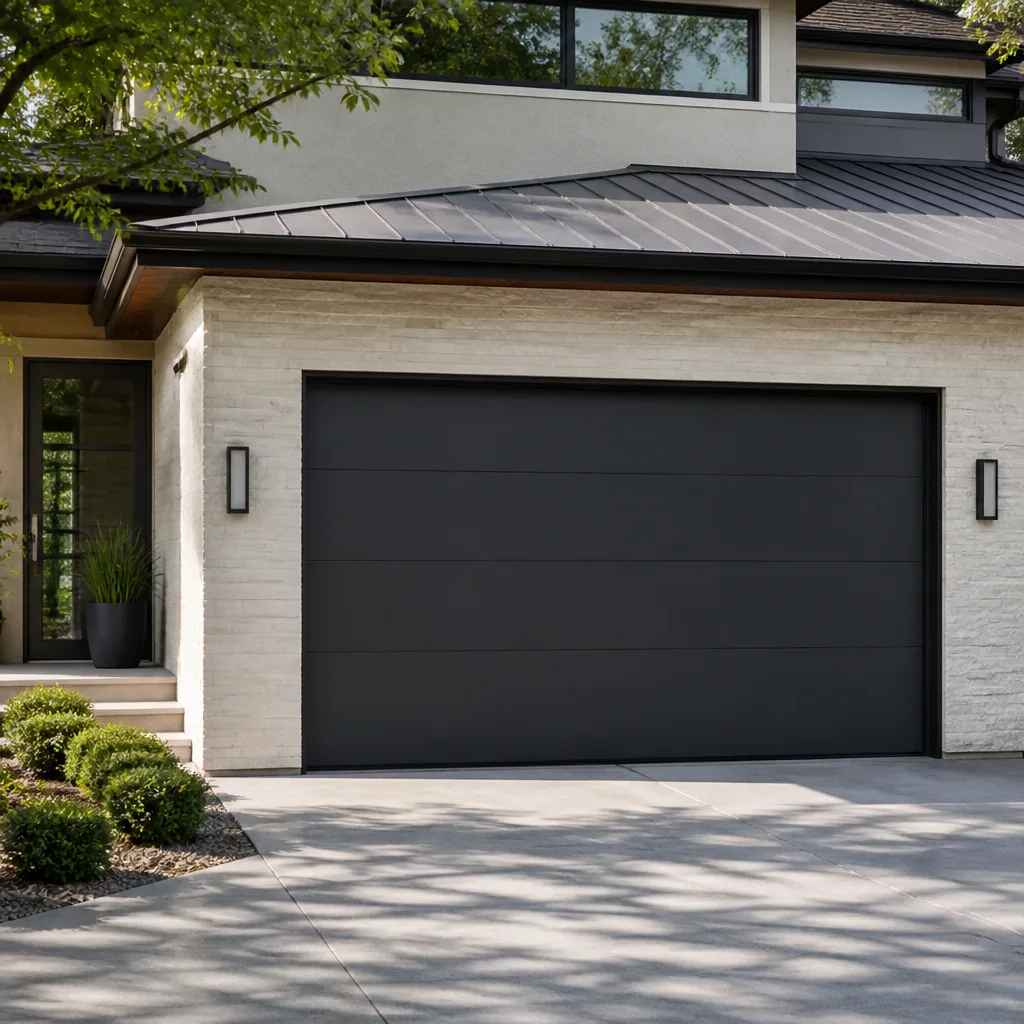 Modern flush
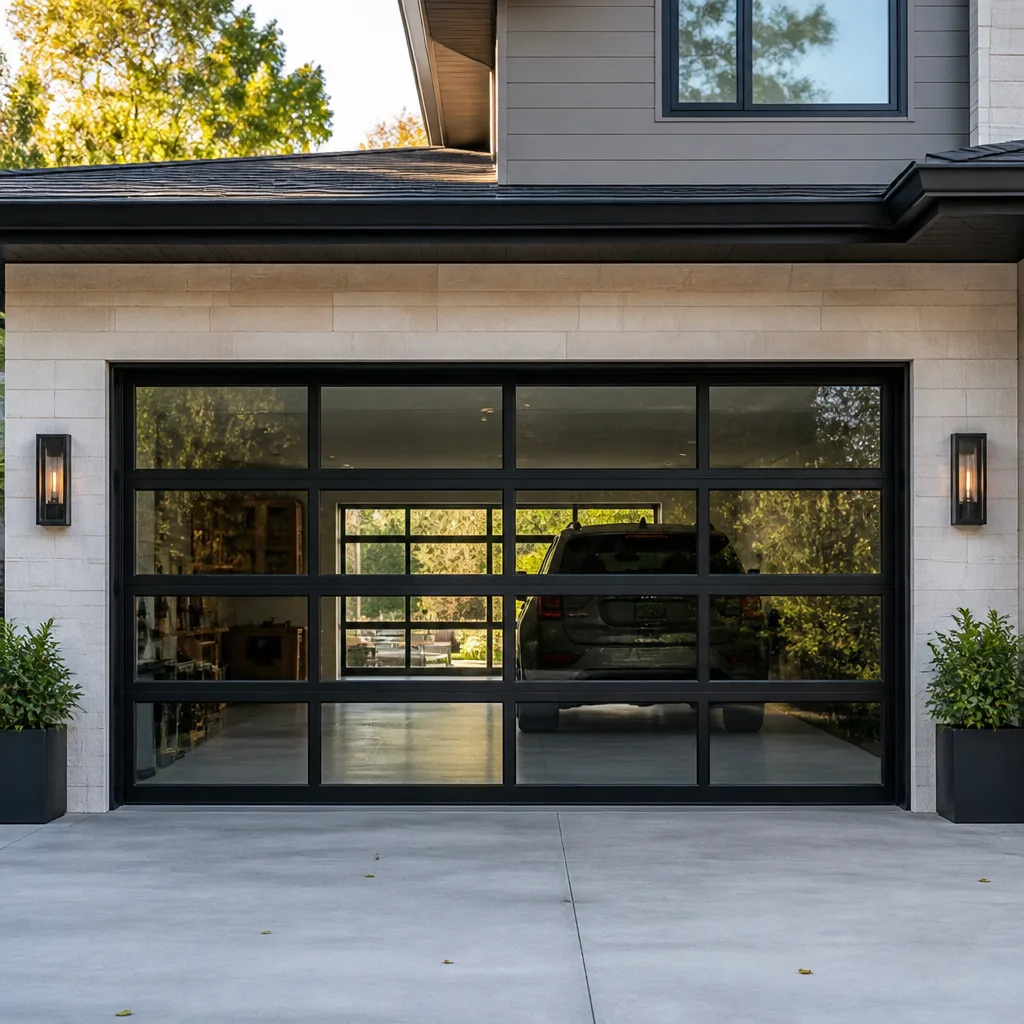 Full-view glass
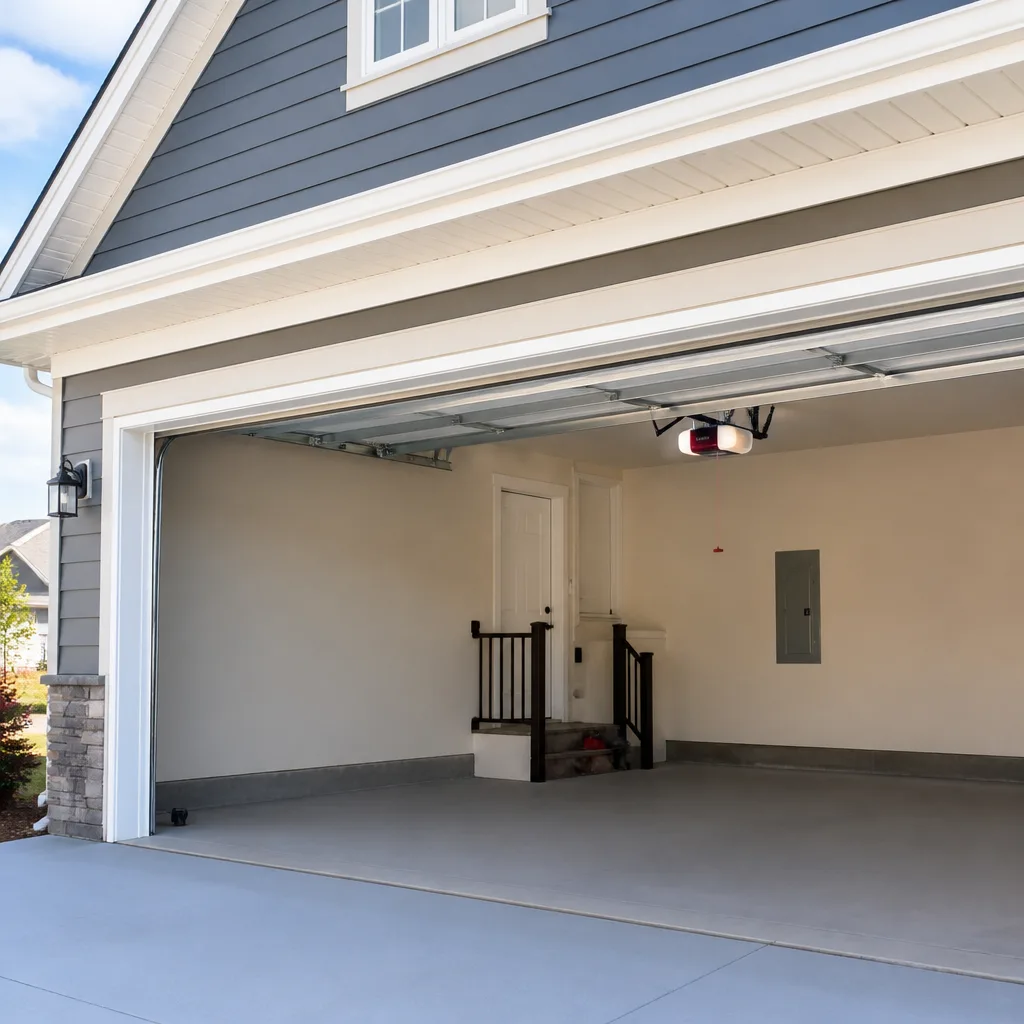 LiftMaster openers
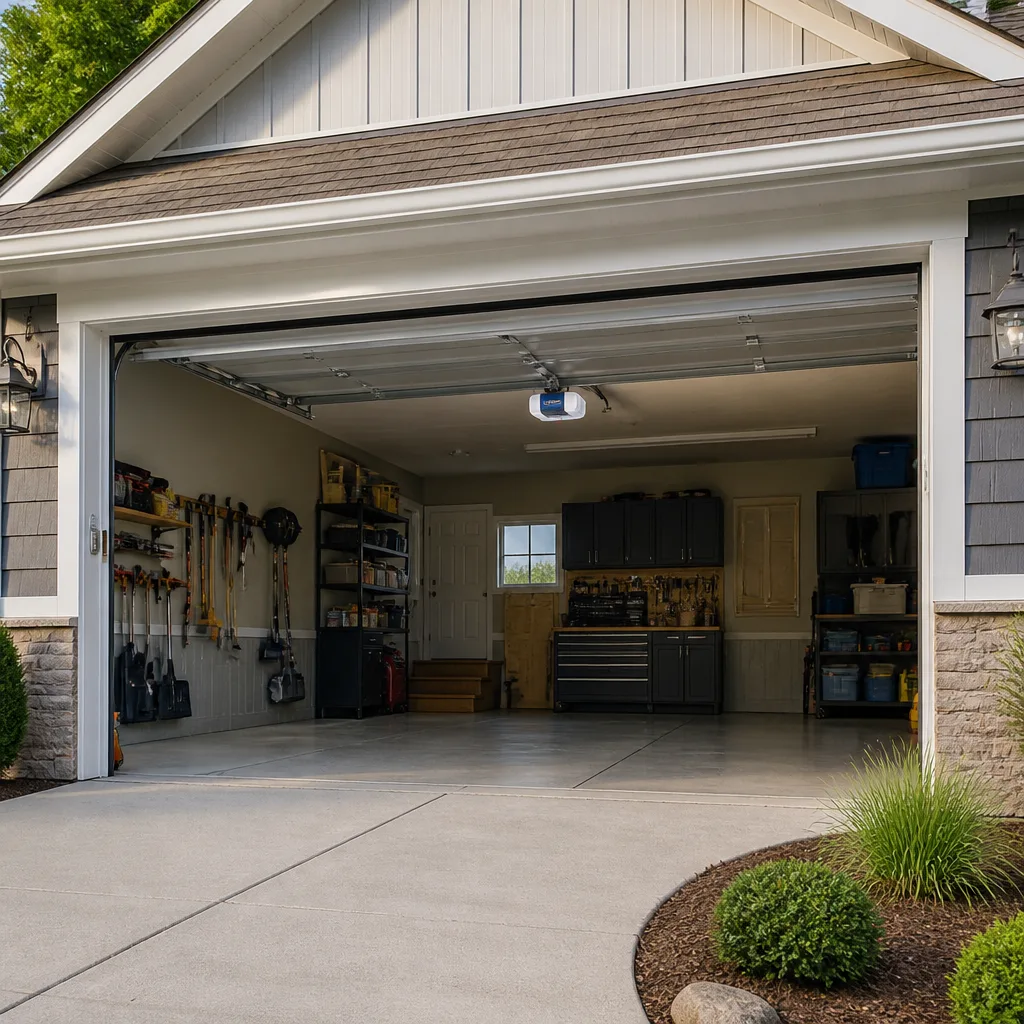 Chamberlain openers
Full 25-point door and opener safety check with every visit - springs, cables, rollers, tracks, and your LiftMaster or Chamberlain opener included
You get a price before we start. It does not change when the pro arrives.
Get your free estimateDIY vs Professional Garage Door: The Rockville Homeowner’s Decision Guide
Most advice about garage door DIY draws the line in the wrong place. It asks whether you’re “handy enough,” as if the question were about confidence or skill. It isn’t. A torsion spring stores enough mechanical energy to cause serious injury in under a second, and that’s not a liability disclaimer buried at the bottom of a manual. It’s a physics fact, and it should decide which parts of a door system you touch and which you don’t. The real dividing line runs between tasks with stored mechanical energy and tasks without it. This guide draws that line precisely for Rockville homeowners: what’s genuinely safe to do yourself, what isn’t, how Maryland contracting rules affect DIY work, and when a small repair is really a symptom of something bigger.
Quick Answer
Lubrication, weatherseal replacement, safety-sensor alignment, remote programming, and small track adjustments are reasonable DIY tasks for a careful homeowner. Anything involving torsion or extension springs, lift cables, or full panel replacement on a track-hung door is not: those parts hold stored energy or carry the door’s full weight, and a mistake can cause serious injury. For those jobs, call a specialist. Rockville Garage Door Repair Pros offers free estimates and can be reached at (833) 468-3480.
Styles & brands we work with
- Raised-panel steel
- Carriage house
- Modern flush
- Full-view glass
- LiftMaster openers
- Chamberlain openers
Table of Contents
- The Real Line: Stored Energy vs. No Stored Energy
- Five Garage Door Tasks That Are Genuinely Safe to DIY
- The Jobs You Should Never Take On Yourself
- What Maryland’s MHIC Rules Mean for Garage Door DIY
- DIY Opener Installation vs. Professional: The Warranty Math
- When a Simple Repair Is Really a Symptom
- How Rockville’s Climate and Housing Shape the Decision
- A Step-by-Step Framework for Deciding
The Real Line: Stored Energy vs. No Stored Energy
Garage door systems divide cleanly into two zones, and the division has nothing to do with how complicated a task looks. One zone involves components under tension or carrying heavy loads. The other doesn’t. Once you can sort a task into the right zone, the DIY decision makes itself.
A torsion spring is a coiled steel bar held under tension along the header above the door. An extension spring stretches along the horizontal tracks. Both store the energy that counterbalances a door that can weigh hundreds of pounds. When either fails, that energy releases at once. Cables run under tension too, and they carry the door’s weight in a way that a slack or misrouted cable can turn into a snap. Those are the high-energy components.
The low-energy side of the system is everything that doesn’t hold tension: the weatherseal along the bottom and sides, the photo-eye sensors near the floor, the wall button and remotes, the rollers, and the hinges that connect panels. Lubrication, cleaning, and small alignment adjustments live here too.
Here’s the sort that matters. If a task requires you to loosen, remove, or reach past a spring or a cable, stop. That includes tasks that look small, like “just tightening” a bracket the spring is anchored to. The bracket holds tension even when the door is down. Loosening it can release stored energy you can’t see. No amount of confidence changes that. In our experience, the injuries we hear about most often come from homeowners treating a spring-adjacent task as routine.
Five Garage Door Tasks That Are Genuinely Safe to DIY in Rockville
These five tasks sit entirely on the low-energy side of the system. A confident homeowner with a step ladder and basic tools can handle them without touching stored energy or voiding anything.
- Lubrication. A squeaky door is usually a dry one. Wipe the old grease off the hinges, rollers, and the torsion bar bearings (not the spring coils themselves), then apply a garage-door-rated lubricant. Do this once or twice a year. It’s the single easiest way to extend the life of rollers and hinges.
- Weatherseal replacement. The rubber flap along the bottom of the door and the seals on the sides and top wear out and let in drafts, water, and pests. New seals slide or nail into the existing retainer. It’s a straightforward job that also keeps Rockville’s summer humidity and winter cold out of your garage.
- Safety-sensor alignment. If your door reverses for no reason, the photo-eye sensors near the floor are probably misaligned or dirty. Wipe the lenses, check that both indicator lights are on, and nudge them until they point at each other. This is one of the most common “my door won’t close” causes, and it’s a two-minute fix.
- Remote and keypad programming. Pairing a new remote or reprogramming a keypad is a button-sequence job described in your opener manual. It’s safe, reversible, and doesn’t touch the door’s mechanicals. If you’re installing a new smart-home remote for a LiftMaster or Craftsman opener, this is where you start.
- Minor track adjustment. If a track has a small dent or a bracket has worked slightly loose at the top of the door, you can often tap a track back into line gently with a rubber mallet and snug the bolts. Only do this where the track isn’t bent sharply and isn’t holding a cable or spring bracket. A badly bent track or a track that’s pulled away from the wall is a professional job.
The common thread: none of these requires you to disconnect the door from its springs, cut tension, or lift the door’s weight. If a task pushes past that, it’s moved to the other side of the line.
The Jobs You Should Never Take On Yourself
These tasks involve stored mechanical energy or the full weight of the door. Injuries from them tend to be severe, and the hardware is unforgiving of small errors. This isn’t about whether you can; it’s about the physics of what’s under tension.
- Torsion spring replacement or adjustment. A torsion spring is wound to precise tension using two winding bars, and getting it wrong can release the entire spring’s stored energy at once. This is the most dangerous job in the trade and the one that most deserves a specialist. Spring repair is core, safety-critical work, and we treat it that way.
- Extension spring replacement. Extension springs along the side tracks stretch under tension and are typically held by safety cables. If a cable or spring is misrouted, the release can be unpredictable. Replacing them safely requires securing the door, releasing tension in a controlled way, and reinstalling with the safety cable routed correctly.
- Cable replacement. Cables are under continuous tension and run at the edges of the door. A single misrouted cable can snap under load. Never cut or loosen a cable to “reset” it.
- Full panel replacement on a track-hung door. Lifting a panel means working against the door’s weight and the balance the springs provide. On a sectional door, replacing a damaged panel is a two-person job with the door secured so it can’t come down on you.
We’ve seen the aftermath of a few of these attempts, and the pattern is the same: the homeowner was capable, careful, and still ended up with a spring that let go or a door that dropped off its track. For these jobs, the safety margin is the whole point of hiring someone who does them every week. Call a specialist rather than improvise. If something has already gone wrong, emergency garage door service exists for exactly this situation.
What Maryland’s MHIC Rules Mean for Garage Door DIY
Maryland regulates home improvement work through the Maryland Home Improvement Commission (MHIC). The practical takeaway for a homeowner: you can do your own work on your own home, but the moment money changes hands or you hire someone, the rules kick in.
The MHIC licenses contractors who perform home improvement work for compensation, and that includes garage door installation and repair performed for pay. That’s a big reason not to “help out” a neighbor for cash or hire an unlicensed handyman for a job you can’t take on. An unlicensed contractor can leave you with no recourse if something goes wrong. Always confirm a contractor’s MHIC license before work begins.
Now, the DIY question. Maryland doesn’t require a homeowner to hold an MHIC license to work on their own property. But there are two practical limits worth knowing before you start:
- Permits and code compliance. Many garage door installations involve electrical work for the opener, and sometimes structural considerations at the header. Whether a permit is required depends on your jurisdiction and the scope of the work. Ask the city’s building department before you start, and don’t assume a swap of like-for-like hardware needs no paperwork.
- Disclosure at sale. When you sell a Maryland home, you complete a disclosure form that asks about known defects and unpermitted work. A poorly executed DIY repair, or electrical work done without a permit, can surface during a buyer’s inspection and become a negotiating problem. A licensed contractor’s work and any required permits are documented and can be verified, which matters more at sale time than people expect.
If your plan involves anything beyond the five safe tasks above, the cleanest path is to get a written estimate from a licensed specialist and let the paperwork follow the work. That protects the value of your Rockville home at resale.
DIY Opener Installation vs. Professional: The Warranty Math
The cost-benefit of a DIY opener install turns less on the price of the opener than on the warranty. Many manufacturers include a longer or more complete warranty on the opener when installation is done by a certified installer. That clause is easy to miss and expensive to discover later.
Here’s the trade-off most homeowners underestimate. A garage door opener isn’t a standalone appliance. It’s part of a balanced system, and correct installation means verifying the door’s balance, setting the travel limits and force settings, mounting the rail at the correct height and angle, and confirming the safety reverse works and the photo-eyes close the door the way they should. An opener installed on a door that isn’t balanced will wear out faster, even with perfect programming. Getting the electronics right but the mechanics slightly off is one of the most common reasons a new opener fails within a couple of years.
Now the warranty. Manufacturer coverage often ties the opener’s warranty to proper installation, and in practice that means certified installation. Suppose a control board fails in year two. If the installation was DIY and the warranty terms required certified install, you may find the claim denied. A pro install that keeps the warranty intact can be the cheaper option across the opener’s life, even if the upfront price is higher. We work on LiftMaster, Chamberlain, Genie, and Craftsman openers, so a pro install on your existing brand doesn’t mean switching systems.
The honest version of the math: DIY opener installation saves money today and may cost more tomorrow. Professional garage door opener repair is a separate, more urgent purchase, but the same warranty logic applies: if an opener is under coverage, a certified repair protects it. For a full new opener and door, professional garage door installation keeps the warranty and the balance setup right the first time.
When a Simple Repair Is Really a Symptom
The sneakiest DIY mistake isn’t the one that’s obviously dangerous. It’s the one that quiets a symptom while the real problem grows underneath. A few patterns show up often enough that they’re worth knowing before you reach for the toolbox.
- The door reverses for no reason. You might assume the safety sensors are misaligned. That’s the common cause, but if alignment doesn’t fix it, the real issue could be a binding track, a failing opener force setting, or the logic board. Adjusting the force setting to “make it go” masks a mechanical problem the opener is trying to tell you about.
- The opener struggles or gets louder. Sometimes the fix is a new gear or a lubricated track. Often it’s a door that’s out of balance because a spring has lost tension. Replacing the opener on an out-of-balance door is the classic mistake: the new opener does the same work harder and fails prematurely.
- A slight gap at the bottom of the door. A new weatherseal can close the gap, but if the gap came on gradually, the door may have settled or the panels may be out of alignment. A seal change fixes the draft, not the alignment.
- The door works fine but “feels off.” Strange noises, a slight wobble, or a do-it-yourself fix that “worked for a while” often points to a cable or spring on the way out. Tightening a bracket or greasing the track buys time but doesn’t address the part that’s about to fail.
The rule: if a fix doesn’t hold for a week, stop treating it as the same problem. It’s a symptom. Recognizing this is where our technicians’ up to 12 years of experience tends to matter, because the symptom and the cause are often a few feet apart.
How Rockville’s Climate and Housing Shape the Decision
Rockville sits in the Maryland Piedmont, and its weather does more to garage doors than most homeowners realize. The mix of hot, humid summers and cold winters is hard on weatherseals, rollers, and door hardware. Seasonal temperature swings expand and contract the door and its metal parts, and that movement loosens fasteners and wears hinges over time.
The practical effect on the DIY decision is this: the most common Rockville maintenance needs, like seals and lubrication, are exactly the tasks on the safe-to-DIY list. If you keep up with those, you reduce the load on the parts that fail most, which are also the dangerous ones to replace yourself. Humidity is the other local factor. Damp garages corrode rollers and hinges faster than dry ones, so lubrication matters more here than in a drier climate. A corroded hinge or roller can bind and cause the door to jerk, which stresses the springs. That’s a safe, preventive task with a payoff on the other side of the line.
Housing stock matters too. Many older Rockville homes, including those in neighborhoods like Twinbrook and the wooded sections around Rock Creek, have aging sectional doors with original cables and springs well past their service life. If your door is older and you’ve never had the springs checked, a pro inspection is worth more than any DIY task you can do. Newer construction and renovations often have larger doors and heavier panels, which put more load on the same springs and cables. In both cases, the climate and age make the dangerous components more likely to fail, not less.
A Step-by-Step Framework for Deciding
When a garage door problem shows up in Rockville, work through these five steps in order. The first two will settle most decisions within a minute.
- Identify the part. What’s actually broken or behaving oddly? Name the part before you name the fix. “The door won’t close” is not a part. “The bottom weatherseal is torn” or “the photo-eyes are dirty” is.
- Sort it by energy. Does the task require you to reach past, loosen, or remove a spring, cable, or spring bracket? If yes, it’s a professional job. If no, move on to the next step.
- Check the warranty. If the door or opener is under manufacturer coverage, check the installation terms before you touch it. A DIY repair on a covered component can risk the warranty. If in doubt, a free estimate settles it cheaply.
- Check the venue. If the fix involves any electrical work at the opener, or if a new door installation needs a permit, ask the city’s building department. If a permitted job is beyond the five safe tasks, book a licensed specialist.
- Weigh the time and tools. A ladder, a screwdriver set, and a Saturday morning are enough for the safe five. Anything requiring winding bars, cable pullers, or two people to lift a panel is not a Saturday-morning job.
If you get as far as step three and aren’t sure, that’s the moment to call. The decision doesn’t have to be made alone, and the estimate is free. For structural or mechanical garage door repair, a specialist can confirm in minutes whether your task is on the safe side or the professional side.
Common Mistakes to Avoid
- Touching a spring because it “looks safe” with the door down. The spring is under tension whether the door is up or down. Never loosen a bracket the spring is anchored to. That’s true of torsion spring brackets above the door and the brackets at the ends of extension springs.
- Adjusting the opener’s force setting to fix a binding door. Bumping the force up so the door will close masks a mechanical problem and can defeat the safety reverse. That setting is one of the few opener controls a homeowner should leave alone.
- Lubricating the spring coils themselves. Lubricant belongs on the hinges, rollers, and bearings, not on the spring coils or the tracks. Grease on the tracks attracts grit. Your owner’s manual names the right points.
- Ignoring a door that’s out of balance. A quick test (with the door safely raised and the opener disconnected, on a door you can lift) tells you if the door stays put. If it slams down or drifts up, the springs need professional attention. Never attempt to adjust springs yourself.
- Hiring an unlicensed handyman for a paid job. Maryland’s MHIC rules apply to paid home improvement work. An unlicensed contractor can leave you with no recourse and a problem at resale.
- Assuming a new opener will fix a door problem. If the door itself is out of balance or binding, a new opener inherits the same load and can fail early. Diagnose the door before replacing the motor.
- Waiting when the door drops or locks you in or out. A door that won’t open or closes on its own is a safety issue, not a scheduling inconvenience. Emergency service exists for these.
See the difference
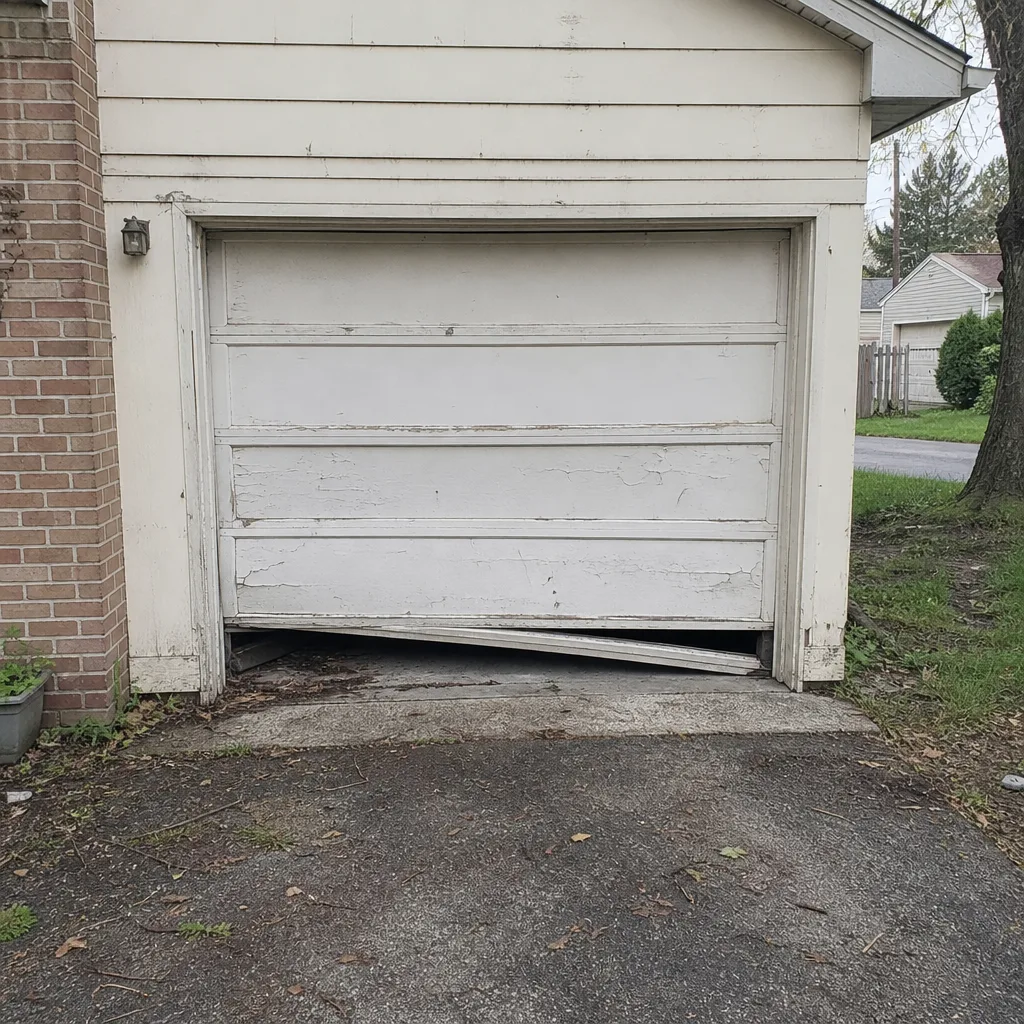 Before
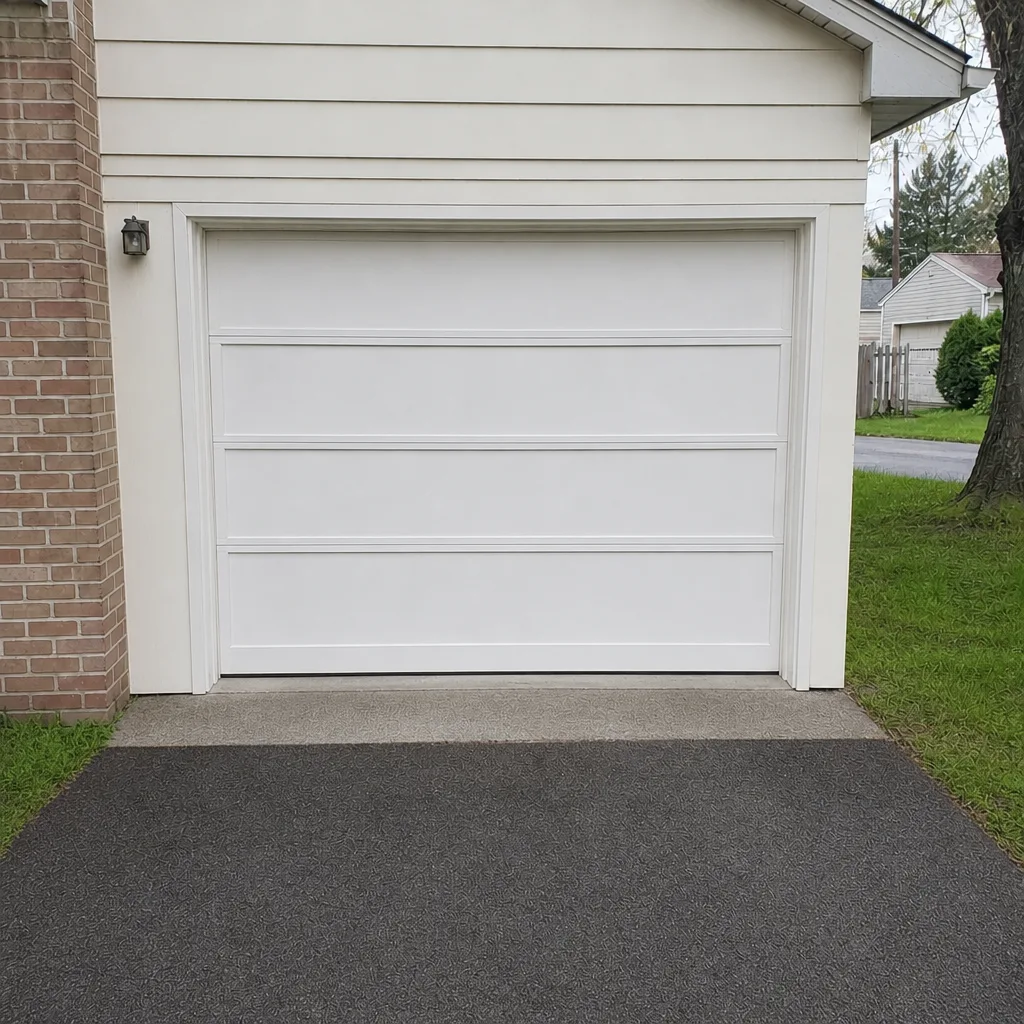 After
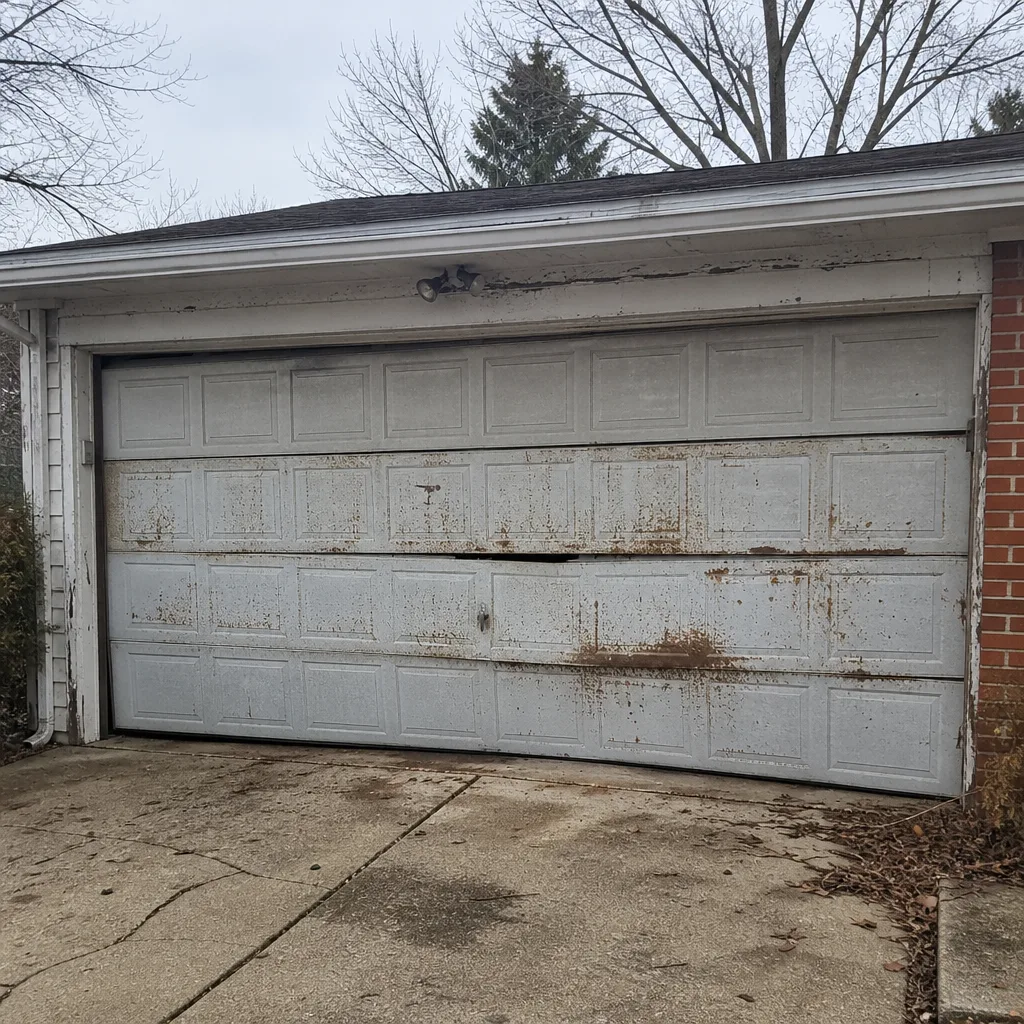 Before
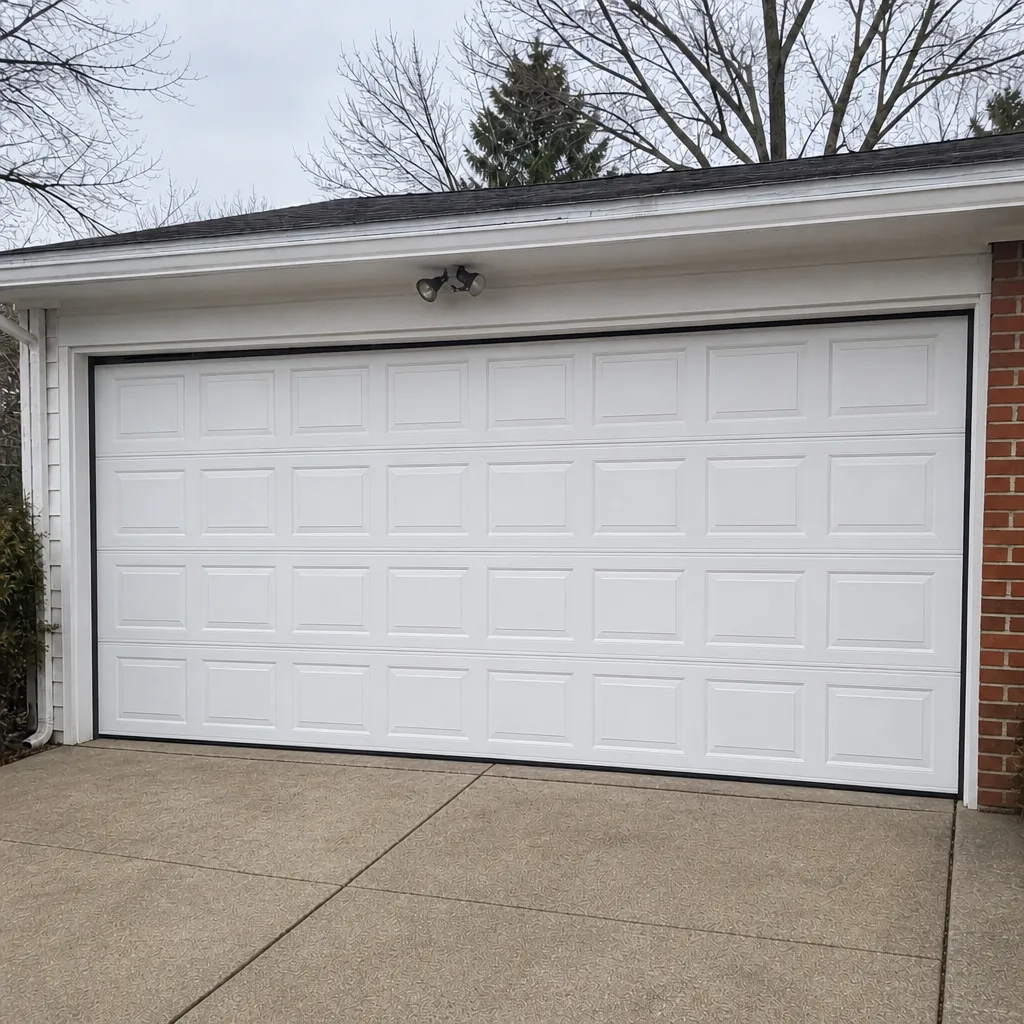 After
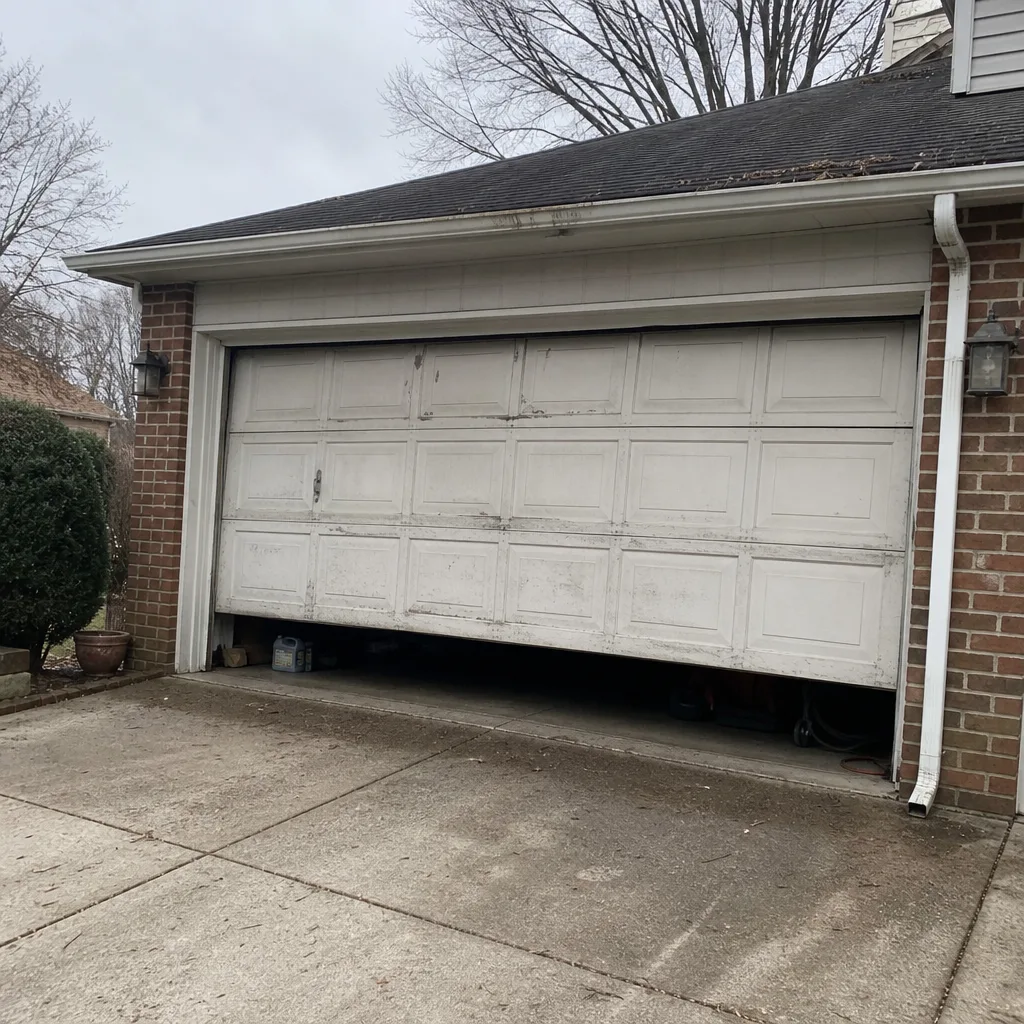 Before
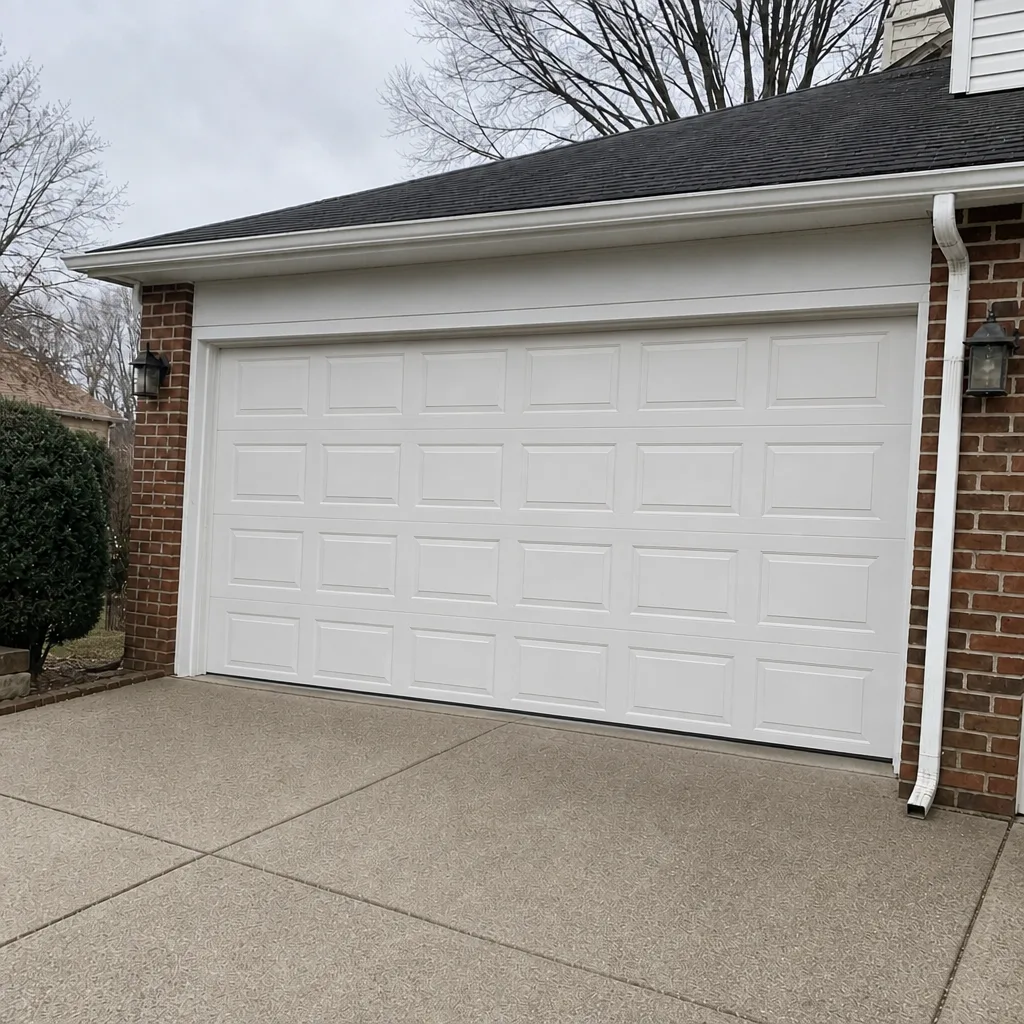 After
When to Call a Professional
Call a professional when the task involves a spring, a cable, or a full panel. Call if a fix you made doesn’t hold, if the door reverses or stops on its own, if it won’t open, or if it has a new noise, a wobble, or a gap that appeared on its own. Call if the opener is under warranty and something’s wrong with it, and call if the door is old and has never had its springs checked. Any of these is a real reason to bring in a specialist rather than another Saturday morning.
Rockville Garage Door Repair Pros offers free estimates in Rockville. We work on eight major brands, including Wayne Dalton and Raynor, so there’s no system-switching pressure. Spring repair is a specialty we take seriously, and emergency garage door service is a standing offering for doors that can’t wait. Call (833) 468-3480. We answer 24/7. Fast dispatch from 7am to 7pm, Sunday through Friday.
Frequently Asked Questions
No. A torsion or extension spring holds enough stored energy to cause serious injury in under a second, and replacing one safely requires controlled tension release and the right tools. This is a job for a trained specialist. Call (833) 468-3480 for a free estimate – spring repair is core, safety-critical work and we handle it as a specialty.
Lubrication, weatherseal replacement, safety-sensor alignment, remote and keypad programming, and minor track adjustments are safe for a careful homeowner to do themselves. Anything involving springs, cables, or a full panel replacement is not. When you’re unsure which side of that line a task falls on, call for a free estimate and let a specialist confirm it.
Maryland’s MHIC licenses contractors who perform home improvement work for compensation, so paid garage door installation and repair should be done by an MHIC-licensed contractor. A homeowner can work on their own home, but any paid work or permit-requiring installation should go to a licensed pro. Ask the city’s building department about permits, and call (833) 468-3480 if you’d rather get a licensed estimate.
It can. Many manufacturers tie full or longer warranty coverage to certified installation, so a DIY opener install may leave you without coverage on a failing opener. If the door or opener is under warranty, a professional install protects it. Call (833) 468-3480 for an accurate estimate before you decide.
Sometimes, yes. Lubricating the hinges, rollers, and bearings is a safe first step, and Rockville’s humid summers make rollers and hinges corrode faster than in drier climates. If the door still struggles after lubrication, the cause may be balance or a failing spring, which needs a professional look. Call (833) 468-3480 and we’ll tell you what we think.
Pricing depends on the specific task and is set per job by a written estimate, so we can’t give a number without seeing the door. The estimate itself is free, and you’ll know the price before any work starts. Call (833) 468-3480 to schedule a free estimate and get a written quote for your Rockville home.
The Bottom Line
The DIY vs professional question for garage doors is a question about stored energy, not skill. Lubrication, weatherseals, sensors, remotes, and small track adjustments are safe for a careful homeowner. Springs, cables, and full panel replacement are not, no matter how confident you are. Maryland’s MHIC rules affect paid work and resale, and opener warranties can quietly depend on certified installation. Rockville’s humid summers and aging housing stock make the dangerous components more likely to fail, which makes the safe five worth keeping up and the rest worth delegating. Call (833) 468-3480 for a free estimate and a written price before any work starts.
Written by the team at Rockville Garage Door Repair Pros.