
Last updated November 23, 2026
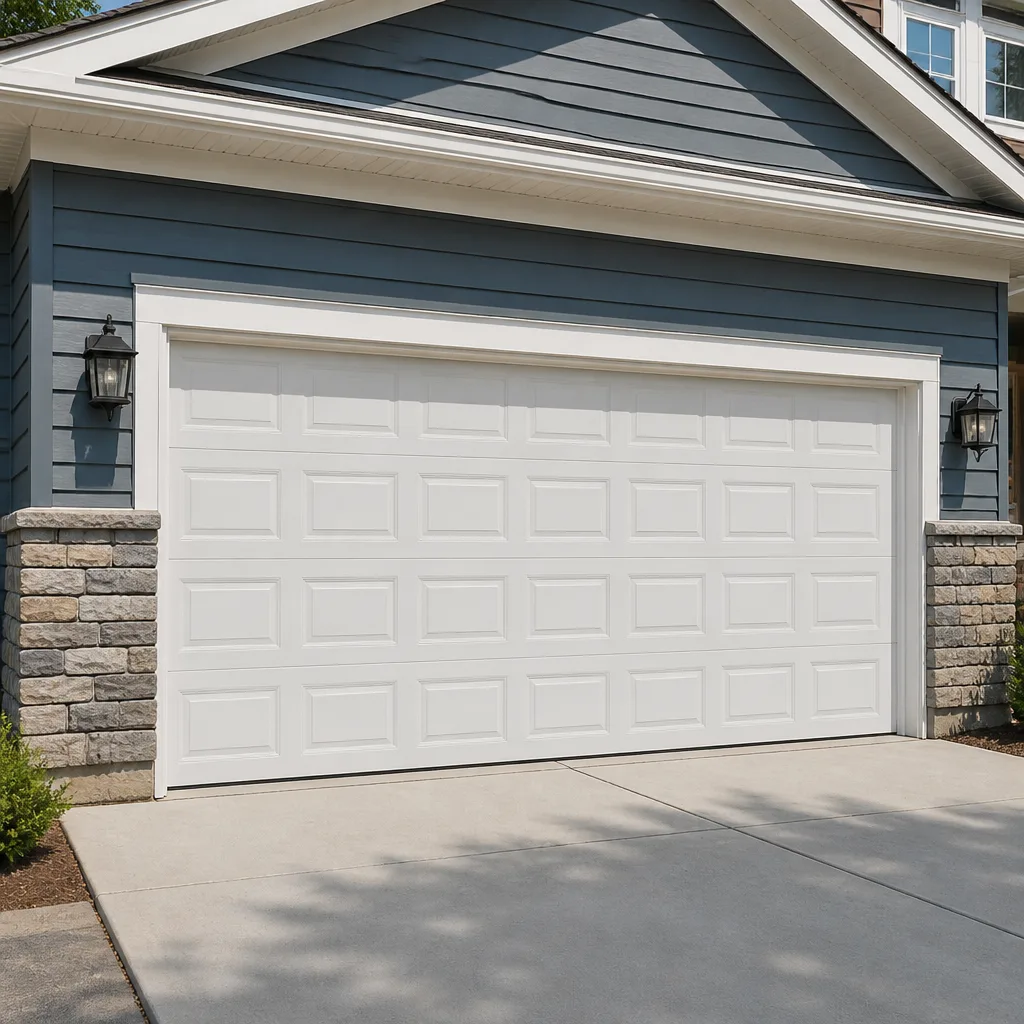 Raised-panel steel
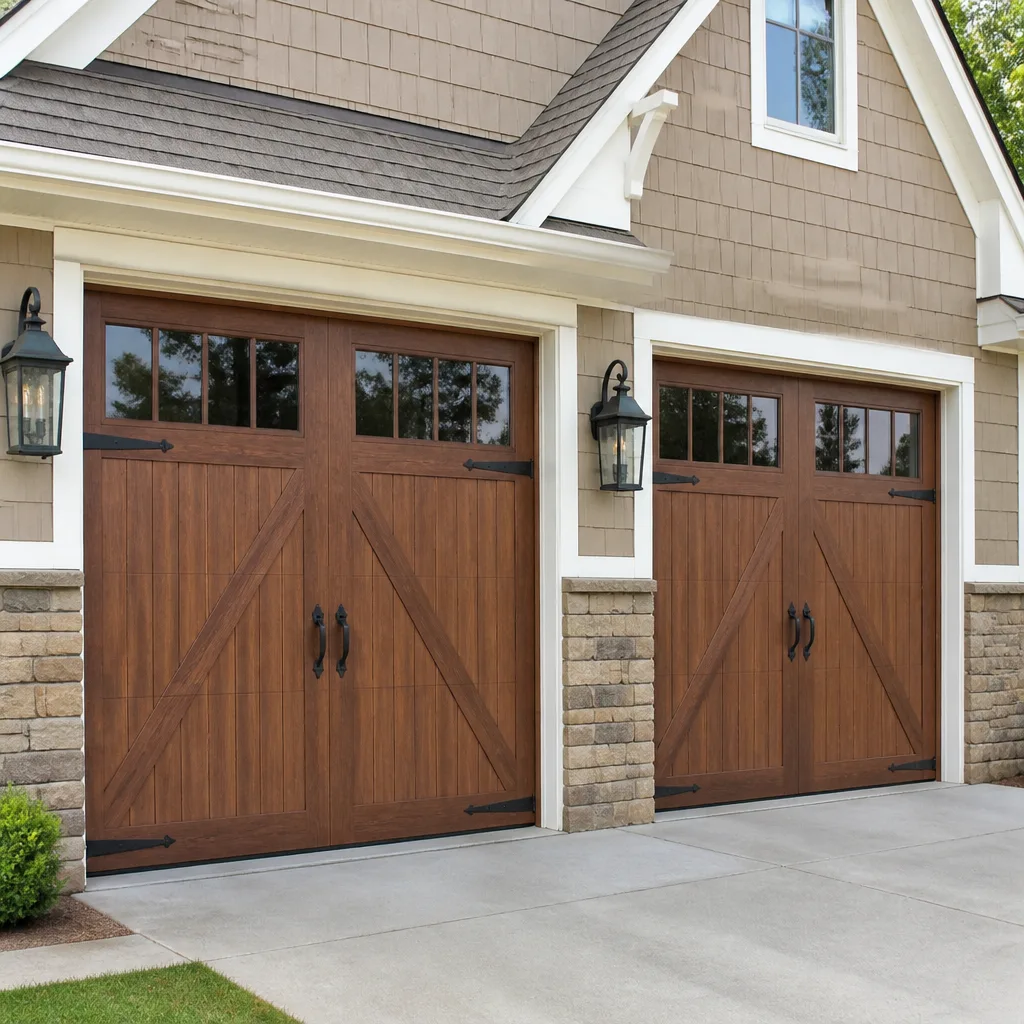 Carriage house
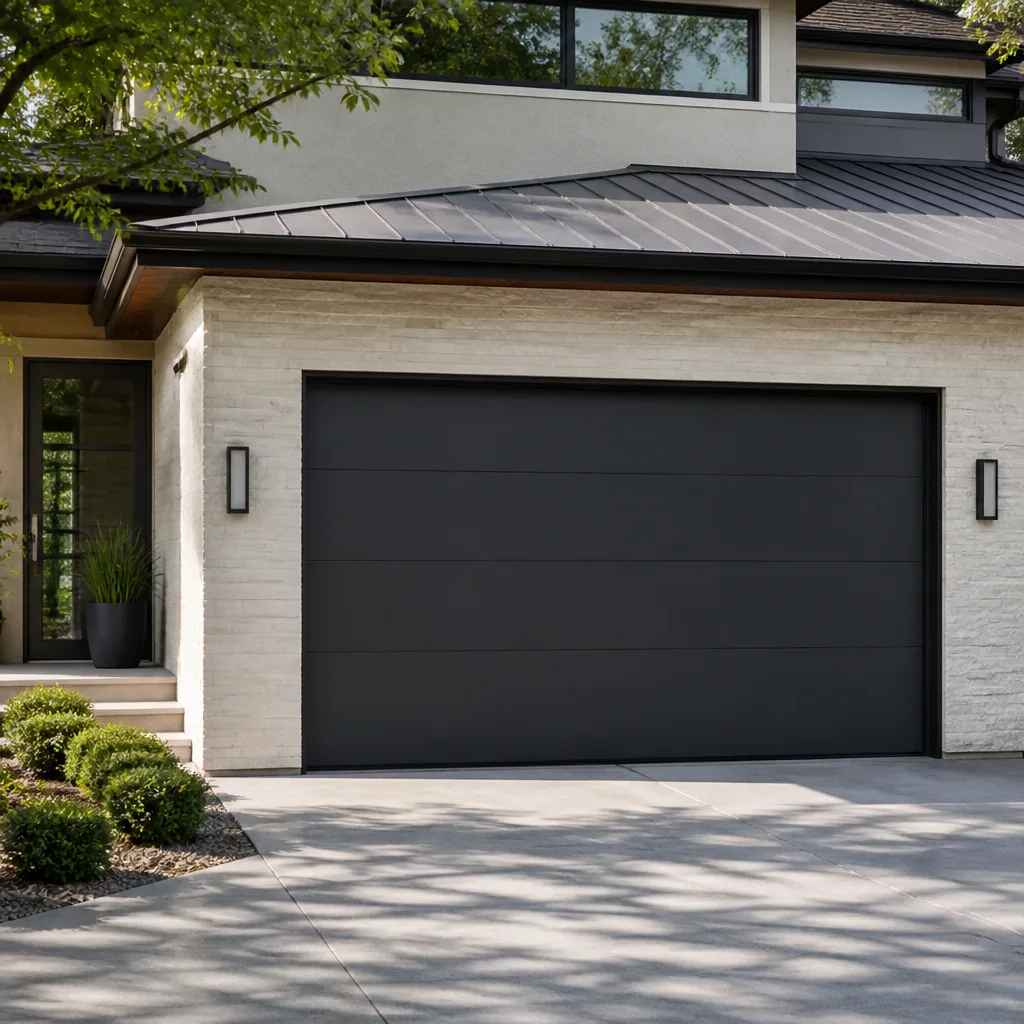 Modern flush
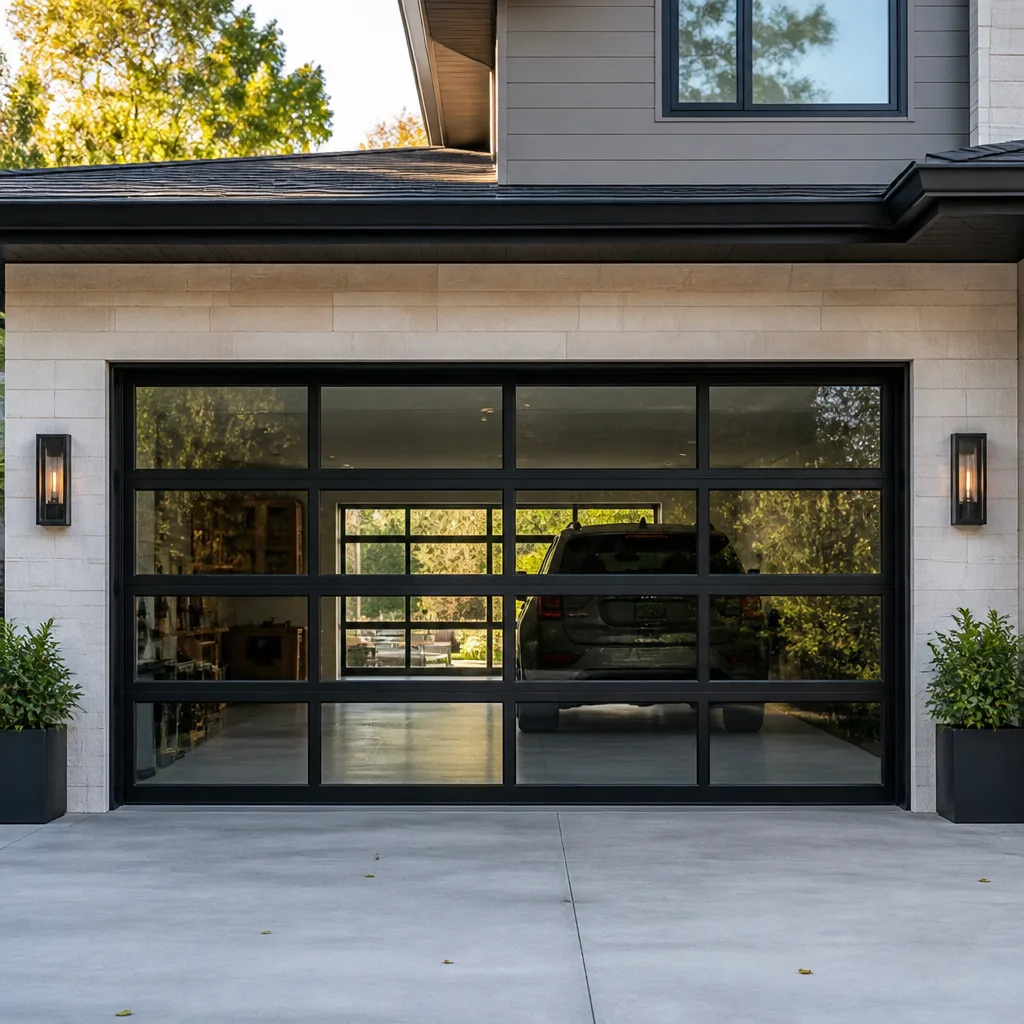 Full-view glass
 LiftMaster openers
 Chamberlain openers
Full 25-point door and opener safety check with every visit - springs, cables, rollers, tracks, and your LiftMaster or Chamberlain opener included
You get a price before we start. It does not change when the pro arrives.
Get your free estimateThe Complete Guide to Garage Doors in Rockville
The average Rockville home loses more conditioned air through a poorly insulated garage door than through a drafty window, yet most homeowners spend more time picking paint colors than door R-values. That gap between what matters and what gets attention is where door decisions go wrong, and it’s expensive to correct later. A garage door is the largest moving object in your house, and in Rockville’s climate it takes a beating from both ends of the thermometer. This guide maps every real decision point a Rockville homeowner faces: material selection, insulation, cycle ratings, HOA approval, opener compatibility, and how to vet an installer. We’ll show you what actually determines whether a door lasts 10 years or 30.
Quick Answer
The right garage door for a Rockville home balances four things: material suited to freeze-thaw winters and humid summers, an insulation R-value matched to whether the garage is attached, a cycle rating that covers your daily use for a decade or more, and a style that clears your HOA’s approval process before you order. Steel with a polyurethane core wins most Rockville installations because it handles temperature swings without warping or cracking. The rest of this guide explains how to get each decision right, and when to call a specialist instead of guessing.
Styles & brands we work with
- Raised-panel steel
- Carriage house
- Modern flush
- Full-view glass
- LiftMaster openers
- Chamberlain openers
Table of Contents
- How Rockville’s Climate Shapes Door Choice
- Steel vs. Wood Composite vs. Fiberglass
- Insulation and the Attached-Garage Problem
- Reading a Cycle Rating
- HOA and Aesthetic Approval in Montgomery County
- Residential vs. Commercial-Grade Components
- What a Full-System Purchase Should Include
- How to Vet a Garage Door Installer
- Springs: Why We Treat This as a Specialty
- Common Mistakes to Avoid
How Rockville’s Climate Shapes Door Choice
Rockville sits in a climate with genuine four-season swings: subfreezing winter mornings, spring and fall freeze-thaw cycles, and humid summers that push past 90 degrees. That pattern is the single biggest stressor on a residential garage door. Every freeze-thaw cycle expands and contracts the door’s panels, frame, and hardware, and over years those small movements loosen fasteners, warp cheap panels, and break down weatherseals. The door that looks identical to a neighbor’s on installation day can age very differently depending on how well its material handles that cycling.
Summer humidity matters just as much. Wood and wood-composite products absorb moisture in July and August and release it in dry winter air, which is why poorly finished wood doors cup and split. Steel resists moisture but can rust at the bottom edge where water pools after rain or snowmelt. Fiberglass holds up well to moisture but can become brittle in prolonged cold if it isn’t properly constructed.
Rockville homeowners also deal with snow and ice that pile up against the door’s bottom seal, then melt and refreeze. That’s the leading cause of rotted bottom sections and frozen hinges. The fix is straightforward:
- Choose a door with a bottom aluminum retainer, not just a plastic seal.
- Keep the driveway slope draining away from the door threshold.
- Replace the bottom weatherseal the moment it tears or hardens.
None of this is exotic. But homeowners in Rockville who ignore it end up replacing a door a decade before they should. If your current door is showing the early signs of that wear, garage door repair can often extend its life substantially before a full replacement becomes necessary.
Steel vs. Wood Composite vs. Fiberglass
Material choice is the first real decision point, and it drives cost, maintenance, insulation, and lifespan more than any other variable. Here’s how the three main residential options compare for Rockville conditions.
Steel
Steel is the most common residential door material for good reason. It doesn’t warp, doesn’t rot, and it handles temperature swings with predictable behavior. A steel door can be insulated with polystyrene or, better, polyurethane, giving you an R-value strong enough for an attached garage. The main risk is rust at seams and edges if the finish fails; inspecting the bottom edge once a year and touching up scratches keeps a steel door going for decades. Most of the doors we service in Rockville are steel, often from Clopay, Amarr, or Wayne Dalton, and the failure modes are almost always hardware and springs rather than the panels themselves.
Wood Composite
Wood composite doors offer the warmth and detail of real wood without the same splitting risk, and they suit Rockville’s older neighborhoods where a period aesthetic matters. The catch is upkeep: composites still need a protective finish, and a neglected door will absorb moisture and start to cup. They also tend to be heavier, which pushes you toward a stronger torsion spring setup and sometimes a higher-torque opener. If you love the look and don’t mind a maintenance schedule every few years, composite works. If you’d rather not think about it, steel wins.
Fiberglass
Fiberglass is light, resists moisture, and can mimic a wood-grain finish convincingly. It’s a reasonable option for detached garages or homeowners who want a low-weight door that’s easy on the opener. The trade-off is long-term durability in deep cold, where lower-quality fiberglass can become brittle, and its insulating value is usually lower than a polyurethane-core steel door. For most attached-garage Rockville homes, fiberglass is the third choice, not the first.
Insulation and the Attached-Garage Problem
Here’s the part most door shopping skips. An attached garage shares at least one wall with your living space, which makes the garage door the largest insulated (or uninsulated) surface on that side of the house. A single-pane steel door with no core acts like a radiator in January and an oven in July, and that shows up in the rooms adjacent to the garage. If you have a bedroom over the garage, you already know the feeling.
R-value is the measure of how well a door resists heat flow, and it’s the number to look at when comparing insulated doors. Higher is better, but how a door achieves its R-value matters as much as the number itself. A door insulated with polyurethane foam bonded to the panel will outperform a door with loose polystyrene inserts at the same nominal R-value, because there are no gaps for air to move through. A well-sealed, well-insulated steel door on an attached garage in Rockville pays back in comfort long before it pays back on heating bills.
Insulation isn’t the only piece. Weatherseals, the bottom seal, and the perimeter stop all need to be intact and matched to the door. An insulated door with a torn bottom seal leaks nearly as much air as an uninsulated one. When we spec a full-system replacement, insulation and seals are chosen together, not separately.
One caution: if your garage is attached to living space and your home has an open combustion appliance or an electrical panel in the garage, talk to your municipality about how the garage is separated from the house. Most cities require specific separation for this, and Rockville is no different, so ask the city’s building department about code before you finish the space. We don’t give code advice; we tell you who to ask.
Reading a Cycle Rating
A door’s cycle rating tells you how many open-and-close cycles it’s engineered to complete before it’s expected to fail. That’s the number that predicts lifespan, not the sticker price, and it’s the single spec most homeowners never look at. One cycle is one full open and close. A door used four times a day, every day, cycles about 1,460 times a year. A door with a 10,000-cycle rating will last roughly seven years in that home. A 20,000-cycle door lasts about fourteen. Higher-rated springs and hardware cost more up front, but they’re usually the cheaper decision per year of service.
Rockville homes that use an attached garage as their main entry cycle far more than homes with a detached garage or a door that’s mostly for storage. A family with two cars that leave and return separately might add 8 to 12 cycles a day without thinking about it. That’s the difference between getting 20 years out of a door and getting 8.
Here’s how to size your cycles honestly:
- Count every departure and arrival, for every driver and every car, on an average day.
- Add online-delivery and service calls, which often trigger a cycle each.
- Multiply daily cycles by 365 to get annual usage.
- Divide your chosen door’s cycle rating by that annual figure for expected years of service.
When you’re ready to replace, cycle rating is one of the specs we’ll walk through with you on a garage door installation estimate, alongside R-value and opener compatibility.
HOA and Aesthetic Approval in Montgomery County
Aesthetics are usually where a garage door project goes sideways. Many neighborhoods in and around Rockville have a homeowners association, and many of those associations have architectural review rules that govern door color, panel style, window inserts, and material. You can order and install a door that meets every technical requirement and still get a letter asking you to replace it. This happens, and it’s entirely avoidable.
The process is simple if you run it before you buy:
- Read your HOA’s architectural guidelines for exterior changes before you pick a door.
- Submit the door model, color, and any window or hardware options for approval.
- Keep the approval documentation with your purchase and installation records.
- If your neighborhood has no HOA, confirm any county-level requirements with the city’s building department before you install.
Approval timelines vary. Some associations respond quickly; others take far longer during the spring buying season, when everyone is planning upgrades. Ordering materials first and seeking approval afterward is how projects end up stalled with a door sitting in a driveway. Do the paperwork first. If you’re choosing between styles late in the process, ask your installer which brands and models have a history of clearing review in the area; Amarr and Raynor, for example, both offer a broad range of standard profiles that tend to fit established neighborhood aesthetics.
Residential vs. Commercial-Grade Components
Most Rockville homes don’t need commercial-grade anything, and paying for it is money spent for no benefit. But there are specific situations where the upgrade is worth considering, and it’s worth knowing the distinction.
Residential-grade garage doors and openers are designed for typical household cycling: a few cycles per day, with periodic maintenance. Commercial-grade components are built for far heavier use, with stronger springs, heavier hinges, thicker tracks, and openers rated for high-cycle operation. The difference in materials is real, and so is the price.
In our experience, the Rockville homeowners who genuinely benefit from commercial-grade components are the ones whose doors cycle like commercial doors:
- Home businesses where the garage door opens dozens of times a day.
- Multi-car households where the door is effectively the front door.
- Homes with unusually heavy doors that stress residential springs faster than normal.
- Installations where long-term durability matters more than first cost.
For everyone else, a good residential-grade door from a reputable brand, installed correctly with matching hardware and springs, will deliver long, reliable service. The upgrade that matters for most homes isn’t commercial hardware; it’s better springs and a properly rated opener. Getting those right is where the durability lives.
What a Full-System Purchase Should Include
A garage door isn’t a single product. It’s a system, and the parts only work well together when they’re specified as one. Buying a door from one source, an opener from another, and paying an installer to assemble the pieces is how mismatches happen. A complete matched-spec purchase includes the following:
- Door and panels in a material and R-value suited to an attached or detached garage.
- Torsion or extension springs rated to the door’s weight and cycle count.
- Hinges, rollers, and tracks matched to the door’s weight and thickness.
- Opener with enough lifting force for the door, plus any smart-home or Wi-Fi features you want.
- Weatherseal, bottom seal, and perimeter stop sized for the actual opening.
- Safety hardware: safety reversal system and photo-eye sensors that meet current standards.
When these are chosen as a set, the door runs smoothly and quietly, and the components wear out on a similar timeline. When they aren’t, you get premature wear, noisy operation, and repeated service calls. A matched spec is also easier to maintain and easier to quote accurately, because every part is accounted for from the start. If you’re replacing an older system that’s been patched together over the years, this is the moment to replace it as a set rather than a door-only swap.
How to Vet a Garage Door Installer
The best door installed badly will underperform a mediocre door installed well. That’s why vetting the installer matters as much as choosing the product. Here’s the checklist we think every Rockville homeowner should run through before signing anything.
- Confirm the company specializes in garage doors. A general contractor who adds doors as a side service doesn’t see enough of them to recognize a problem early. A specialist sees every failure mode regularly.
- Ask which brands they service. A company that only handles one brand will steer you toward it. One that works on LiftMaster, Chamberlain, Genie, Clopay, Amarr, Wayne Dalton, Craftsman, and Raynor can work with whatever’s already on your house.
- Get the price in writing before work starts. A written estimate is the price. No verbal quotes, no “we’ll see once we’re out there.”
- Check licensing and insurance. The local professional we connect you with is state-licensed and insured as required, and you should ask for proof directly.
- Ask what happens if something fails. A straightforward satisfaction guarantee is worth more than a good price.
- Confirm the scope of the work. Door only, or door plus hardware plus opener plus seals? Get the full picture.
If you’d rather skip the research, that’s what we do. Rockville Garage Door Repair Pros connects Rockville homeowners with vetted local professionals who work on all eight of the major brands. Estimates are free, and the quote you receive is the price you pay.
Springs: Why We Treat This as a Specialty
Garage door springs are the most dangerous part of any residential door, and they’re also the most common failure point. A torsion spring on a standard residential door stores enough energy to do serious injury, and it can release without warning when it’s under tension. That’s why we treat spring work as a specialty, not a checkbox on a service list.
The two spring systems you’ll find in Rockville homes are torsion and extension. Torsion springs mount on a shaft above the door and wind and unwind to counterbalance the door’s weight. Extension springs run along the sides and stretch as the door opens. Each has its own failure mode, and each requires a different repair approach. A broken torsion spring usually leaves the door unable to open, while a failed extension spring can be more subtle.
What to watch for:
- A loud snap followed by a door that won’t open.
- A visible gap in a torsion spring, or a stretched-out extension spring.
- A door that feels suddenly much heavier than it did last week.
- A door that opens a few feet and then stops.
We won’t give you step-by-step instructions for a spring repair, because the safe answer is always the same: don’t touch it. Springs are wound under significant tension, and an improper release can cause serious injury. This is a job for a technician with the right tools and the right training. Our technicians have up to 12 years of experience, and spring repair is a good part of why we exist as a specialist. Call (833) 468-3480. We answer 24/7. Fast dispatch from 7am to 7pm, Sunday through Friday.
How We Service Rockville’s Existing Equipment
Most Rockville homeowners aren’t buying a new door today. They’re dealing with the door they have, which is why brand awareness matters in this trade. If you have a LiftMaster or Chamberlain opener, a Clopay door, a Genie opener with a legacy wall console, or a Craftsman unit that’s older than your roof, we work on it. The eight brands we service cover most of what’s installed in residential Rockville, so you don’t have to worry that the technician will show up and tell you your equipment is too old to work on.
That’s particularly true for openers. Modern Wi-Fi-enabled openers from LiftMaster, Chamberlain, and Genie have different diagnostic and repair requirements than legacy mechanical units, and both are in active daily use in Rockville. If your opener won’t respond to the remote, the wall button, or the app, the fault could be in the motor, the logic board, the safety sensors, or the wiring, and each points to a different solution. For problems like these, garage door opener repair is a straightforward call. The local pro looks at the system, identifies the fault, and quotes the fix in writing before any work begins.
One more note on the door itself: if the panels are sound but the hardware is failing, we don’t push a full replacement. Repairing what’s still working is usually the better value, and it keeps a functioning door out of a landfill. When repair no longer makes sense, we say so. When it does, we say that too.
See the difference
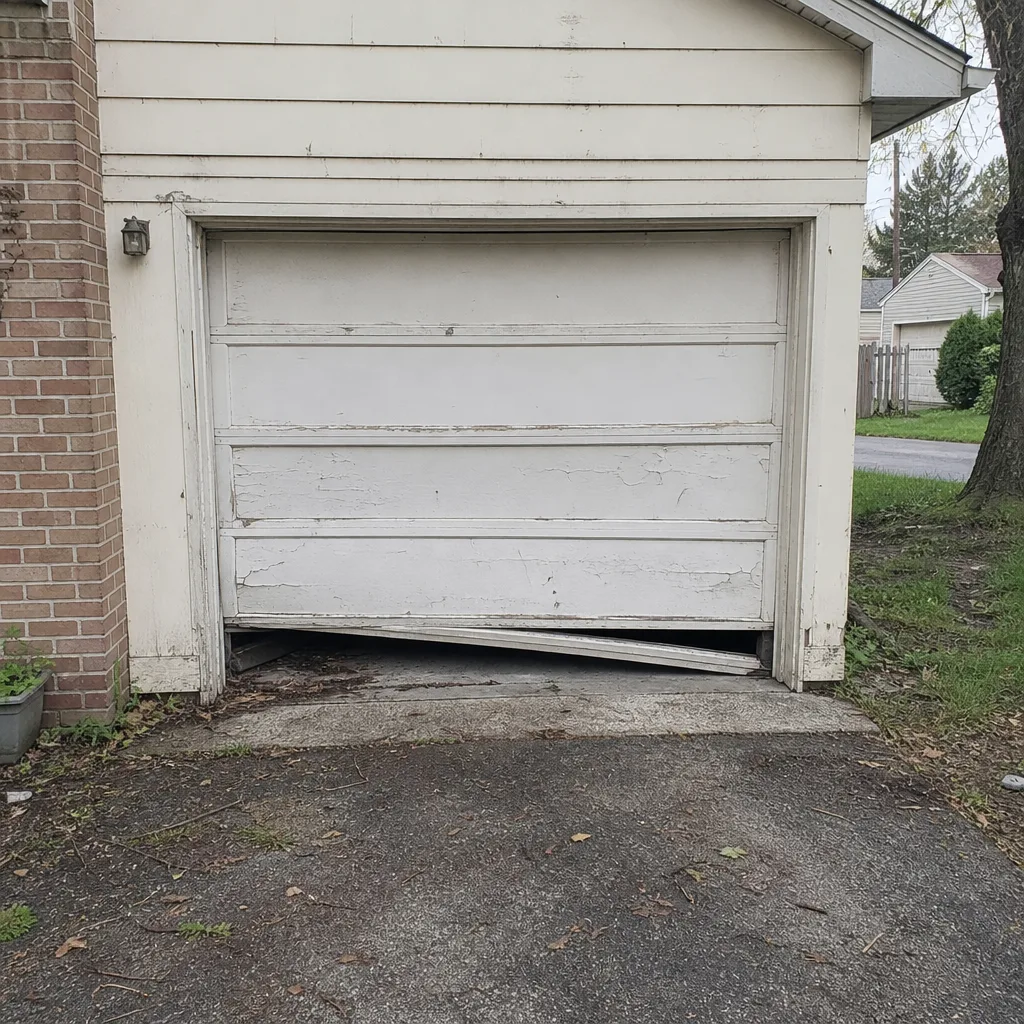 Before
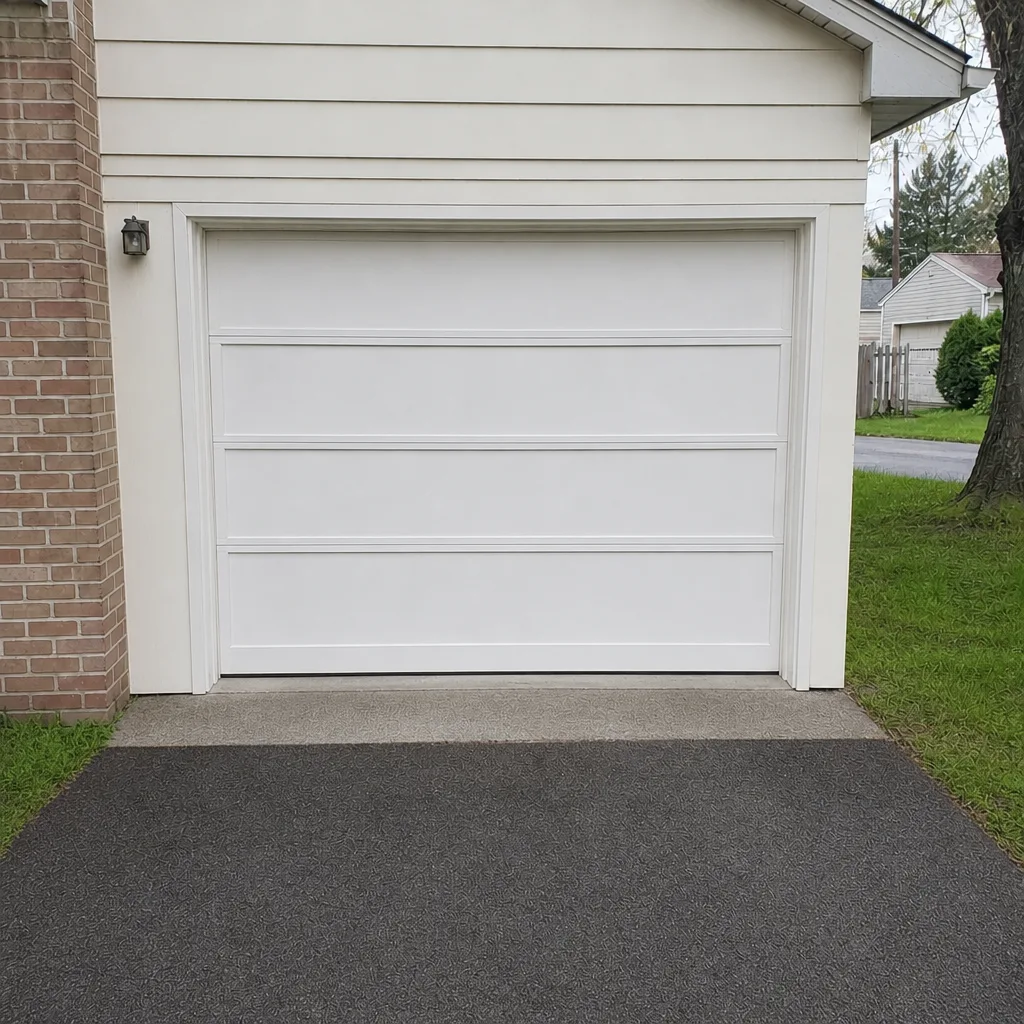 After
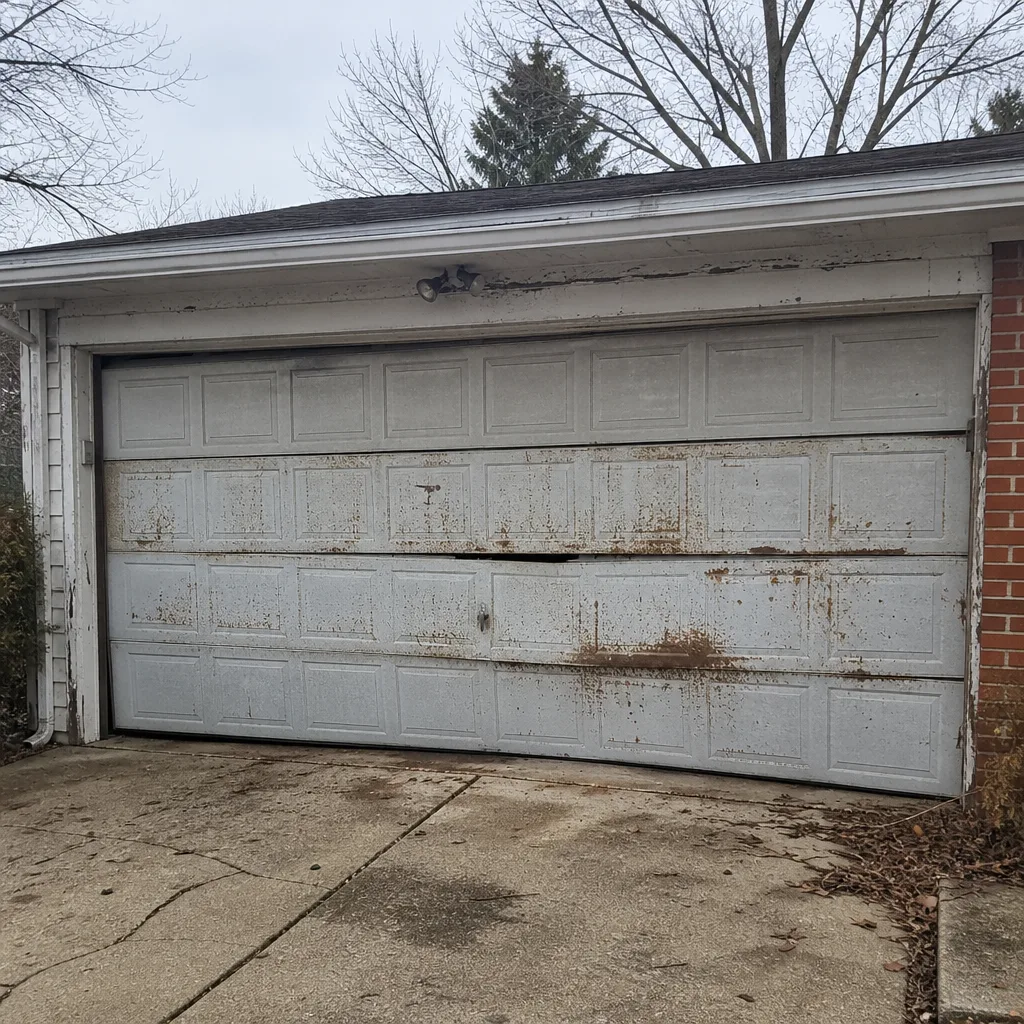 Before
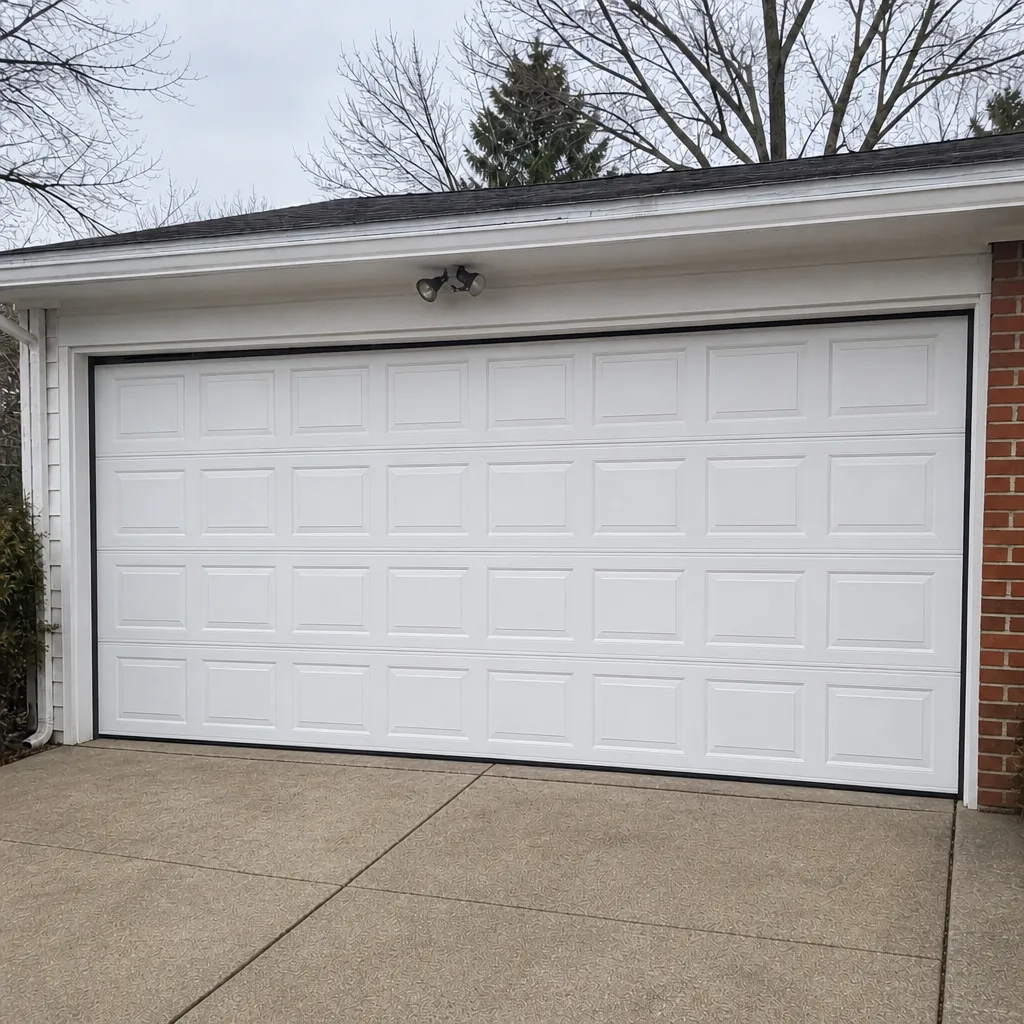 After
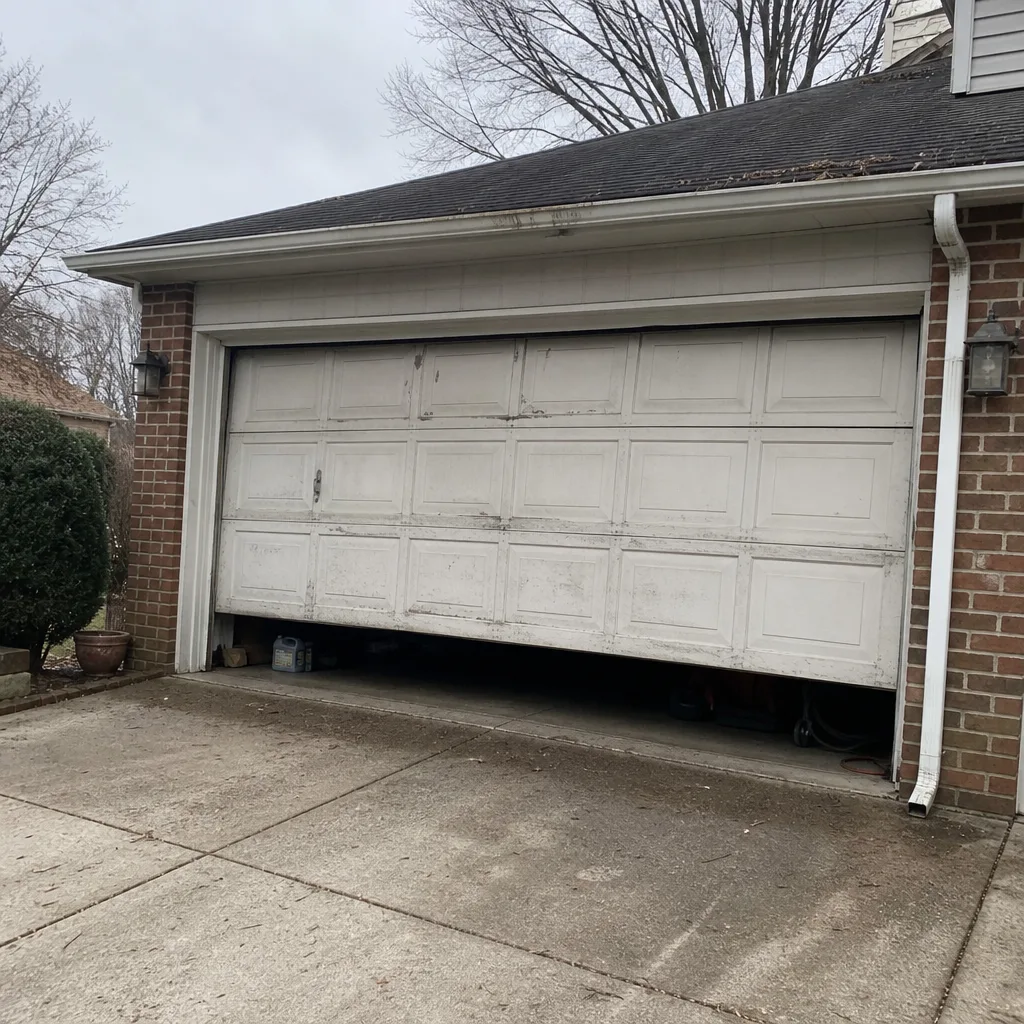 Before
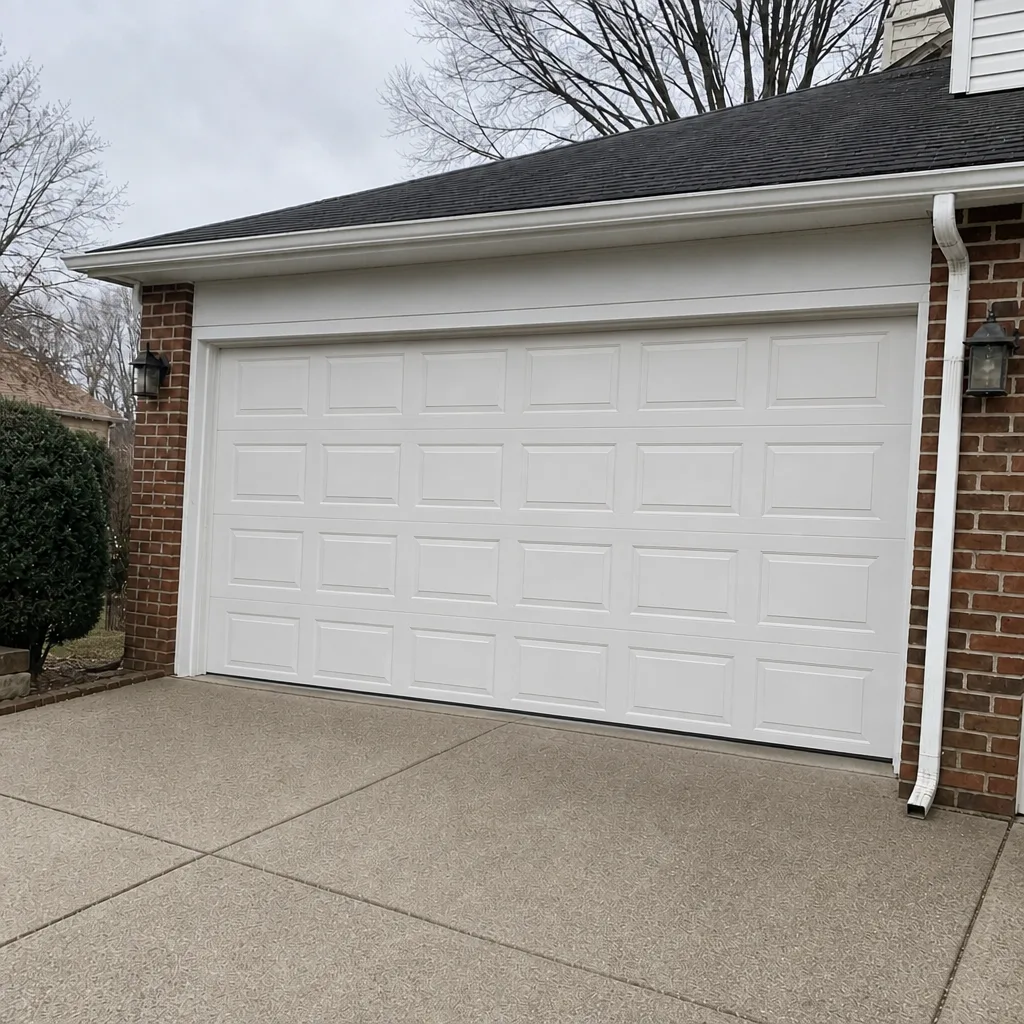 After
Common Mistakes to Avoid
- Choosing a door by looks alone. A door that fits the neighborhood’s aesthetic can still fail from poor insulation or low cycle ratings. Match style to substance.
- Skipping the HOA approval step. Ordering and installing before you have written approval invites a removal notice, and that’s a much more expensive mistake than filling out a form.
- Ignoring cycle ratings on high-use doors. A household that cycles the door a dozen times a day needs springs and hardware rated for it. The cheapest door on the quote often costs the most per year.
- Pairing a heavy door with the wrong opener. Installing a beautiful insulated door with a light-duty opener is how openers die early. Match lifting force to door weight.
- Replacing the door but leaving old springs. A new door with worn springs is a warranty claim waiting to happen. Replace the system as a set.
- Doing spring work yourself. This is the most dangerous mistake in the trade. Springs hold significant energy, and an improper release can cause serious injury. This is not a DIY job, no matter how many videos you watch.
- Accepting a verbal quote. A price that isn’t in writing isn’t a price. Get the estimate before any work begins.
When to Call a Professional
Some garage door problems are obvious and some aren’t. Call a professional when the door won’t open or close at all, when you hear a snap followed by a door that’s suddenly heavy, when the springs look broken or stretched, when the opener runs but the door doesn’t move, when the door comes down unevenly or reverses on its own, or when the safety sensors won’t stay aligned. Call too when the door is old enough that the hardware is failing piece by piece, or when you’re planning a replacement and need a written estimate. Rockville Garage Door Repair Pros offers free estimates in Rockville. Call (833) 468-3480. We answer 24/7. Fast dispatch from 7am to 7pm, Sunday through Friday.
Frequently Asked Questions
The cycle rating combined with the insulation R-value, because those two specs determine how long the door lasts in a high-use home and how well it performs on an attached garage in Rockville’s climate. Aesthetics are visible, but they’re not what drives lifespan. Call (833) 468-3480 for an exact quote. Estimates are free.
If you live in a neighborhood with an HOA, yes, and you should get it in writing before you order the door. HOA architectural guidelines can govern color, panel style, window inserts, and material. Skipping this step can result in having to remove a door you just paid to install.
A broken torsion spring usually shows as a loud snap followed by a door that won’t open, while a failed extension spring may show as a visible gap or stretch. If the door suddenly feels much heavier than it did last week, call a technician. Spring work is the most dangerous repair in this trade and shouldn’t be attempted yourself.
In most cases, yes. The local professionals we connect you with work on LiftMaster, Chamberlain, Genie, Clopay, Amarr, Wayne Dalton, Craftsman, and Raynor equipment. That covers most of what’s installed in Rockville homes, both modern smart openers and older mechanical units.
No, once the written estimate is agreed, that’s the price. The quote is set per job before any work starts, and you’ll know the full cost before the technician touches the door.
Yes, for repair work. We answer 24/7, and fast dispatch runs from 7am to 7pm, Sunday through Friday. A call outside dispatch hours is booked into the next opening. New door installation is different: that work is measured, ordered, and scheduled, so expect a free measure and a written price first.
The Bottom Line
The right garage door for a Rockville home isn’t the prettiest option or the cheapest one. It’s the door whose material handles freeze-thaw cycles, whose insulation suits an attached garage, whose cycle rating covers your actual daily use, and whose style clears your HOA before you order it. Spec it as a full system: door, springs, hardware, opener, and seals together, installed by someone who works on your brand and quotes the price in writing. That’s how a door lasts 30 years instead of 10. When you’re ready to move from reading to a real number, call (833) 468-3480 for a free estimate. We answer 24/7. Fast dispatch from 7am to 7pm, Sunday through Friday.
Written by the team at Rockville Garage Door Repair Pros.